
Last updated November 22, 2026
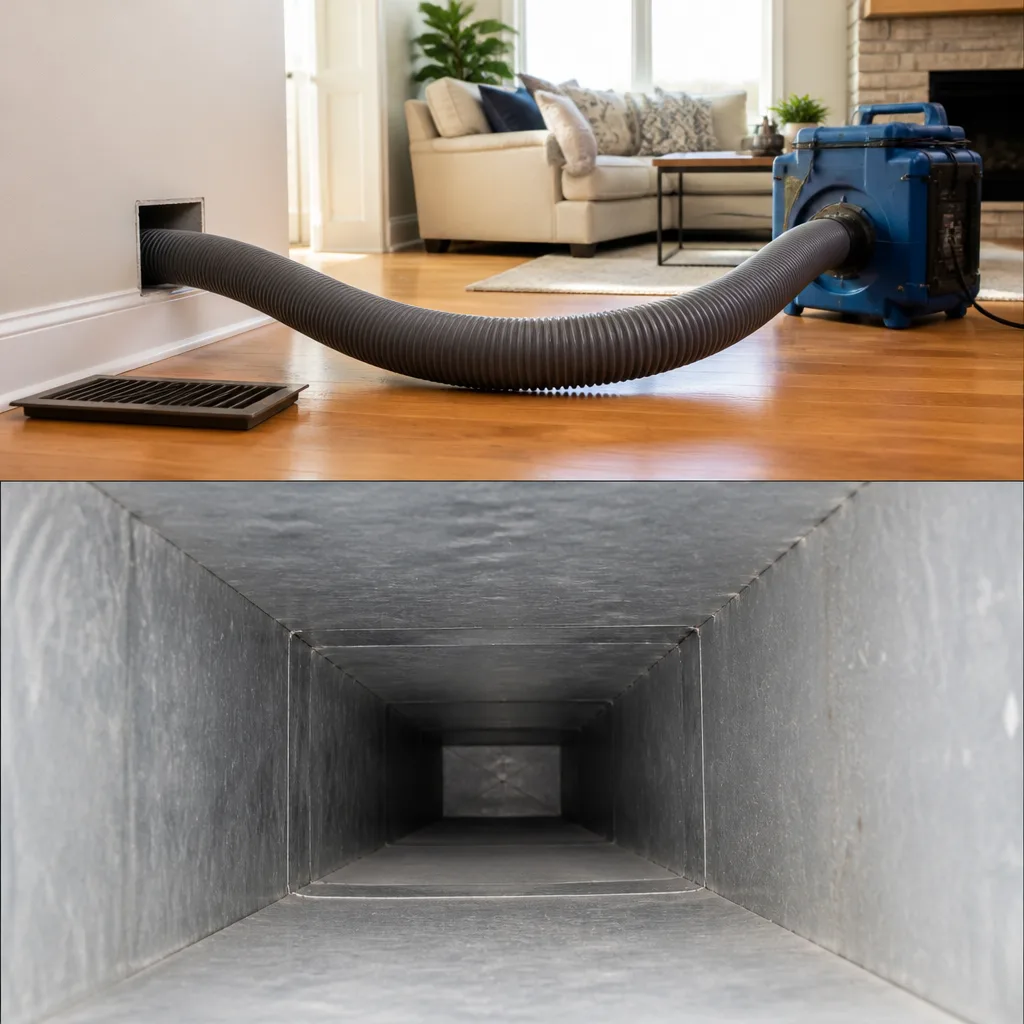 Whole-home duct cleaning
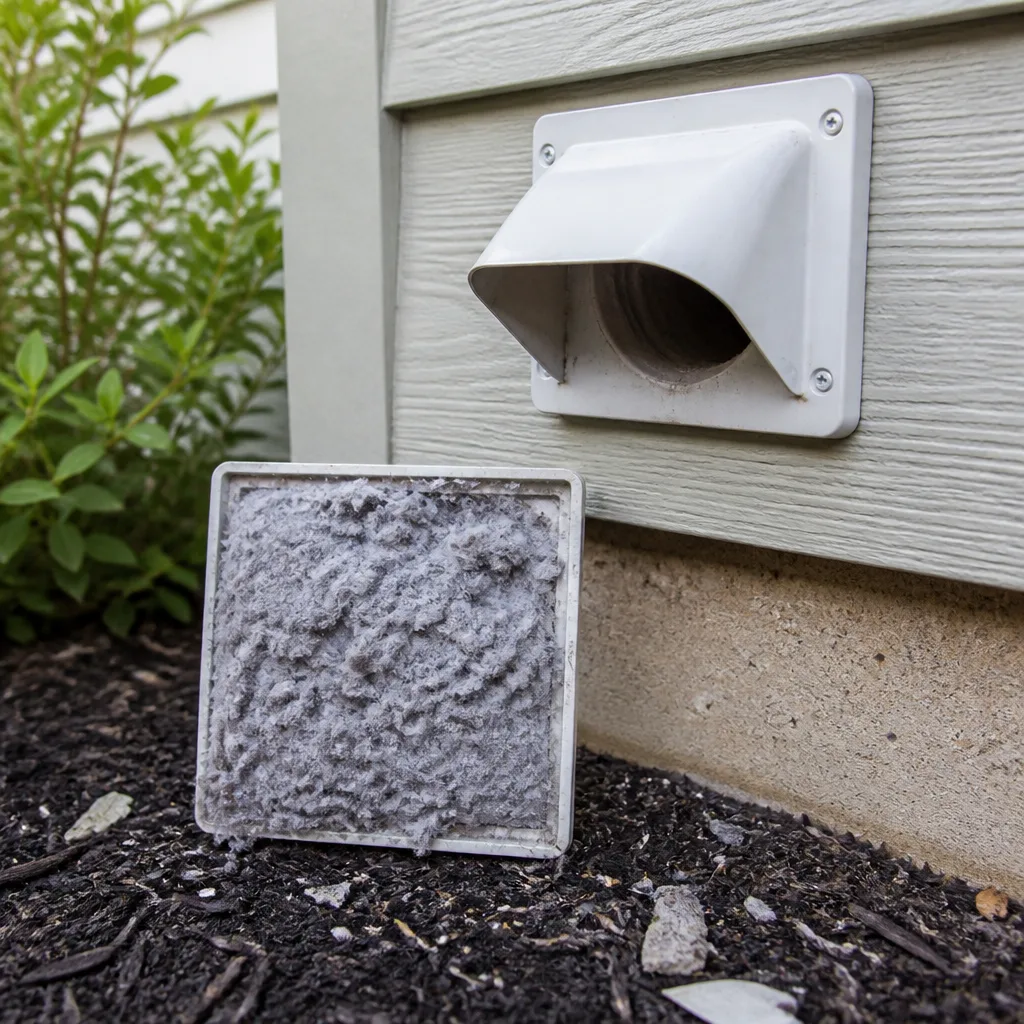 Dryer vent cleaning
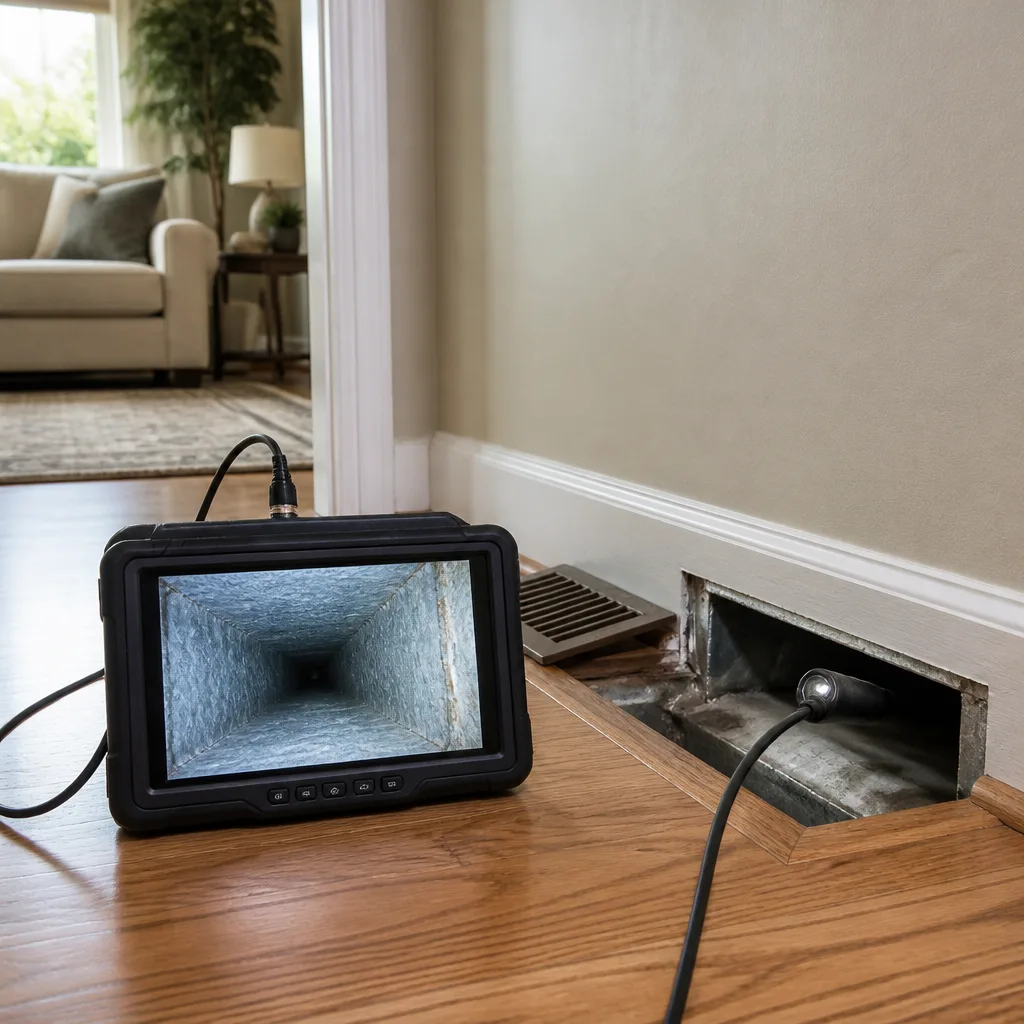 Camera inspection
 Sanitizing & deodorizing
Whole-system duct and dryer vent check with before-and-after photos - you see exactly what came out of your vents
That "$99 whole-house special" is a bait ad - the real number appears once they are in your hallway, or the "clean" is a shop-vac at the register. We photograph the inside of your ducts before and after instead.
Choosing the Right Air Duct Cleaning Brand: A Buyer’s Guide for Capitol Hill
Every duct cleaning company in Capitol Hill claims to use “professional equipment.” Almost none of them can tell you the make, the model, or the CFM rating of the vacuum sitting in their vehicle. That gap between the claim and the answer is the fastest way to separate a real specialist from a generalist who runs a brush through your vents and calls it a day. In this guide, we break down the major categories of professional duct cleaning equipment, explain why brand and capability matter as credibility signals, and give you the exact questions to ask before anyone steps into your home.
Quick Answer
The right air duct cleaning brand for your Capitol Hill home is one that can name its equipment (Rotobrush, Nikro, Abatement Technologies), explain how each tool handles your specific duct type, and show you the HEPA filtration spec on the vacuum exhaust. Equipment brand is a proxy for technical commitment: professional-grade systems carry capital costs that low-margin operators won’t absorb, and that investment shows up in the cleaning outcome. Ask the make, model, and CFM rating before booking, and you’ll filter out the generalists fast.
Styles & brands we work with
- Whole-home duct cleaning
- Dryer vent cleaning
- Camera inspection
- Sanitizing & deodorizing
Table of Contents
- Why Equipment Brand Is the Fastest Credibility Signal
- The Four Categories of Professional Duct Cleaning Equipment
- How Equipment Capability Maps to Capitol Hill’s Duct Types
- Why HEPA Exhaust Filtration Isn’t Optional in Capitol Hill
- What to Ask a Capitol Hill Contractor About Their Setup
- Owning the Equipment vs. Subcontracting: How to Tell
- Clean Ducts Are Only Half the Job: Repair, Sealing, and Sanitizing
- How to Verify a Company’s Equipment Before Booking
Why Equipment Brand Is the Fastest Credibility Signal
Professional duct cleaning is a capital-intensive trade. The equipment a serious operator brings to a Capitol Hill home – a truck-mounted vacuum system, a high-powered portable, contact vacuum tools, and an inspection camera – represents a real investment that a company treating duct cleaning as an add-on to HVAC repair simply won’t make. That’s not a knock on HVAC generalists. It’s a recognition that their business model doesn’t depend on duct cleaning outcomes, so their equipment doesn’t either.
When a company can name Rotobrush and Nikro as the systems they operate, they’re telling you they bought into the discipline. Rotobrush is purpose-built for residential duct cleaning, and Nikro manufactures commercial-grade vacuum and filtration equipment used across the restoration industry. When a company brings Abatement Technologies filtration into a home, they’re operating at a contamination-control standard most residential contractors never reach – the kind of equipment associated with remediation professionals, not a checkbox service.
What the brand signal actually tells you
- Investment commitment: Specialized equipment costs real money, and a company that bought it is committed to the work.
- Process clarity: Companies that run named systems usually understand how each tool works and when to use it.
- Outcome focus: Purpose-built equipment removes more debris from more of the system, not just the surface of the registers.
- Accountability: A company confident enough to name its equipment can be held to that standard afterward.
In our experience across Capitol Hill homes, the equipment question separates operators faster than any credential, license class, or review count. It’s a factual question with a factual answer, and the answer reveals what kind of company you’re actually dealing with.
The Four Categories of Professional Duct Cleaning Equipment
Professional duct cleaning isn’t a single tool. It’s a coordinated system of machines that each handle a different part of the job. Understanding what each category does helps you ask the right questions and understand the answers.
- Truck-mounted vacuum systems: These are the highest-capacity machines in the trade, designed to pull the entire duct system into negative pressure so dislodged debris travels toward the vacuum rather than into your living space. Truck-mounted systems are the standard for serious residential work.
- High-powered portables: When a truck mount isn’t practical or the job needs a second vacuum stage, professional portables like the Nikro line provide the suction and filtration to keep the system under control. These are not shop vacuums with a longer hose.
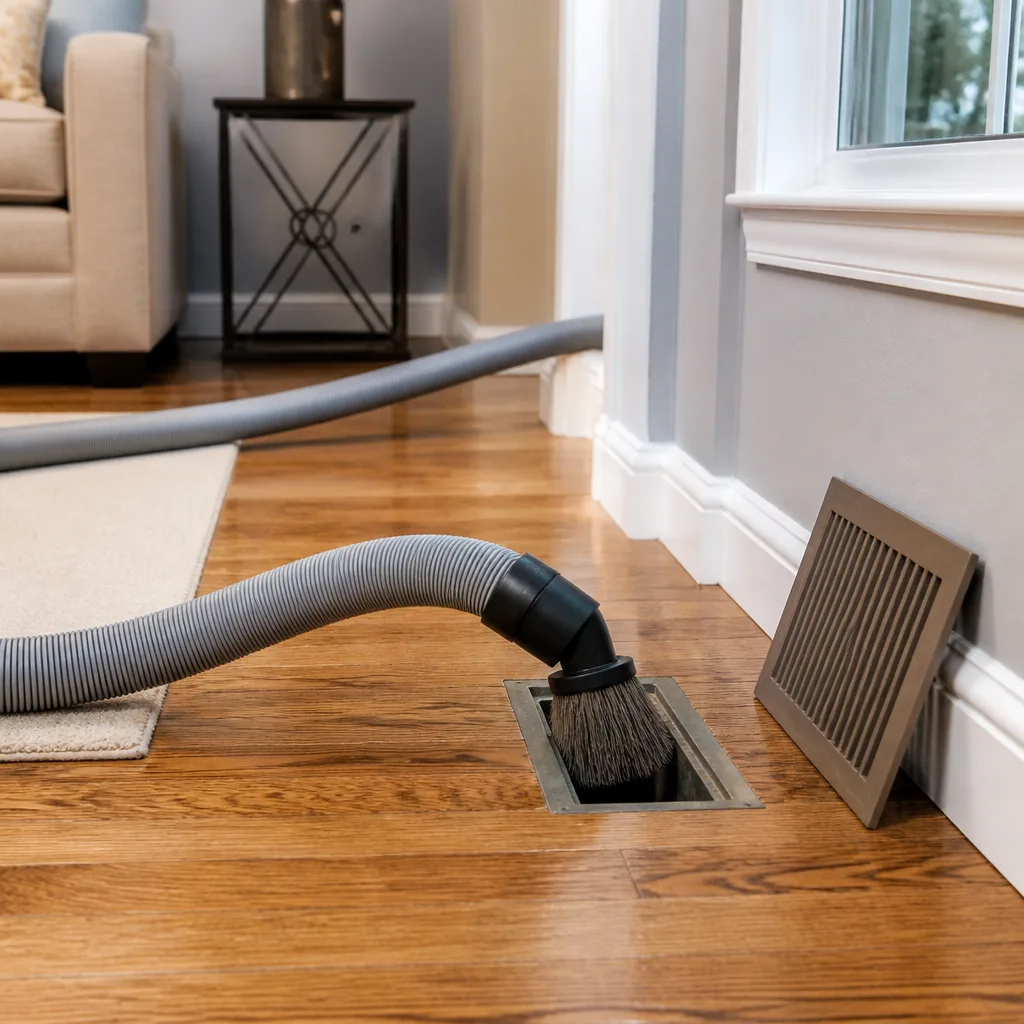
- Contact vacuum tools: Agitation tools – rotary brushes, air whips, and specialized wands – physically dislodge debris from duct walls. Rotobrush systems are purpose-built for this stage of residential work, combining agitation with simultaneous vacuum capture.
- Inspection cameras: A camera pushed into the duct confirms what the cleaning actually reached. Real duct cleaning is verified, not assumed. If a company can’t show you before-and-after footage, they can’t prove the work happened.
Generalist HVAC companies typically bring only one of these categories to a job, usually a portable vacuum and a hand tool. A duct cleaning specialist brings all four, because the job isn’t complete until the whole system has been pressurized, agitated, captured, and verified.
How Equipment Capability Maps to Capitol Hill’s Duct Types
Capitol Hill’s housing stock includes a wide mix of eras and construction types, and that variety matters when you’re choosing equipment. Older homes often have rigid galvanized duct systems with seams, joints, and long runs; newer construction and renovation work frequently uses flexible insulated duct that’s more delicate and less tolerant of aggressive tools. A company that only owns one type of tool will either damage flex duct or under-clean galvanized systems.
Here’s how professional equipment handles each:
- Galvanized duct: Contact vacuum tools with appropriate agitation reach into seams and corners where debris accumulates. Truck-mounted negative pressure ensures loose material travels out of the system rather than settling downstream.
- Flexible duct: Softer agitation tools and lower-pressure contact vacuum prevent the liner damage that aggressive brushing causes. A camera confirms the liner is intact after cleaning.
- Transitional systems: Many Capitol Hill homes have mixed duct types – galvanized trunks with flex branches – which is why a capable equipment suite has to reflect both, not one or the other.
When you’re choosing between two bids, ask the company how they adjust their equipment for your duct type. A specialist will have a clear answer. A generalist will usually say “we use the same thing for every job,” which tells you they’re treating the job as a checkbox rather than a system.
Why HEPA Exhaust Filtration Isn’t Optional in Capitol Hill
Duct cleaning stirs up everything in the system. If the vacuum exhaust isn’t HEPA-filtered, some of what gets dislodged ends up in the air you’re breathing during the job – which defeats the purpose entirely. HEPA filtration on the vacuum exhaust captures particles at a sub-micron level, and it’s the difference between cleaning a system and redistributing its contents into your living space.
In a dense residential area like Capitol Hill, this matters more than in a rural setting. Homes here are close together, duct runs often share walls with neighboring units, and outdoor air quality varies block to block. When you’re cleaning the air inside your home, you don’t want to undo the work by exhausting unfiltered air back into the space.
How to verify the filtration spec
- Ask what grade of HEPA filter the vacuum system uses and where it sits in the airflow path.
- Ask whether the machine discharges filtered air inside or outside your living space.
- Ask for the filtration spec in writing before work begins.
- Confirm the company’s system includes exhaust filtration as a standard component, not an upgrade.
Abatement Technologies equipment is a signal here, because that brand is associated with remediation-grade contamination control. A company running Abatement equipment is likely operating at a filtration standard well beyond what a generalist HVAC shop delivers. It’s a small question that separates serious operators quickly.
What to Ask a Capitol Hill Contractor About Their Setup
The questions below filter out generalists before you book. Each one has a specific answer a real specialist can provide, and vague answers from a generalist reveal themselves immediately.
- “What make and model of vacuum system are you running?” Rotobrush, Nikro, and other named systems are acceptable answers. “A commercial vacuum” is not.
- “What CFM rating does your system hit?” A specialist knows their airflow number. A generalist guesses.
- “Do you use a truck-mounted system or a portable?” Either is fine on its own, but a specialist can tell you when they choose each and why.
- “What’s the HEPA filtration spec on your exhaust?” A real answer involves a filter grade and a location in the airflow path.
- “Will you use an inspection camera before and after?” Yes, with before-and-after photos you can see.
- “How do your tools differ for galvanized versus flex duct?” A specialist adjusts tooling to the duct type. A generalist runs the same tool everywhere.
- “Do you own this equipment or subcontract it?” The answer to this one matters (see the next section).
You don’t need to memorize all seven. Two or three of them – the vacuum make and model, the CFM, and the HEPA spec – will tell you almost everything you need to know before you spend a dollar.
Owning the Equipment vs. Subcontracting: How to Tell
A surprising number of companies that advertise duct cleaning don’t actually clean ducts. They book the job, then subcontract the work to a third party. That arrangement isn’t inherently dishonest, but it removes your ability to vet the equipment, the crew, or the process before work starts – and it means the company answering your call has no operational knowledge of the job you’re paying for.
Signs a company owns and operates its equipment
- They can describe the equipment specific to your duct type without pausing to check with anyone.
- They can tell you the maintenance schedule on the machine and who performs it.
- Their estimator or scheduling staff can answer technical questions about filtration and CFM.
- They bring the equipment to the estimate in the same vehicle that will run the job.
- Their before-and-after photos show the same camera rig and the same setup included in the estimate.
Signs a company is likely subcontracting
- Every technical question gets routed to “the crew.”
- They can’t tell you what equipment shows up, only that the crew will “handle it.”
- The estimate has wide variation depending on the day or the person quoting it.
- They can’t show you photos of their own equipment.
Owning the equipment isn’t a guarantee of quality, but it’s a necessary starting condition. A company that operates its own Rotobrush systems and Abatement filtration has skin in the game – their reputation is tied to the machine in their vehicle.
Clean Ducts Are Only Half the Job: Repair, Sealing, and Sanitizing
Clean ducts that leak, sag, or reconnect poorly after cleaning will re-contaminate quickly. That’s why the equipment question matters less on its own than it does as part of a complete scope. The brand signal works when the company can also fix what the cleaning reveals.
When a specialist runs a camera through a Capitol Hill home’s ducts, they often find more than debris. Disconnected joints, sagging flex runs, unsealed plenums, and gaps at the air handler are common. Cleaning without addressing those gaps means the system pulls dirty attic or crawlspace air back into the living space, which wastes the cleaning work and drives up energy costs.
What a full-scope brand brings
- Duct repair and sealing: Sealing disconnected joints and reconnecting ducts addresses energy loss at the source, not just the symptom.
- Air sanitizing: Post-cleaning treatment helps extend the clean interval by addressing the biological load that cleaning alone doesn’t remove.
- Air quality hardware: Aprilaire and Honeywell filtration and humidity products bridge the gap between cleaning services and long-term air quality improvement.
- Full indoor air quality suite: Duct cleaning, HVAC cleaning, and dryer vent cleaning from one provider means you don’t have to coordinate multiple contractors.
Built for air quality, not just appearances – that’s the standard. The company that can clean, verify, repair, seal, and sanitize in one visit provides a measurably cleaner system than the company that cleans and leaves. For a broader look at how the full-service proposition works, see our Air Duct Cleaning Capitol Hill overview page.
How to Verify a Company’s Equipment Before Booking
The verification process doesn’t take long, and it protects you from booking the wrong company. Here’s the order that works:
- Ask the equipment question on the first call. Make, model, CFM. If the scheduler can’t answer, ask to be called back by someone who can.
- Ask for the HEPA spec in writing. A legit company will include it in the estimate. A generalist will dodge it.
- Request sample before-and-after photos. Look for consistency – same camera, same lighting, same equipment rig across images.
- Confirm the scope includes repair and sealing if needed. Ask how they handle a disconnected joint found mid-clean.
- Ask who operates the equipment. If it’s a subcontractor, ask for the subcontractor’s equipment spec.
- Read the estimate for per-vent pricing. Per-vent pricing invites surprise add-ons. Ask for a flat price per system agreed before work starts.
The best companies make this easy because the answers are already part of how they work. When we quote a job, the equipment spec and the filtration standard are part of the estimate – not something the customer has to drag out of us. Explore our air duct cleaning process for the full scope breakdown.
Common Mistakes to Avoid
- Accepting “professional equipment” as an answer. It’s not an answer – it’s a marketing line. Ask for the make and model.
- Skipping the HEPA exhaust question. Unfiltered exhaust defeats the job. Ask the filtration spec before anyone walks in.
- Booking on price alone. A low bid usually maps to undersized equipment or a subcontractor who shows up with a shop vacuum. The price is a signal.
- Forgetting to ask about duct type. Capitol Hill homes vary widely between galvanized and flex duct; a company that runs one tool everywhere will either damage your duct or miss debris.
- Not asking for before-and-after photos. You can’t verify a job you didn’t watch. Photos of your own ducts close that gap.
- Ignoring the repair and sealing conversation. Clean ducts that leak will re-contaminate in a few months. Ask how the company handles disconnected joints before work starts.
- Assuming the company showing up owns the equipment. Subcontracting is common. Ask who operates the machine that will be used in your home.
See the difference
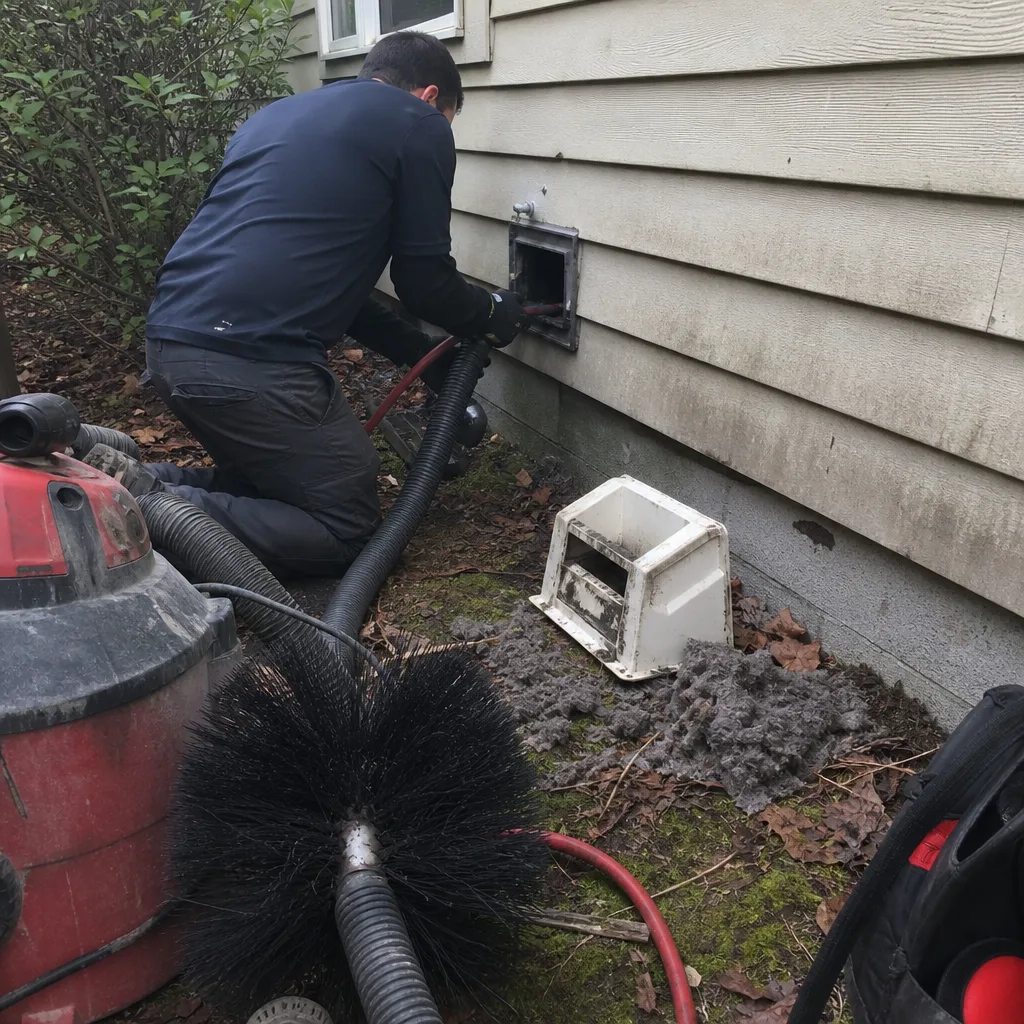 Before
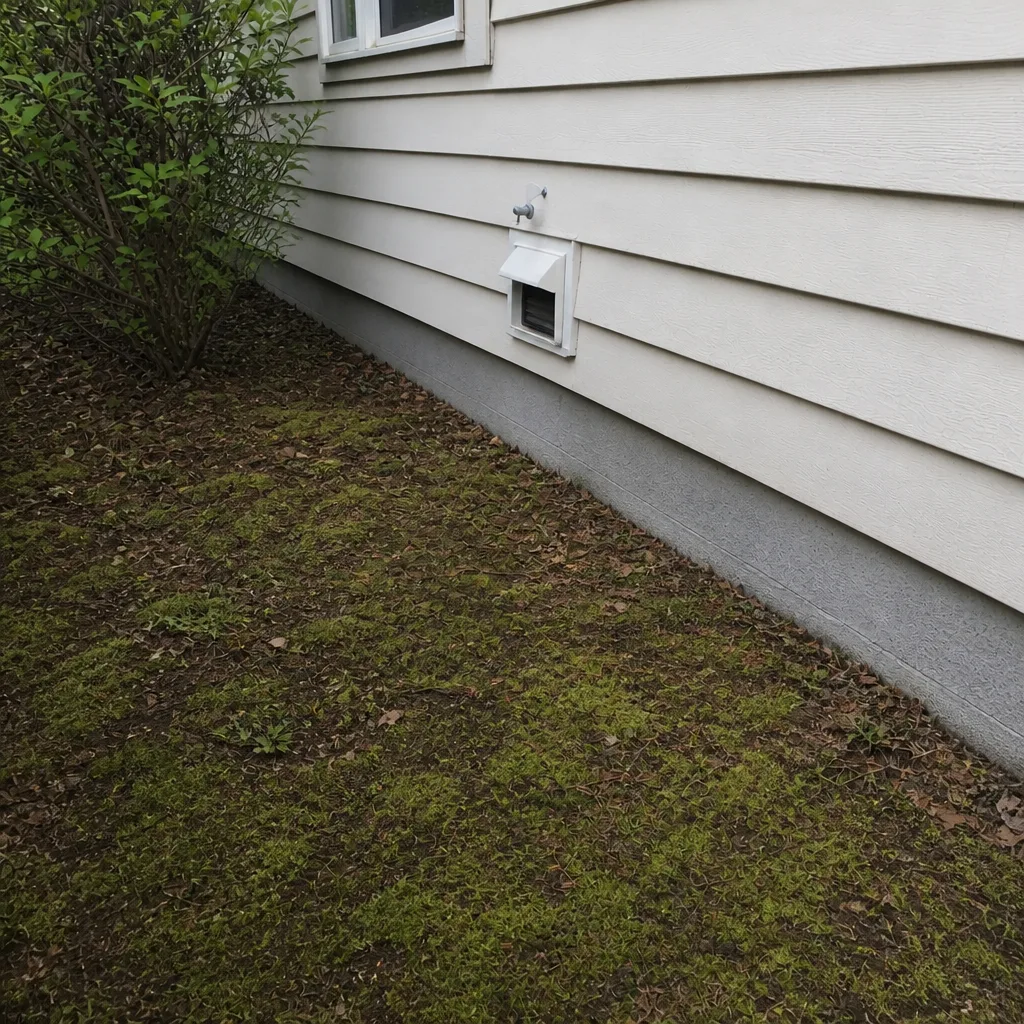 After
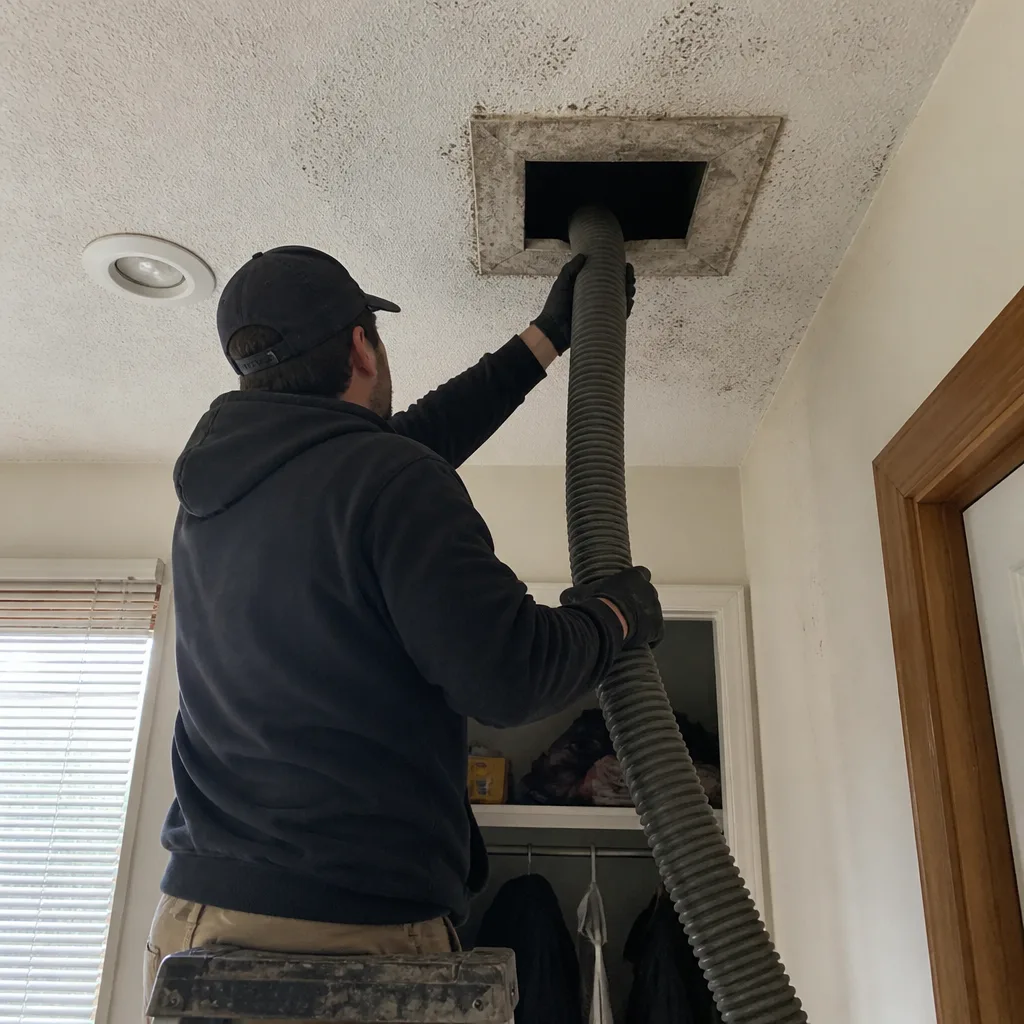 Before
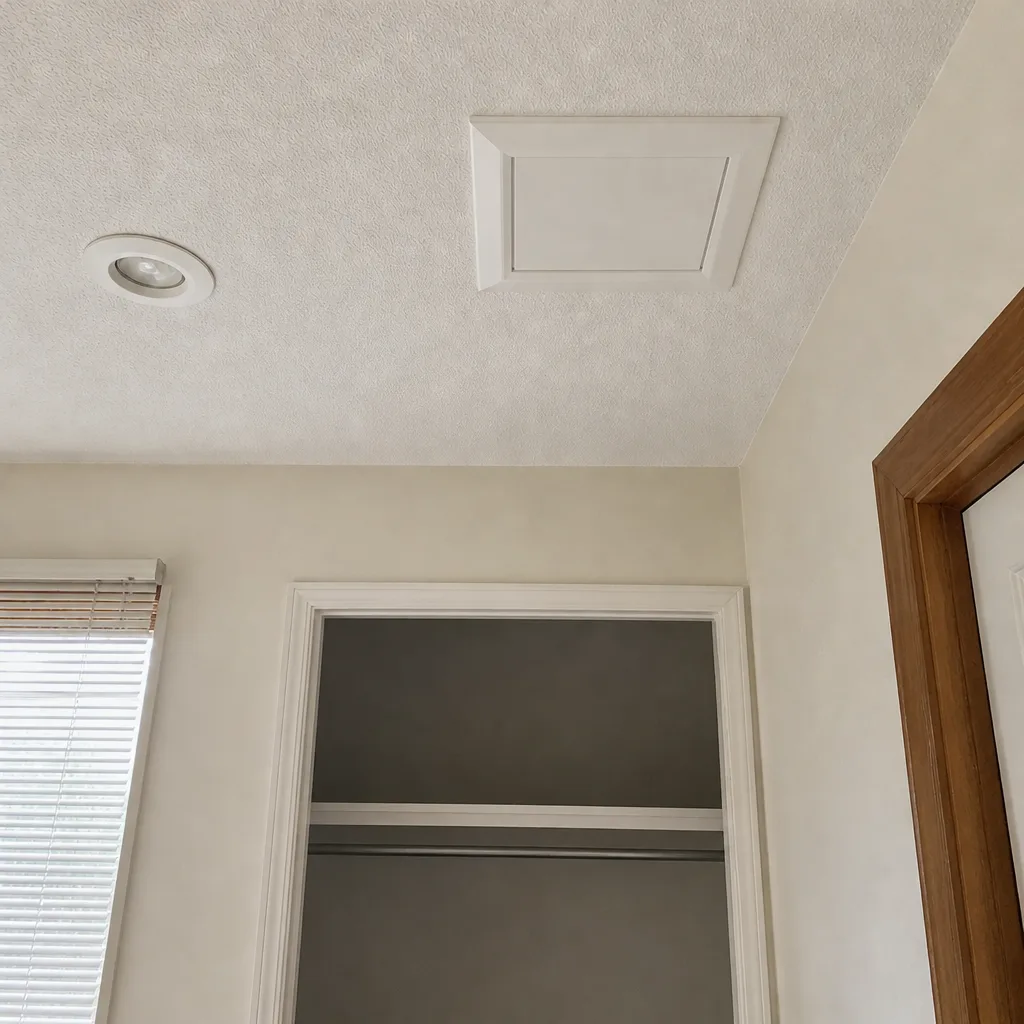 After
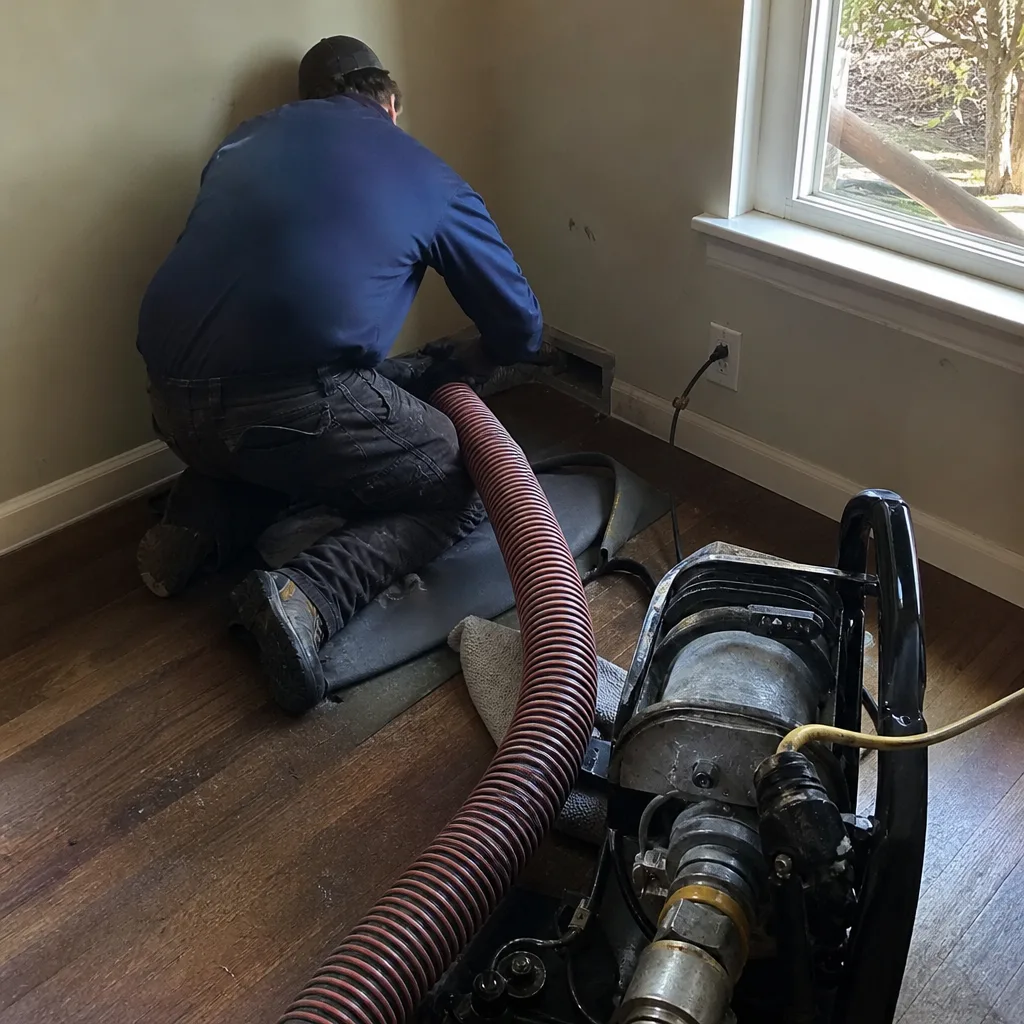 Before
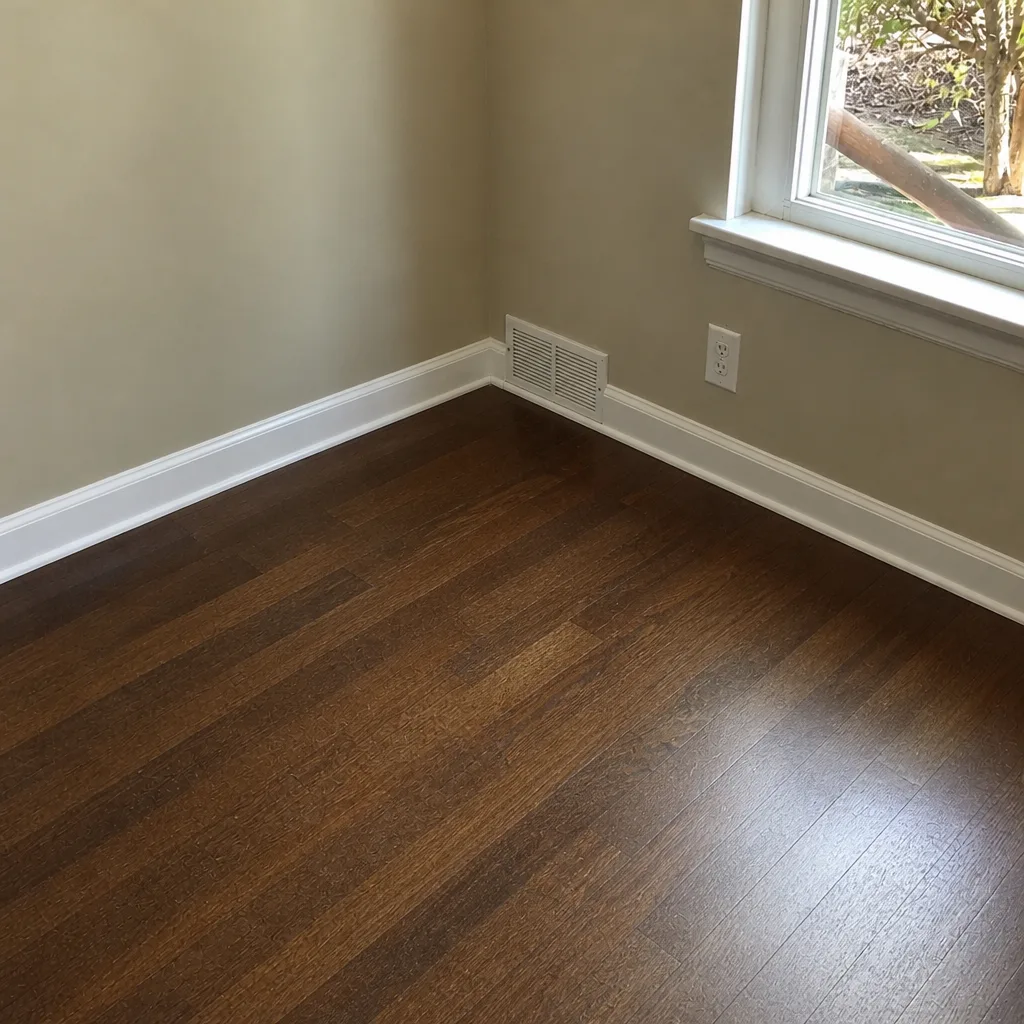 After
When to Call a Professional
If you’re seeing visible dust on the registers within days of cleaning, smelling mustiness when the system kicks on, or noticing allergy symptoms that peak when the HVAC runs, those are indicators the problem is in the system itself – not just the filter. The same goes for high energy bills that don’t line up with your usage, or uneven airflow between rooms that points to disconnected or leaking ducts. These are jobs for a specialist with proper equipment, not a general HVAC appointment.
If you’re unsure, call and ask the equipment question. It’s a fast, free way to learn whether the company you’re talking to can actually do the work. Air Duct Cleaning Capitol Hill offers free estimates in Capitol Hill – call (855) 970-9419. Our technicians have up to 13 years of experience with professional-grade Rotobrush and Nikro systems.
Frequently Asked Questions
Rotobrush, Nikro, and Abatement Technologies are the professional-grade names worth asking about. Rotobrush systems are purpose-built for residential duct cleaning, Nikro manufactures commercial vacuum and filtration equipment, and Abatement Technologies brings remediation-class filtration to the job. When a Capitol Hill company can name these brands, they’ve invested in the discipline. Call (855) 970-9419 for an exact quote – estimates are free.
Air duct cleaning typically runs in the $300-$700 range for a whole-home system, with higher figures for larger homes or systems that need repair and sealing alongside cleaning. The exact price depends on square footage, duct type, and system condition. Any company quoting per-vent pricing is inviting add-ons once the technician is on site – ask for a flat price per system agreed before work starts. Call (855) 970-9419 for an exact quote.
Low quotes usually reflect low equipment. A shop vacuum and a hand brush cost a fraction of a Rotobrush system and Abatement filtration setup, and the difference in outcome is often twelve to eighteen months of visible dust. A company charging $79 doesn’t own the equipment needed to clean a whole system properly. The price is telling you something. Call (855) 970-9419 to compare a real estimate.
Before-and-after photos of your own ducts, taken with an inspection camera, are the answer. A specialist shows you the camera footage at the start and again at the end, and the difference is visible. Ask for photos of your system specifically – not stock images. Ask for the equipment spec in writing. Call (855) 970-9419 for a free estimate.
Most Capitol Hill homes do well with HVAC cleaning and duct cleaning every three to five years, but systems with pets, recent renovations, or a history of moisture exposure benefit from a shorter interval. Homes with visible dust buildup or allergy symptoms often need it sooner. An inspection tells you which category you’re in. Call (855) 970-9419 for a free assessment.
Because the cleaning dislodges debris into the air, and unfiltered exhaust puts it right back into your living space. HEPA filters on the vacuum exhaust capture sub-micron particles, which is the difference between cleaning the system and redistributing its contents. In a dense residential area, that difference is worth checking before you book. Ask for the filtration spec in writing. Call (855) 970-9419 for details on our Abatement Technologies filtration setup.
The Bottom Line
Equipment brand is the fastest credibility test in this trade. A company that can tell you the make, model, CFM, and HEPA spec of its vacuum system is telling you something a marketing claim can’t: they’ve invested in the work. Rotobrush, Nikro, and Abatement Technologies are the names worth hearing. Complement that with questions about duct type, repair scope, and before-and-after verification, and a generalist won’t survive the conversation. Call (855) 970-9419. We answer 24/7. Fast dispatch from 7am to 7pm, Sunday through Friday. Free estimates.
Written by the team at Air Duct Cleaning Capitol Hill.