
Last updated November 22, 2026
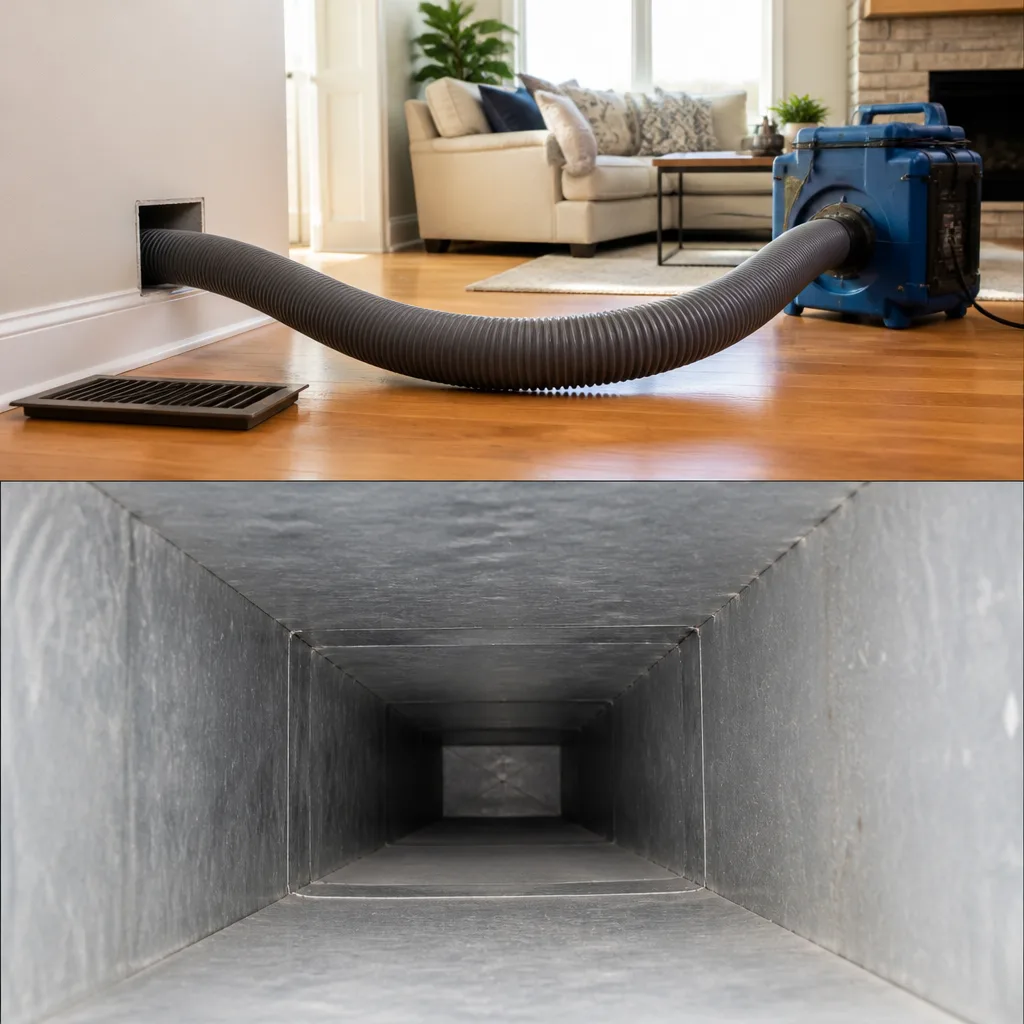 Whole-home duct cleaning
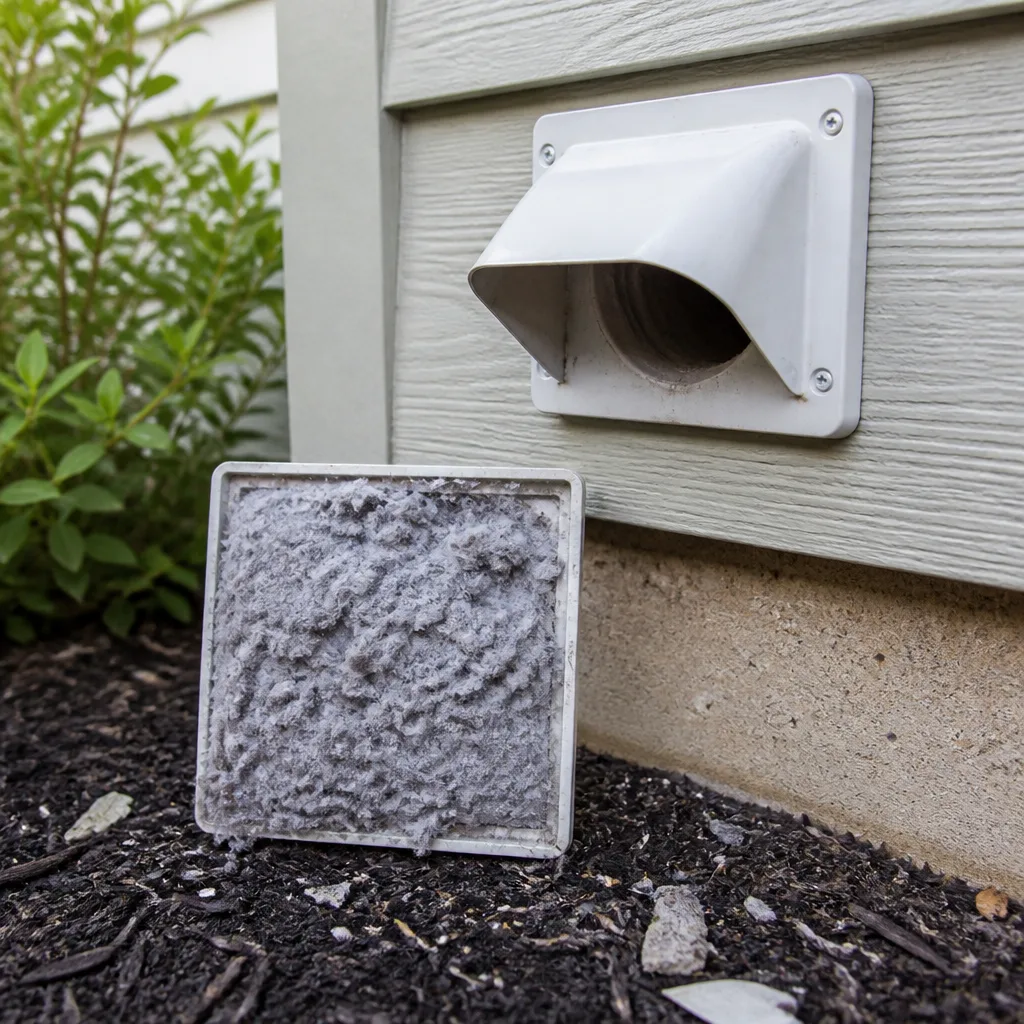 Dryer vent cleaning
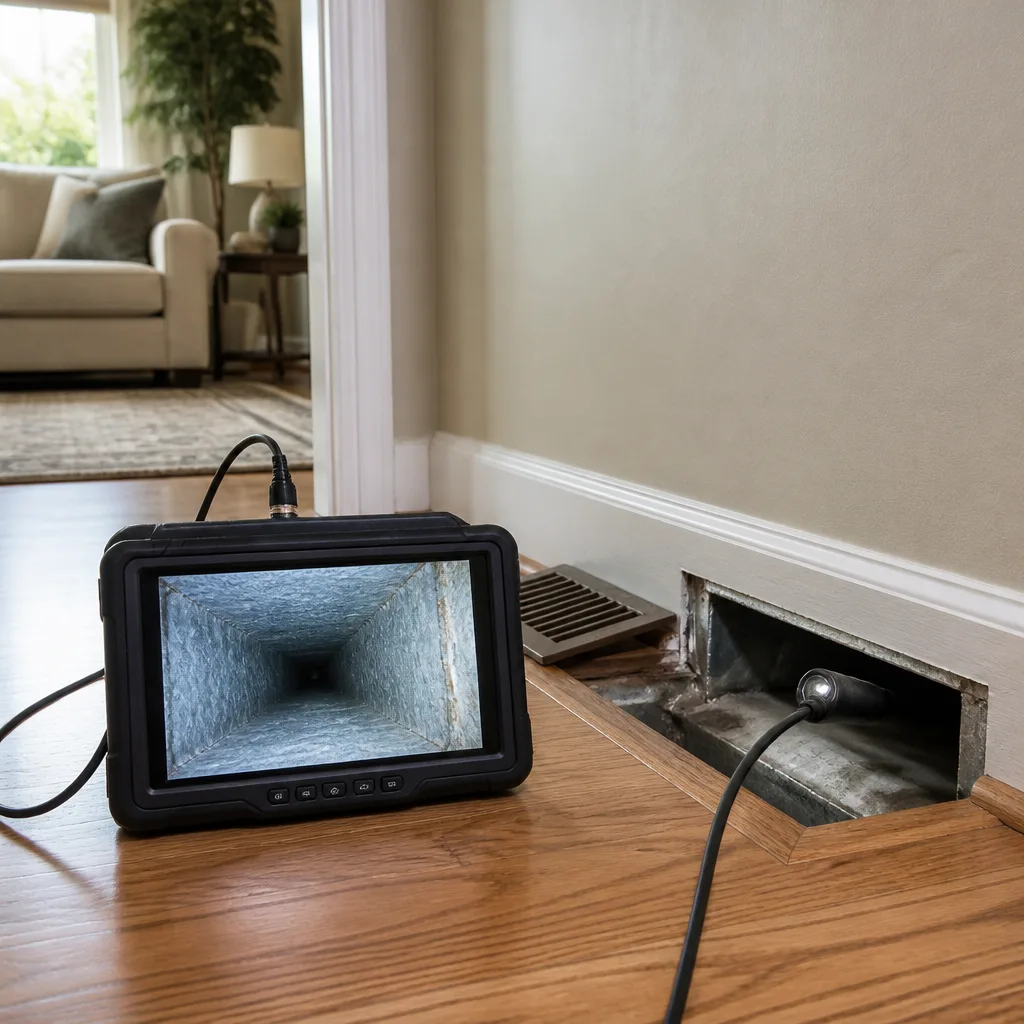 Camera inspection
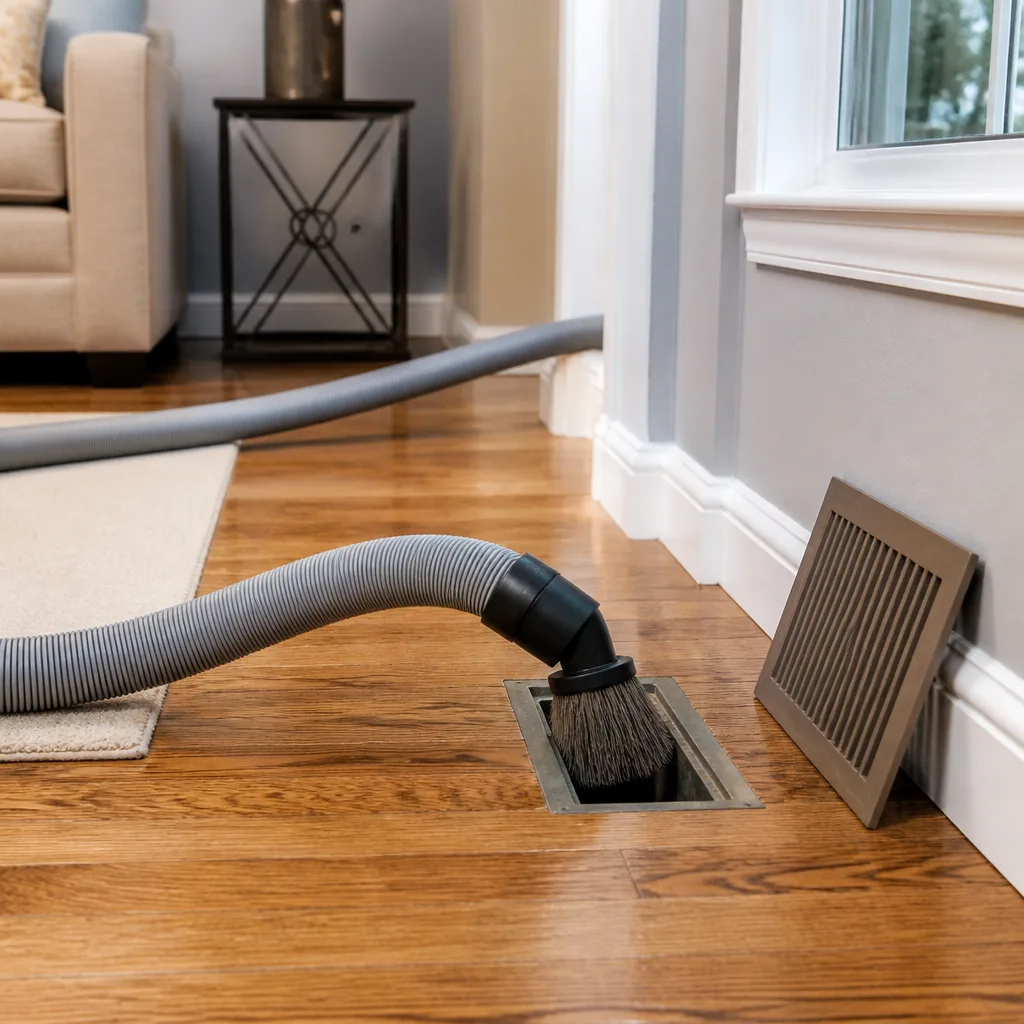 Sanitizing & deodorizing
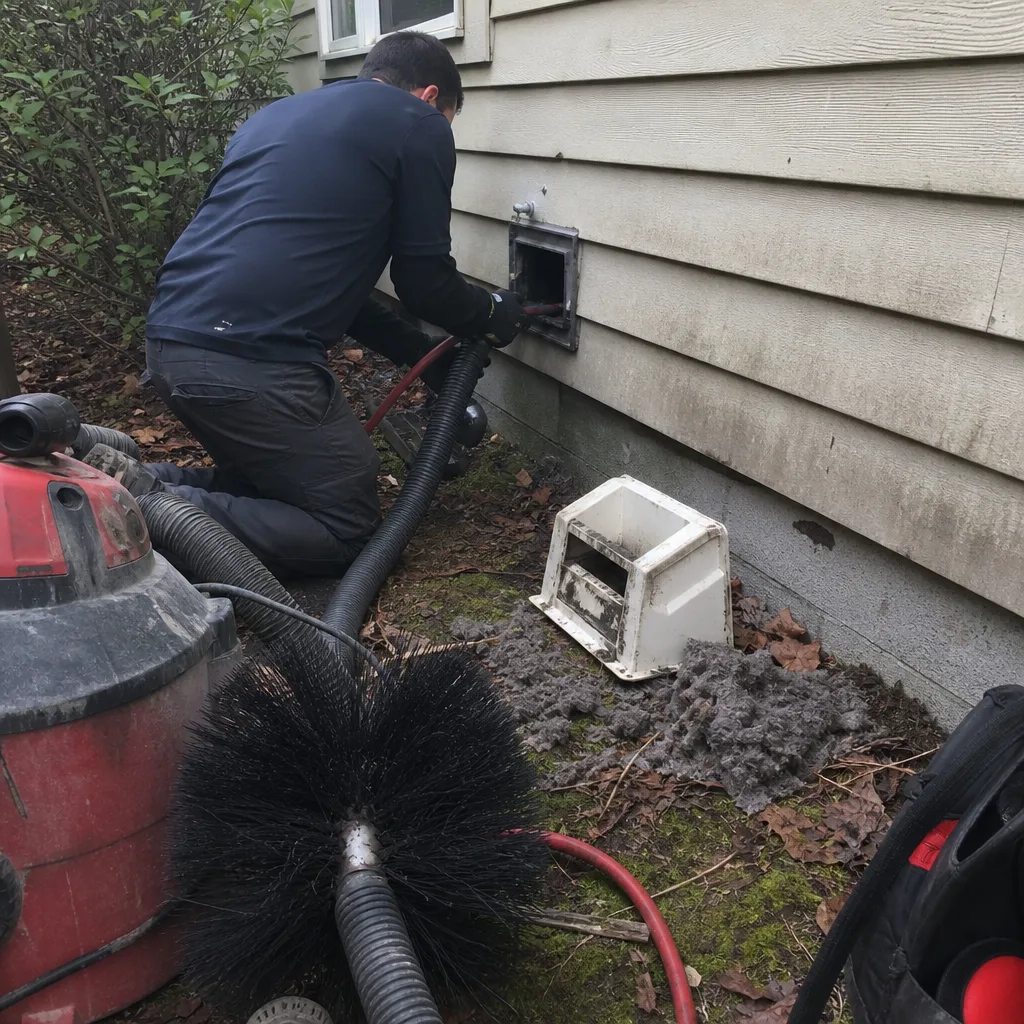
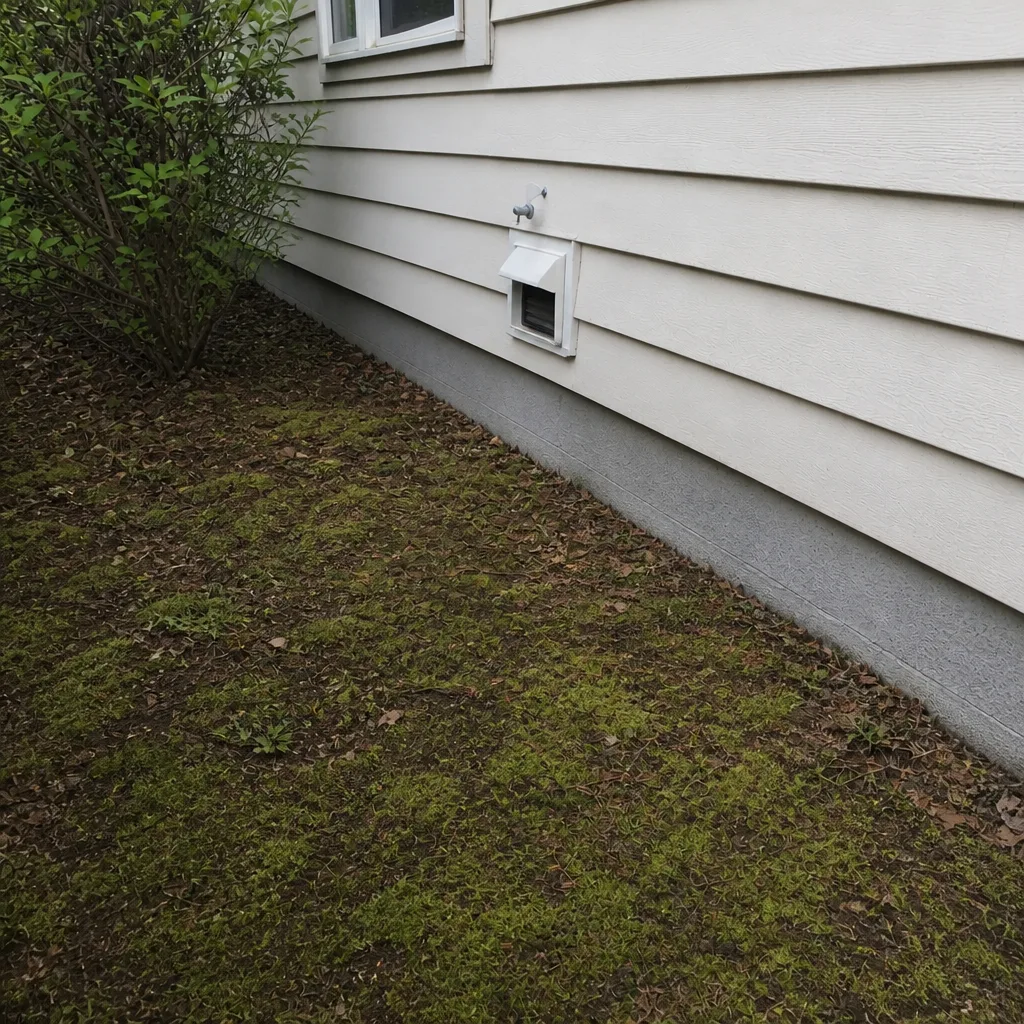
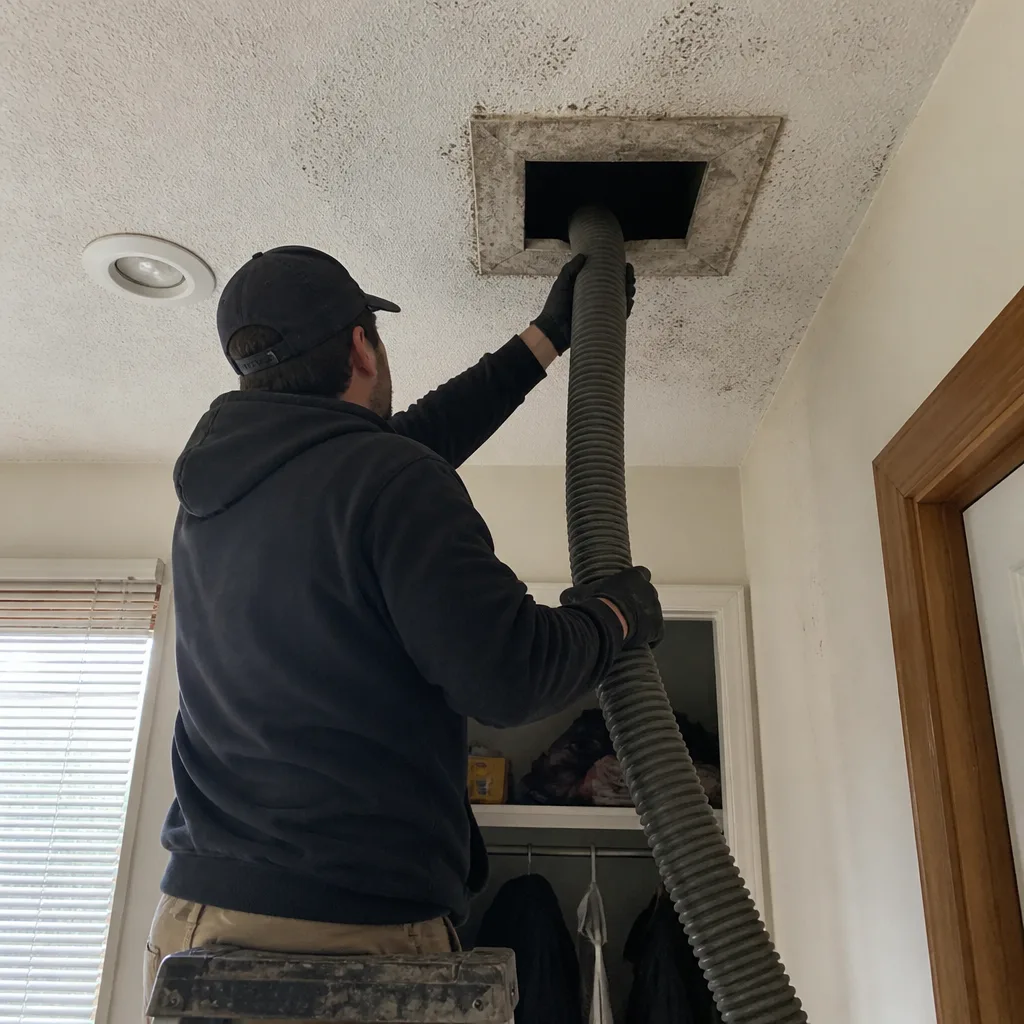
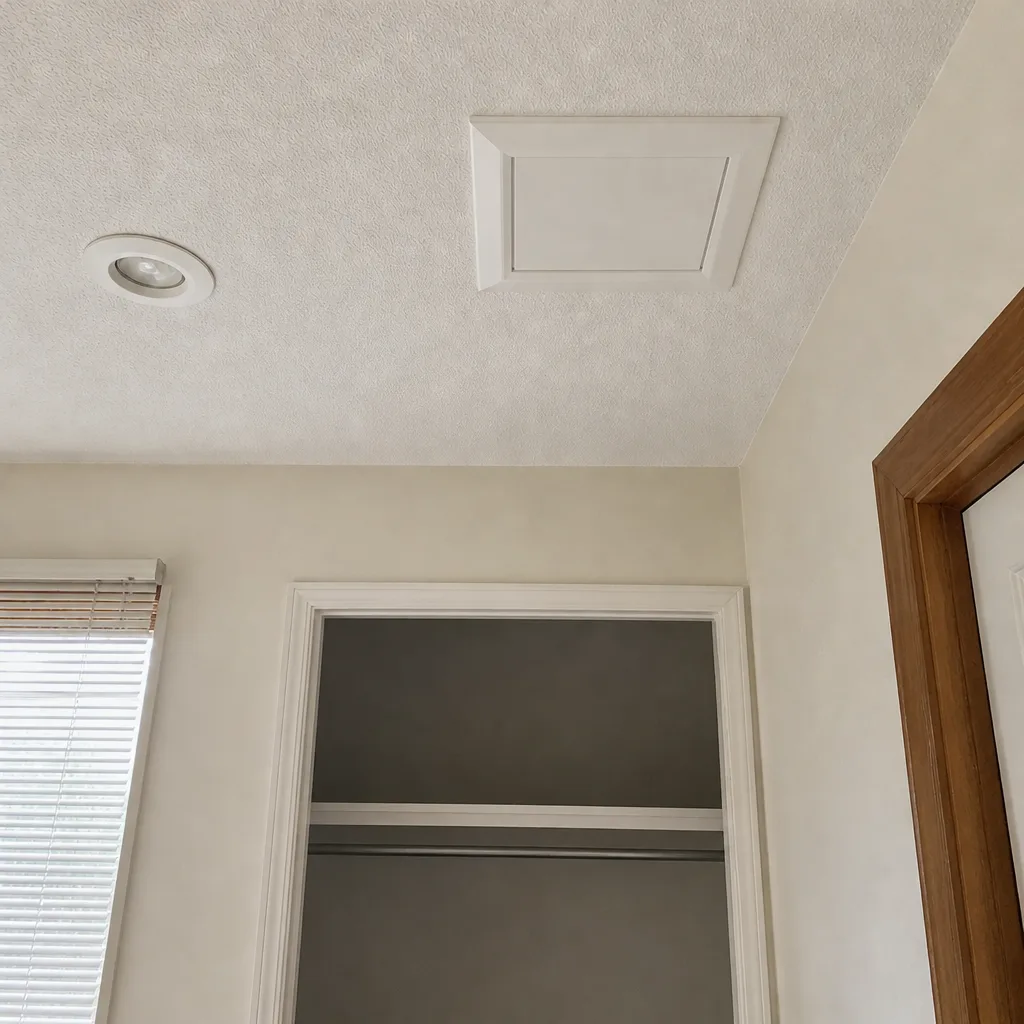
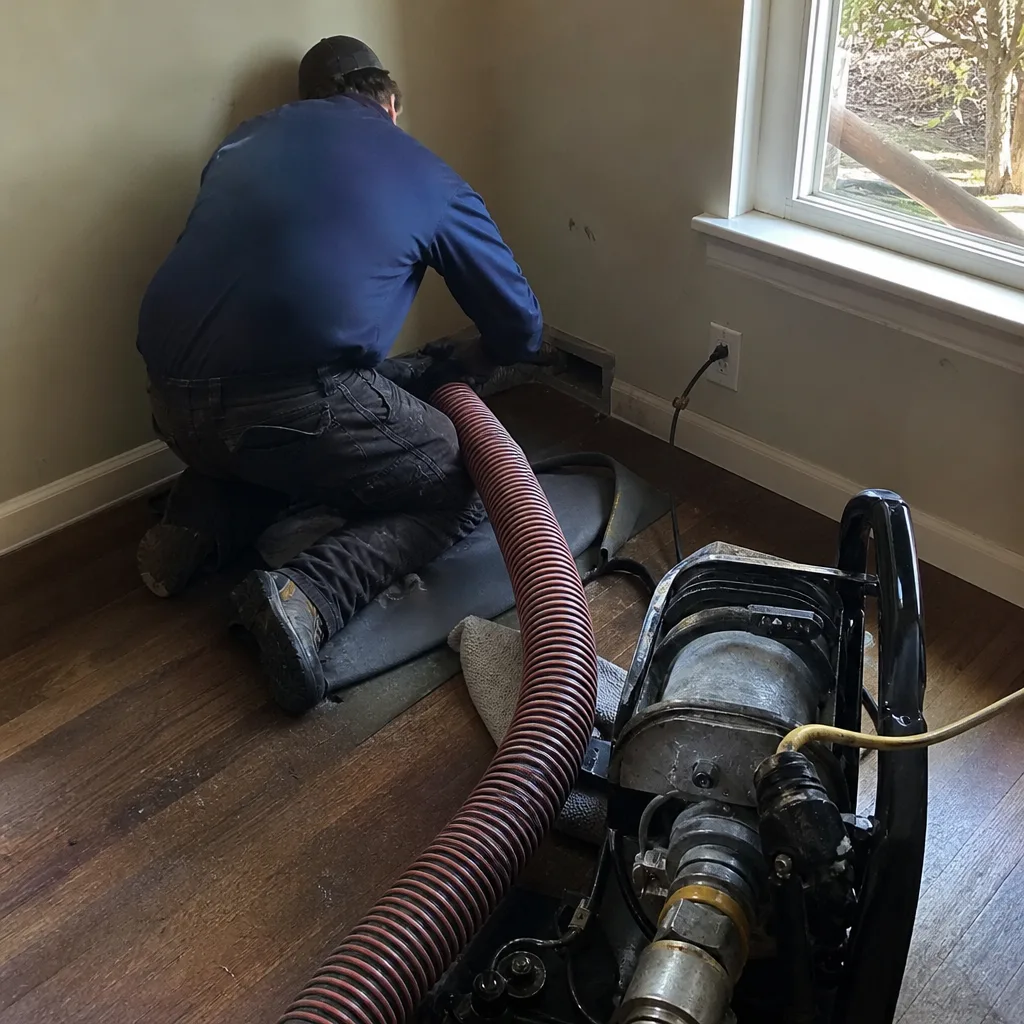
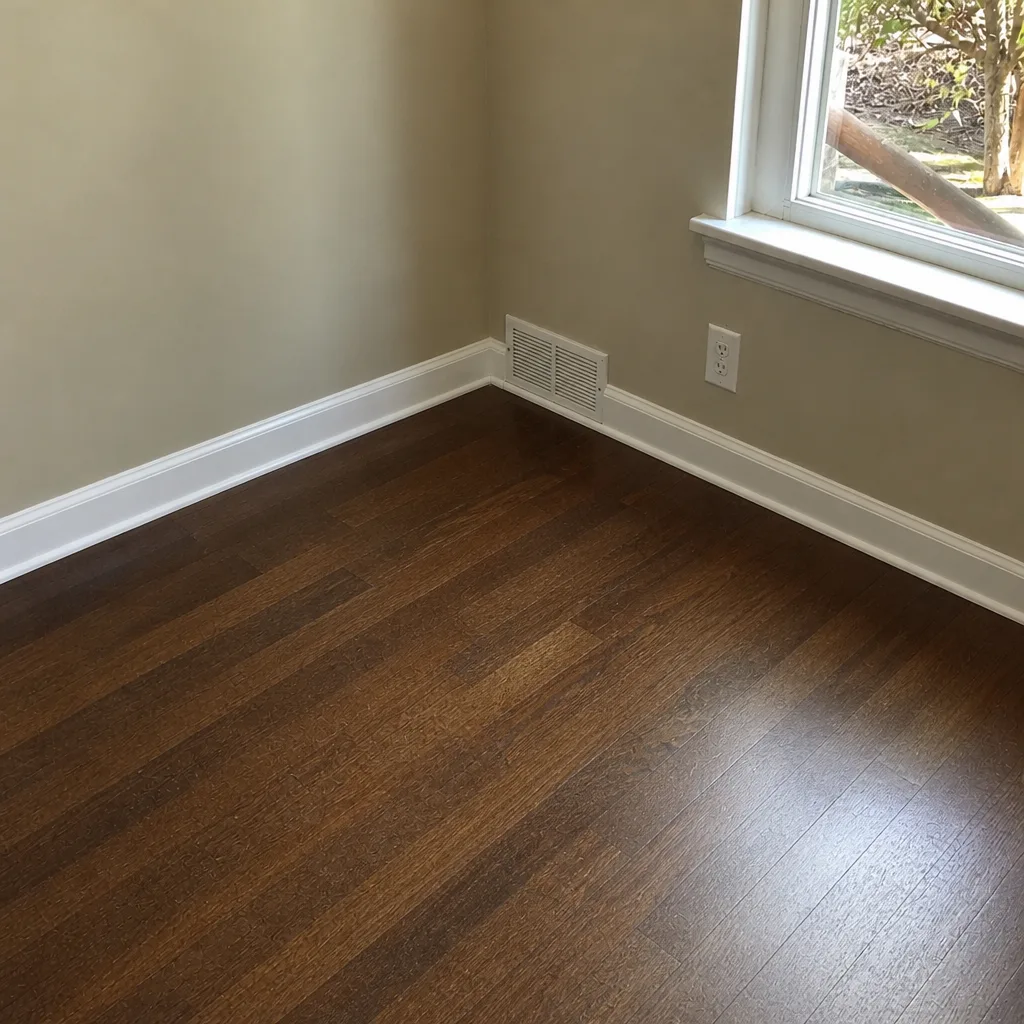
Whole-system duct and dryer vent check with before-and-after photos - you see exactly what came out of your vents
That "$99 whole-house special" is a bait ad - the real number appears once they are in your hallway, or the "clean" is a shop-vac at the register. We photograph the inside of your ducts before and after instead.
How to Hire an Air Duct Cleaning Contractor in Capitol Hill: A Step-by-Step Guide
Most people think a duct cleaning quote is a price. It isn’t. It’s a proposal about equipment, method and scope, and the number at the bottom tells you almost nothing until you know what’s behind it. The gap between a $49 whole-house offer and a legitimate professional job isn’t a discount – it’s the equipment that never shows up, the inspection that never happens, and the negative pressure that’s never measured. This guide walks you through the vetting sequence in the order it should actually happen, so you can tell a specialist from a salesperson before anyone enters your Capitol Hill home.
Styles & brands we work with
- Whole-home duct cleaning
- Dryer vent cleaning
- Camera inspection
- Sanitizing & deodorizing
Quick Answer
To hire an air duct cleaning contractor in Capitol Hill, verify three things before booking: the equipment list (a high-powered vacuum with HEPA filtration, contact tools, and an inspection camera), credential language that names a specific certification rather than vaguely referencing one, and a written scope of work that itemizes what will be cleaned, how it will be accessed, and how the system will be protected during the job. A contractor who can’t answer questions about negative pressure, measured in inches of water column, is a red flag. Ask for those answers on the phone first, then compare quotes on scope, not price.
Table of Contents
- Quick Answer
- Why the Duct Cleaning Industry Has a Scam Problem
- The Five Equipment and Credential Checkpoints
- Verifying NADCA Membership and Certification Language
- The Negative Pressure Question Most Scam Operators Can’t Answer
- Capitol Hill-Specific Red Flags
- How to Structure a Written Scope of Work
- What a Legitimate Job Actually Looks Like
- Common Mistakes to Avoid
- When to Call a Professional
- Frequently Asked Questions
- The Bottom Line
Why the Duct Cleaning Industry Has a Scam Problem
The Federal Trade Commission has formally documented the “$49 whole-house duct cleaning” scam, and homeowners in the Seattle area report it regularly. The pattern is consistent: a low teaser price by phone, a crew that arrives with a shop vacuum and a drill, an on-site “inspection” that finds mold, and a final invoice several times the quoted number. Sometimes the crew punches a few access holes, runs a brush for twenty minutes, and leaves without ever setting up proper containment.
What makes this scam work is that most homeowners can’t tell the difference between a real cleaning and a theatrical one. Both involve a van, some hoses, and a technician in the house. The difference is in what happens inside the ductwork and whether anyone can prove afterward that it happened.
Two structural problems keep the scam alive. First, duct cleaning isn’t a licensed trade in most states the way electrical or plumbing work is, so there’s no single credential the state enforces. Second, the work is invisible – by the time you can see results, the crew is gone. The solution is to move every verification step to before the appointment.
In our experience working on Capitol Hill homes, the callers who’ve already been through a bad job usually describe the same moment: the technician quoted a number, then escalated it once inside. That escalation is the business model. The teaser price doesn’t cover the cost of the visit, so the upsell has to, and the only reliable defense is to vet the contractor before any quote is accepted. Anything less and you’re negotiating from inside your own living room, which is the worst possible place to start.
The Five Equipment and Credential Checkpoints
A legitimate duct cleaning contractor should arrive with specific, verifiable equipment, and the absence of any one item is a disqualifier. This is the single most useful part of the vetting process, because equipment is hard to fake on the phone and impossible to bluff about in person.
- A high-powered vacuum with HEPA filtration. This is either truck-mounted or a portable unit designed for duct work, connected to the system through a contained access point. Vacuum trucks in the commercial marketplace are purpose-built for duct cleaning. A standard shop vac or a big-box household vacuum doesn’t move enough air to pull debris out of a duct run, and without HEPA filtration it can’t hold what it collects. Consumer equipment is a hard disqualifier.
- Contact vacuum tools. These are the wands and brushes designed to agitate and lift debris from the interior walls of the duct while the main vacuum pulls it away. Correct tools are sized for the duct, and a contractor who shows up without them is planning to knock dust loose without capturing it.
- An inspection camera. The camera is how a contractor actually sees what’s inside the duct before and after work. It’s also how you see it. Ask to look at the screen at least once during the job.
- Negative pressure equipment and a way to measure it. The system has to be held under negative pressure during cleaning so debris moves toward the vacuum instead of into the living space. That means sealed access points and a manometer or equivalent gauge. See the next sections for why the measurement matters.
- Containment and filtration equipment. In homes with heavy contamination, mold history, or recent water events, the vacuum setup should include a filtration standard associated with remediation, not just cleaning. This is the difference between a cleaning job and a contamination-control job.
A legitimate specialist typically arrives with professional-grade systems like Rotobrush or Nikro, purpose-built duct cleaning platforms used by commercial contractors, and may also use Abatement Technologies filtration equipment. Those brand names matter because they’re specific. A contractor who answers “we use state-of-the-art equipment” without naming a single manufacturer is telling you something.
For a broader look at how these standards apply to the actual job, see Air Duct Cleaning Capitol Hill, which covers the equipment and method side in more detail.
Verifying NADCA Membership and Certification Language
NADCA stands for the National Air Duct Cleaners Association, and membership is a legitimate credential – but it’s not the same as certification, and the difference matters when you’re reading a website. NADCA offers both an association membership for companies and individual credentials for technicians, usually called ASCS (Air Systems Cleaning Specialist). A company that says “NADCA-certified” without a person named or a scope defined may be using the language as decoration.
To verify membership, do two things:
- Ask the company directly, in writing, whether the crew assigned to your home includes an NADCA-certified technician, and get a name and title back.
- Ask for the company’s NADCA member status. The association maintains a directory you can check yourself.
What NADCA membership actually requires: The association has a code of ethics, a set of written standards for the assessment, cleaning and restoration of HVAC systems (the most cited is ACR, the Assessment, Cleaning and Restoration standard), and continuing education requirements. Membership does not mean the state licenses duct cleaning, because most states don’t. It means the company has voluntarily committed to a standard.
Companies that use NADCA-adjacent language – “NADCA standards,” “NADCA methods,” “NADCA-style cleaning” – are not necessarily members. That phrasing is easy to adopt without joining anything. The question to ask is simple: “Are you a NADCA member, and can you confirm your technician’s certification?” A real member answers in a sentence. A company using the language without the credential tends to give a paragraph.
This matters more in Capitol Hill than in many places, because the older housing stock here draws aggressive quotes from outside contractors who know how to sound credentialed. If you’re comparing quotes, we’d treat the certification answer as a filter before you even discuss price. Our own technicians have up to 13 years of experience, and we can tell you where the limits of that experience run. So can anyone legitimate.
The Negative Pressure Question Most Scam Operators Can’t Answer
Negative pressure is measured in inches of water column, and it’s the single question that separates a real duct cleaning operator from a theatrical one. Here’s why, in plain terms.
When you clean a duct, you’re disturbing settled debris. If the system isn’t held under negative pressure – that is, if the vacuum isn’t pulling air and debris toward a contained collection point – the debris has nowhere to go but out into the room. Anyone who has had a “duct cleaning” done that left visible dust on the furniture the next morning knows exactly what happened: no containment, no negative pressure, no removal.
The measurement is expressed in inches of water column, or in. w.c. A legitimate operator knows approximately how much negative pressure their equipment produces at the access point and how to hold it through the run. Ask the question in plain language:
- “What negative pressure does your setup produce at the access point, and how do you measure it?”
- “How do you seal the system during cleaning?”
- “Do you use a manometer or gauge, and can I see the reading?”
Scam operators typically can’t answer any of those. They may say “we clean the whole system” without mentioning pressure, containment, or measurement. Some don’t know what inches of water column means, which is a fair signal they aren’t running a real duct cleaning setup.
For Capitol Hill homes, this question has a second purpose. Houses here are often older, with ductwork that includes transitions, flex sections, or tight returns that need sealing during a cleaning to hold the negative pressure. A generalist HVAC contractor offering duct cleaning as an add-on often doesn’t have the containment gear to keep that pressure stable. For a full-system view of what HVAC cleaning actually entails, see HVAC cleaning; the equipment standard is higher than a simple brush-through. The tools your HVAC company doesn’t bring are the tools this question is designed to expose.
Capitol Hill-Specific Red Flags
Capitol Hill’s housing mix makes it unusually easy for the wrong contractor to sound right. A lot of the older homes here have ducts that were retrofitted rather than purpose-built, attic and crawlspace systems that vary considerably, and square footages that don’t match the number of registers. A contractor who quotes without asking about any of that is quoting blind.
Red flags that matter most on Capitol Hill:
- Quoting without asking about square footage. A price without the size of the home is a marketing number, not a quote.
- Never asking about duct material. Sheet metal, flex duct, and duct board are cleaned differently, with different tools and different risks to the material. Anyone who doesn’t ask is planning to use one method on all three.
- No question about system age or layout. Older Capitol Hill homes sometimes have ductwork above the living space, in crawlspaces, or in closets, and access strategy is part of the quote.
- No question about why you’re calling. Whether it’s allergies, musty odor, recent remodeling, or high energy bills, the reason should shape the scope. A contractor who doesn’t ask is selling a flat package, not a diagnosis.
- A price that’s lower than every other quote by a wide margin. Every professional job has equipment and labor costs. A heavy discount just means those costs are being recovered later.
- A push to add services on-site. Sanitizing, sealing and repair are legitimate – but they should be itemized and priced in the written scope, not invented in the hallway.
We’ve seen this pattern enough on Capitol Hill to say it plainly: the good contractors ask more questions than the bad ones. A thorough quote takes longer to prepare because it actually reflects your home.
How to Structure a Written Scope of Work
Before any work starts, you should be holding a written scope of work – not a text message, not a verbal agreement, not a business card with a number written on it. The scope is what protects you if the job goes sideways, and it’s what you compare quotes against.
At minimum, the written scope should include:
- Number and location of registers and returns to be cleaned. Each one should be listed. “Whole house” is not a scope.
- Access holes and how they’ll be sealed afterward. A legitimate contractor will cut access holes if needed and seal them when finished. That line item should be on the scope.
- Equipment named. Not “professional equipment” – actual names. Rotobrush, Nikro, Abatement Technologies, Guardsman and similar brands are specific for a reason.
- Containment description. How the system will be held under negative pressure during cleaning.
- Inspection and verification. Whether before-and-after photos will be provided, and whether you can see the camera view during the job.
- Add-on services itemized separately. Sanitizing, sealing, and repair should each have their own price and their own description, so you can decide which you need rather than accepting a bundle.
- Total price, one flat number per system. Not per register, not per vent, not “starting at.” One flat price per system agreed before work starts.
That last point matters given how duct cleaning is often sold. Per-vent pricing has become the standard trick in the scam playbook; it looks cheap in the ad and escalates once the count is on-site. A written scope with one flat price per system removes the upsell surface entirely.
If the ducts need physical repair or sealing – a common finding in older Capitol Hill homes – the scope should say so before cleaning starts, because the repair and the cleaning interact. For what that work involves, see air duct cleaning, which covers the repair-and-sealing service alongside the core cleaning.
What a Legitimate Job Actually Looks Like
The most useful thing you can do during a legitimate duct cleaning is watch. Not because you’re supervising, but because the good contractors don’t mind. The job should follow a recognizable sequence.
- Walk-through and assessment. Before any equipment is set up, the technician walks the home with you, checks registers, and confirms the scope in writing.
- Before photos. If they don’t take them, ask. The before-and-after photos of your own ducts are your evidence of work done.
- Equipment setup and sealing. A vacuum is connected to the system at a designated access point, and the openings are sealed to establish negative pressure.
- Agitation and cleaning. Contact tools agitate debris in each duct run while the vacuum pulls it back. The technician works through registers, returns, and the main trunk lines.
- Inspection camera verification. Before sealing, the technician checks the duct interior visually and shows you what the camera sees.
- Access hole sealing and cleanup. Holes are sealed, equipment comes down, and the work area is cleaned.
- After photos and written report. You should get before-and-after documentation and a scope-completion report – not a verbal “all done.”
The reason we emphasize photos and reports is that duct cleaning is invisible work. Any contractor can claim it happened. The ones who can prove it are the ones worth hiring. This is also why the company-level question matters: a specialist who does this work full-time builds the documentation into the process, while a generalist adding duct cleaning to a menu often doesn’t.
The dryer vent side of the business deserves the same treatment – it’s a standalone safety service and one of the leading causes of residential fires, so the same vetting applies. Details are on our dryer vent cleaning page.
Common Mistakes to Avoid
- Booking from a phone quote alone. A price quoted before anyone asks about square footage, duct material, and system age isn’t a quote – it’s a marketing number. Ask the questions, then move to a written scope.
- Accepting a per-vent price. Per-vent pricing is the classic bait-and-switch structure in this industry. One flat price per system, in writing, before work starts.
- Skipping the equipment list. Ask what brand of vacuum and what filtration standard, and write the answer down. A home shop vac is not a duct cleaning system. Rotobrush, Nikro, and Abatement Technologies are real; “professional-grade” alone is not a brand.
- Letting a contractor quote without asking why you’re calling. Allergies, musty odor, a recent remodeling project, or high energy bills each point to a slightly different scope. A contractor who doesn’t ask can’t answer.
- Not asking about negative pressure. If the setup isn’t holding the system under negative pressure, debris is going into your living space, not out of it. This is the one question that separates real work from theater.
- Accepting a “NADCA-compliant” claim without checking. NADCA membership is verifiable. Companies using NADCA-adjacent language without joining aren’t.
- Letting on-site add-ons creep in. If a technician discovers a mold problem or a damaged duct mid-job, the fix should be itemized and priced in writing – not decided verbally in the hallway. In Capitol Hill’s older homes, duct damage and access issues do come up, so a contractor with a written change-order process is a safer bet.
When to Call a Professional
Some duct conditions are visual: you can see dust streaks around registers, the return grille is dark with build-up, or a musty smell shows up when the heat comes on. Others are felt: increased allergy symptoms that correlate with the system running, noticeably higher energy bills without a rate change, or a system that seems to be pushing less air than it used to. Any of those is a reason to get the system assessed rather than guessed at.
Duct damage and sealing problems are also professional territory. Loose joints, disconnected flex runs, and ducts that have pulled away from a register put your conditioned air into a crawlspace or attic instead of the room. That costs money and it re-contaminates the ducts you just cleaned.
Air Duct Cleaning Capitol Hill offers free estimates in Capitol Hill – call (855) 970-9419. We answer 24/7, with fast dispatch from 7am to 7pm, Sunday through Friday.
Frequently Asked Questions
A legitimate contractor will name specific equipment (Rotobrush, Nikro, or Abatement Technologies, for example), ask you about square footage and duct material before quoting, and provide a written scope of work before any work starts. Scam operators quote flat teaser prices by phone without asking about your home and can’t answer a question about negative pressure. If a contractor can’t do those three things on the call, don’t book them. Call (855) 970-9419 for an exact quote – estimates are free.
A proper quote should include the register and return count, access strategy, equipment names, containment method, inspection and before-and-after documentation, and any add-ons (sanitizing, sealing, repair) itemized separately. The total should be one flat price per system, not per vent. If the quote is a single number on a business card, it isn’t complete enough to compare. Call (855) 970-9419 to talk through a specific scope.
NADCA membership is a legitimate positive signal, but it’s company-level membership, not the same as individual technician certification. Ask the company directly whether the crew assigned to your home includes a certified technician, and verify member status yourself. Companies using “NADCA-compliant” or “NADCA-style” language without joining aren’t the same as members. For a Capitol Hill home, treat it as a filter, not a tiebreaker. Call (855) 970-9419 with questions about credentials.
Low quotes are usually teaser prices that don’t cover the real cost of a job, so the difference gets recovered on-site through add-ons, upsells, or a shortened service that never actually cleans the full system. A proper job involves a high-powered vacuum, containment gear, contact tools, and an inspection camera – real costs. If two quotes differ by hundreds of dollars, ask the cheaper one to name the equipment and confirm negative pressure measurement. Call (855) 970-9419 for a quote you can compare line by line.
Before-and-after photos of your own ducts, an inspection camera view you can see yourself, and a written completion report against the original scope. If a contractor can’t show you what changed, the honest answer is that you don’t know. Build the documentation into the scope of work, and ask during the job. Call (855) 970-9419 for a free estimate that includes the documentation standard.
There’s no fixed number. Consider it based on conditions: pets, recent remodeling, water damage or moisture, visible dust at registers, or allergy symptoms that track with the HVAC running. Homes in Capitol Hill with older ductwork and retrofits sometimes need a sealing review before a cleaning is worth doing. Get an assessment rather than scheduling on a clock. Call (855) 970-9419 for an exact quote.
The Bottom Line
The core of hiring a duct cleaning contractor in Capitol Hill is moving your verification steps to before the appointment, while you still have leverage. Confirm the equipment by brand, ask the negative pressure question, verify NADCA membership directly, and insist on a written scope of work with one flat price per system. Those four checks don’t guarantee a great job, but they filter out almost every scam operator before anyone’s in your living room. The contractors who pass are the ones who ask you more questions than you ask them. And the ones who can prove the work with photos and a report are the ones worth calling back.
Ready to compare a real scope? Call (855) 970-9419. We answer 24/7. Fast dispatch from 7am to 7pm, Sunday through Friday. Estimates are free, and we’ll walk you through the equipment and the plan before anything gets scheduled.
Written by the team at Air Duct Cleaning Capitol Hill.
See the difference
 Before
 After
 Before
 After
 Before
 After