
Last updated November 22, 2026
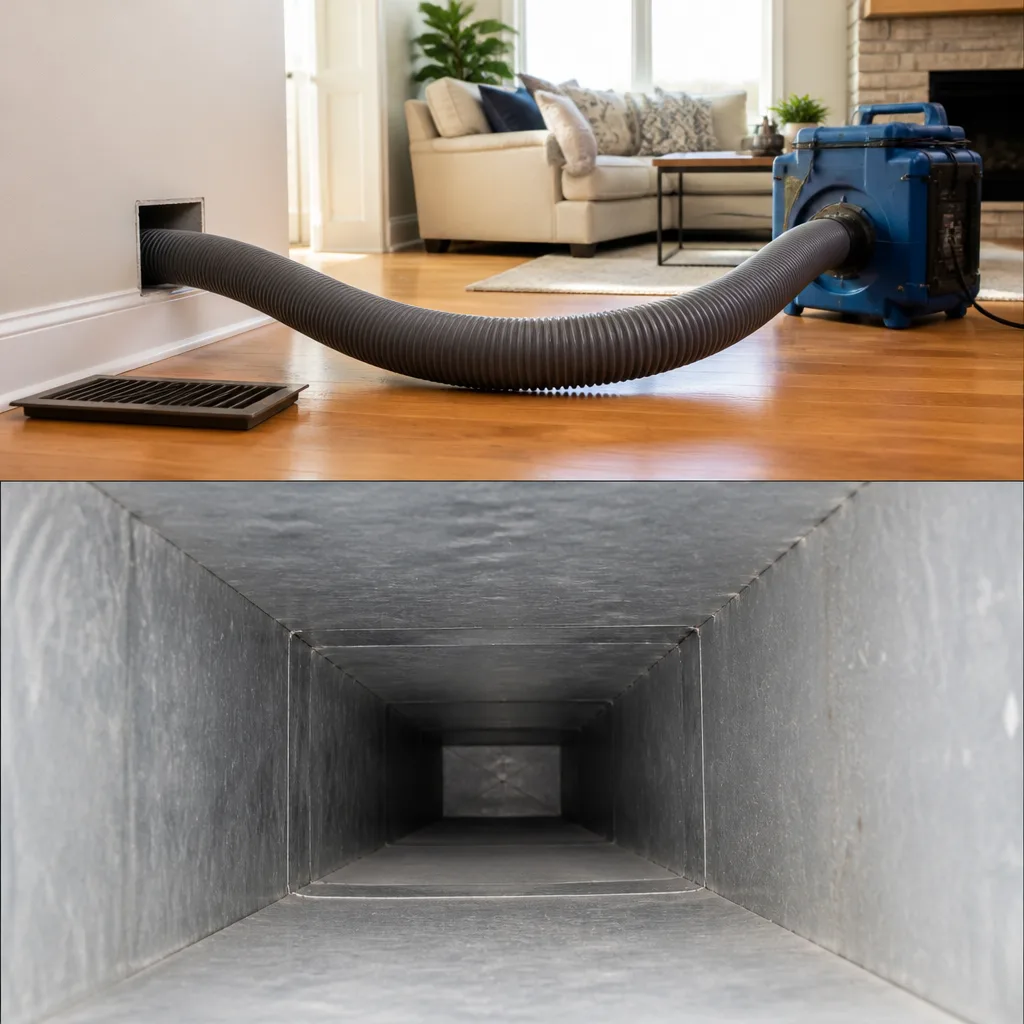 Whole-home duct cleaning
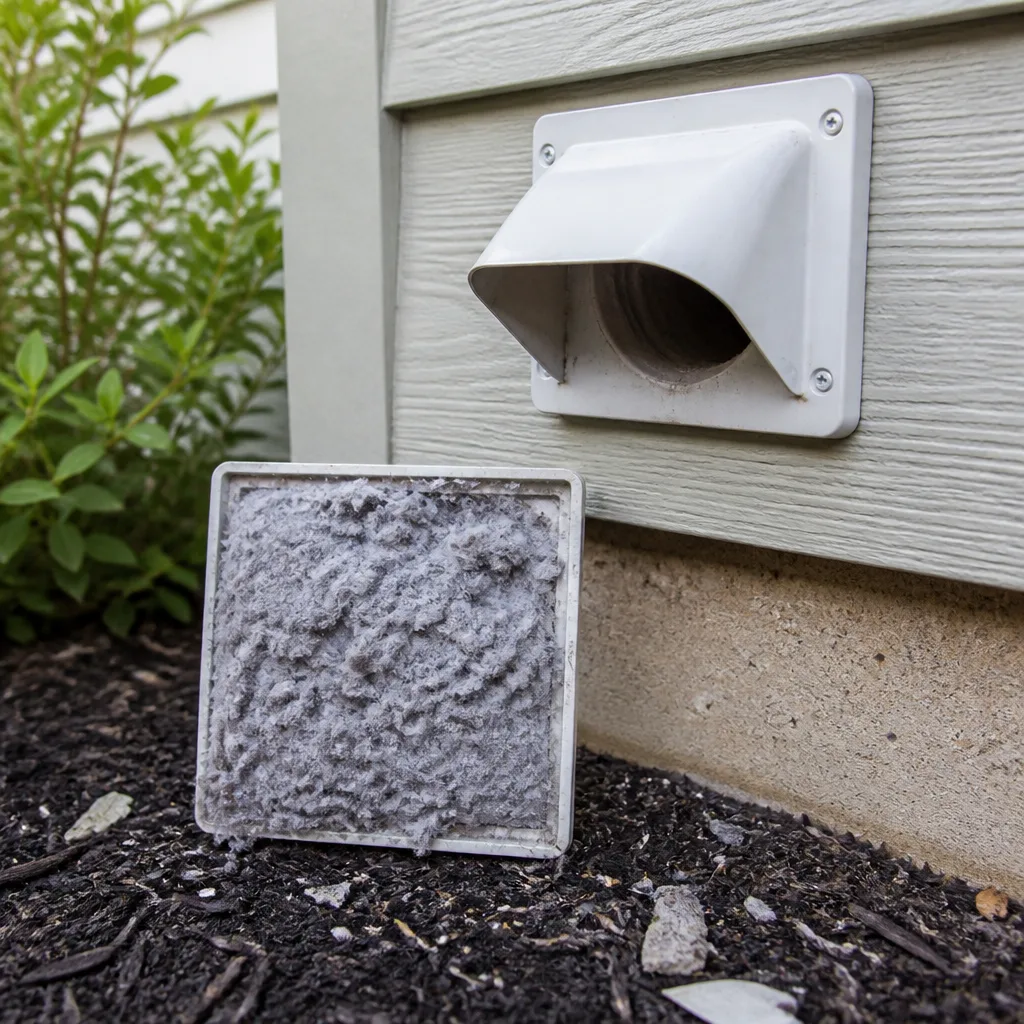 Dryer vent cleaning
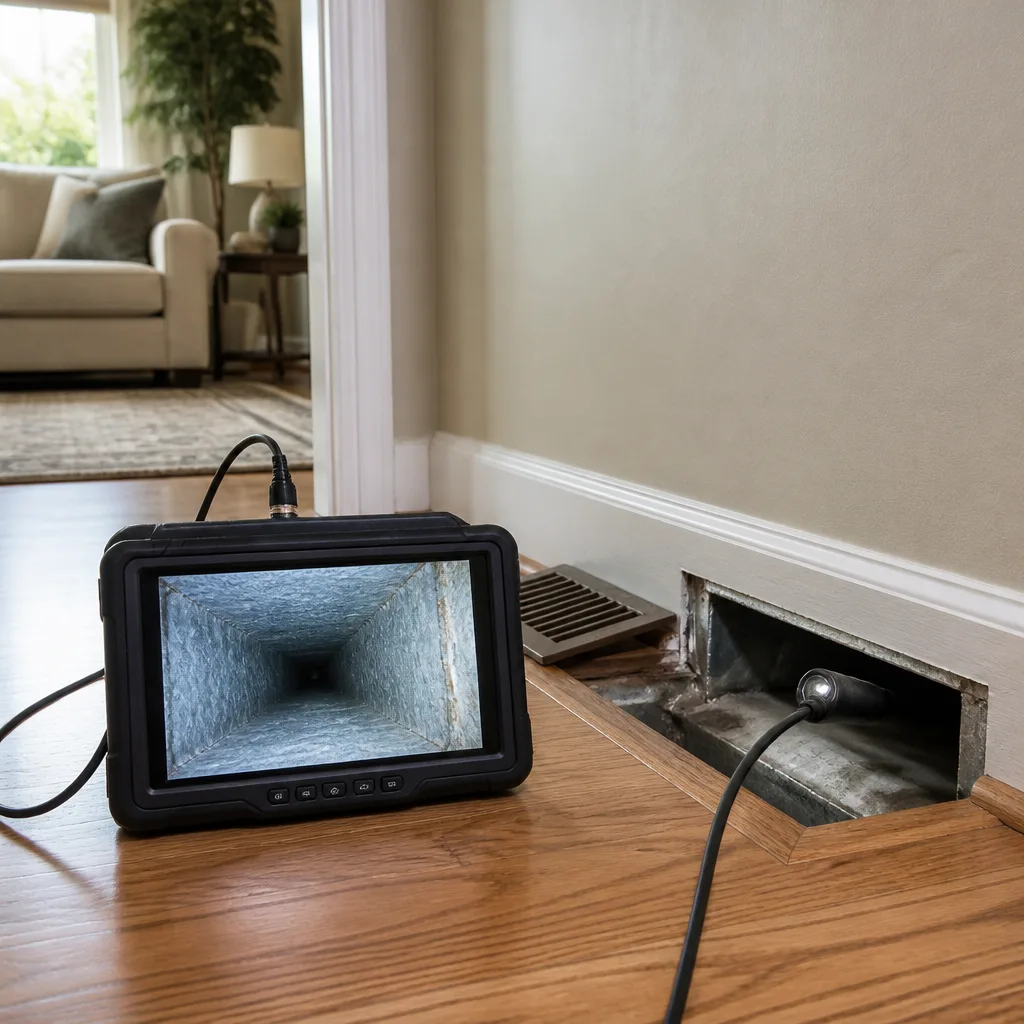 Camera inspection
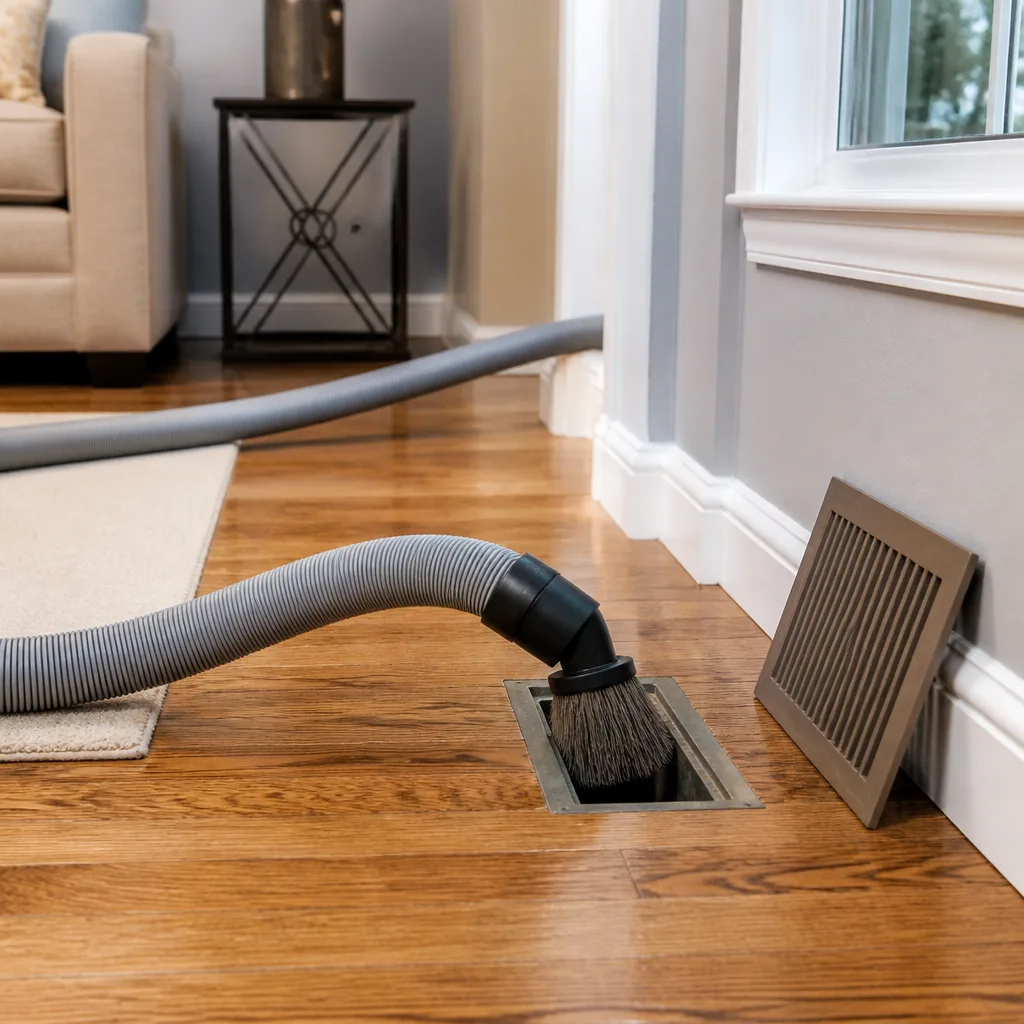 Sanitizing & deodorizing
Whole-system duct and dryer vent check with before-and-after photos - you see exactly what came out of your vents
That "$99 whole-house special" is a bait ad - the real number appears once they are in your hallway, or the "clean" is a shop-vac at the register. We photograph the inside of your ducts before and after instead.
Air Duct Cleaning Cost Breakdown: The Capitol Hill Homeowner’s Reference for 2026
Two quotes for air duct cleaning in Capitol Hill can land five times apart, and most homeowners assume one company is overcharging. Usually that’s not what’s happening. A $149 quote and a $650 quote are rarely the same procedure with different margins. They describe different equipment, different labor time, and different outcomes you can actually verify. One involves a shop vacuum and a brush waved through the registers. The other involves negative-pressure containment, HEPA filtration, and a technician who documents what came out. This guide breaks down what legitimate professional pricing covers, why Capitol Hill’s housing stock changes the math, and how to benchmark a quote before you accept it.
Quick Answer
Air duct cleaning in Capitol Hill typically runs $350 to $700 for a standard single-family home, with larger or multi-zone systems in converted buildings climbing to $900 or more. The price reflects equipment class, labor hours, filtration standard, and whether inspection documentation is included. Any quote far below that band is almost always a narrower service scope, not a better deal. The written estimate sets the final price, and we provide it free.
Styles & brands we work with
- Whole-home duct cleaning
- Dryer vent cleaning
- Camera inspection
- Sanitizing & deodorizing
Table of Contents
- Why Duct Cleaning Quotes in Capitol Hill Vary So Widely
- What a Legitimate Line-Item Breakdown Covers
- How Capitol Hill’s Older Housing Stock Drives Cost
- Benchmarking a Quote: Square Footage, Duct Material, System Age
- The Upsells to Scrutinize: Sanitizer, Microbial Treatment, UV
- The Cost of Not Cleaning, Reframed as ROI
- What Inspection Documentation Should Include
- How to Verify the Work Was Actually Done
Why Duct Cleaning Quotes in Capitol Hill Vary So Widely
Duct cleaning isn’t a regulated service with a standard scope. There’s no single industry definition of “a duct cleaning,” so each company defines it, prices it, and delivers it however it sees fit. That’s the root of the five-times spread. One operator counts a quick brush-down of the supply registers as the whole job. Another runs a negative-pressure system through the full trunk and branch network, seals the returns, captures debris through HEPA filtration, and inspects before and after.
Those are different procedures wearing the same label, and the price gap reflects that honestly.
In Capitol Hill we see the widest range on homes built before 1950, where ductwork was often added long after construction and didn’t follow any clean, predictable layout. A company expecting a tidy suburban configuration of a central trunk and four short branches will quote low, then discover six feet of flex duct snaking through a closet on arrival. The low quote either becomes a change order or it becomes a shortcut.
- Equipment class: truck-mount or portable professional systems cost far more to run per hour than a consumer vacuum. Rotobrush and Nikro systems are purpose-built duct cleaning platforms used by commercial contractors, and their cost of ownership is baked into a legitimate quote.
- Labor time: a single-zone system takes a fraction of the time a multi-zone converted-building system does. A quote that doesn’t ask about zone count is guessing.
- Filtration standard: HEPA capture and negative-pressure containment add setup time and equipment cost. Abatement Technologies filtration gear represents a contamination-control standard associated with restoration and remediation work, not a shop vacuum with a filter bag.
- Inspection and documentation: before-and-after photos and a written summary take time. Companies that skip it can quote lower and still be profitable.
Once you separate those four cost drivers, quotes stop looking arbitrary. They start telling you what you’re actually buying. Our air duct cleaning pricing is built on a per-system basis for exactly this reason: the scope is agreed in writing before anything is touched.
What a Legitimate Line-Item Breakdown Covers
A trustworthy quote breaks the job into components you can read and compare. If a company hands you one number with no detail, ask what’s inside it. A careful operator will itemize these four lines without hesitation.
- Equipment and setup. Professional duct cleaning systems, negative-pressure containment, and HEPA filtration. Setup alone often takes as long as some bargain cleaners spend on the whole job.
- Labor by system size. Zone count, trunk length, and branch access determine technician hours. A quote should reflect how complex your specific system is, not an average across the city.
- Filtration and contamination control. Capturing debris at the source rather than blowing it into living space. This is where professional-grade systems separate from consumer tools, and it’s a real cost line.
- Inspection documentation. Before-and-after photos of the ductwork itself, plus a written summary of condition, any damage found, and recommendations.
Those four lines aren’t padding. Each one corresponds to a step that changes the outcome. A $149 quote with none of them isn’t a discount; it’s a different product. When you understand the components, the number in front of you becomes far easier to judge.
Here’s a rough line-item view of what typical whole-system pricing looks like in Capitol Hill for a standard single-family home:
| Component | Typical Range |
|---|---|
| Base duct cleaning (single-zone) | $350 – $500 |
| Multi-zone or complex routing | $500 – $900+ |
| Duct repair and sealing (if needed) | Quoted separately, per scope |
| Sanitizing application (optional) | Quoted separately, per scope |
Treat those figures as typical estimates, not a fixed price list. The written estimate you receive after inspection sets the final number, and it’s free. Learn more about the full scope on our Air Duct Cleaning Capitol Hill page.
How Capitol Hill’s Older Housing Stock Drives Cost
Capitol Hill’s housing stock is the single biggest reason local duct cleaning costs run above what a suburban tract home would see. Craftsman-era floor plans carry more duct surface area than modern homes of the same square footage. Longer trunk runs, more branch terminations, and returns placed further from the air handler all add cleaning time. A 1,400 square-foot Craftsman can carry more ductwork to clean than a 2,200 square-foot newer build.
Converted buildings complicate things further. A house that was split into rental units, or a building renovated with a mix of original and added ductwork, often runs several separate or overlapping zones feeding different rooms. Each zone needs its own containment and its own pass. A quote that doesn’t account for zone count will either underdeliver or come back with a higher invoice once the technician sees the layout.
There’s also the matter of duct material. Older Capitol Hill homes commonly have a mix of galvanized steel trunk lines, original interior duct chases, and later flex additions. Each material cleans differently and takes different tooling. Systems with flex duct require lower-pressure methods to avoid damage; rigid metal can take more aggressive work. A reputable technician will identify material type before starting, not after.
None of this is a Capitol Hill problem in the sense of something being wrong. It’s simply the geometry of older housing. The fix is a quote built around your actual system, not a citywide average. A specialist who treats duct cleaning as the entire discipline, rather than an add-on to HVAC repair, will ask the right questions and price accordingly.
Benchmarking a Quote: Square Footage, Duct Material, System Age
You can sanity-check any quote before accepting it by using three inputs: square footage, duct material, and system age. None of these give you a precise price, but together they tell you whether a quote is in the right neighborhood.
- Start with square footage. Below roughly 1,200 square feet, base cleaning typically lands in the lower part of the range. Above 2,500 square feet, plan for the upper end or beyond, especially with multiple zones.
- Adjust for duct material. All-rigid metal systems generally clean faster than mixed systems. Flex-heavy layouts take longer because the method is gentler and slower.
- Adjust for system age and complexity. Older, retrofitted, and multi-zone systems add time and equipment complexity. A system original to a recent renovation is the simplest case.
If a quote comes in far below what those three inputs suggest, ask the company what it’s leaving out. If it comes in far above, ask which line items are driving the number. A confident operator will walk you through it. Any company that won’t is one to skip.
Benchmarking works because the scope of the job is largely predictable once you know the system. The uncertainty lives at the edges of a quote, not in the middle of it. This is also why the free written estimate exists: it converts predictions into confirmed numbers.
The Upsells to Scrutinize: Sanitizer, Microbial Treatment, UV
“Microbial treatment,” “UV purification,” and “sanitizer fogging” get bundled into duct cleaning quotes almost reflexively. Some of it is justified. A lot of it is margin. Here’s how to tell the difference.
Sanitizing is worth considering when you’ve had a moisture event, water intrusion, or a detectable musty odor coming from the vents. In those cases a sanitizing application after cleaning can address residual contamination in the duct surface. If you haven’t had those events and there’s no odor, sanitizing is optional, and a quote shouldn’t treat it as mandatory.
Microbial treatment falls in a similar category. Applied after a genuine moisture or contamination problem is identified and addressed, it can make sense. Applied as a default add-on with no evidence of a problem, it’s padding.
UV installation in the duct system or at the air handler is a different animal. A UV system is a long-term piece of air quality hardware, not a cleaning step. It can make sense as a post-cleaning upgrade in specific households, but it’s not a cleaning line item and shouldn’t be sold as one. Products from Honeywell and Aprilaire bridge the gap between cleaning and long-term air quality improvement, and when they’re the right fit they’re worth discussing. When they’re not, they shouldn’t be presented as part of a cleaning quote.
Ask what the add-on actually addresses. If the technician can’t name a specific problem in your system, it should come off the estimate.
What shouldn’t be optional is HVAC cleaning of the evaporator coil and air handler when the ducts are being cleaned. A dirty coil recontaminates a clean duct system in short order, and skipping it is a cleanup you’ll pay for twice.
The Cost of Not Cleaning, Reframed as ROI
Homeowners often frame duct cleaning as an expense. It reads better as an ROI calculation, because the deferred cost shows up elsewhere in the budget.
- HVAC efficiency degradation. A system fighting restricted airflow works harder to deliver the same conditioning. The energy penalty shows up month after month, quietly.
- Filter replacement frequency. Contaminated duct systems load filters faster, which means more filters bought per year. It’s a small line item repeated often.
- Coil cleaning cost. A dirty evaporator coil eventually needs cleaning whether or not the ducts were cleaned first. Doing it alongside duct cleaning is more efficient than doing it after.
- Duct leakage. Gaps and disconnected joints in older Capitol Hill ductwork leak conditioned air into unconditioned spaces. That’s energy loss no cleaning alone fixes, which is why duct repair and sealing is a core service, not an afterthought.
- Air quality in the living space. Fine dust and debris migrating from the duct system into rooms is real. Whether you attribute symptoms to it or not, the debris is airborne.
The ROI case isn’t about a specific number of months to payback, because every system is different. It’s about recognizing that the cost of not cleaning doesn’t disappear; it just moves to the energy bill, the filter aisle, and the coil cleaning invoice later. Cleaner ducts plus sealed ducts is one job. Clean ducts with leaking joints is a recontamination loop. The two are worth doing together.
What Inspection Documentation Should Include
Inspection documentation is what separates a real duct cleaning from a service you have to take on faith. It also protects you when something goes wrong later. Here’s what a legitimate report includes.
- Before photos. Images of duct interiors, trunk lines, and registers captured before any cleaning is done. These aren’t marketing shots; they’re evidence of starting condition.
- After photos. Matching images of the same locations, captured after cleaning. The comparison is the whole point.
- Written condition summary. A plain-language note on duct material, any damage observed, connectivity issues at joints, and any contamination found.
- Recommendations. Repair or sealing if the system has gaps, sanitizing if moisture or odor is present, and post-cleaning air quality options if relevant.
Ask for this before the job, not after. Any operator who can’t describe what documentation they’ll provide is telling you something about how the work will be done. Photographic evidence is also the fastest way to settle the “did they actually clean it” question. If you can see the before and the after, you know.
How to Verify the Work Was Actually Done
Verification matters more in duct cleaning than in almost any other home service, because the work happens out of sight. A few practical checks separate a real job from a cosmetic one.
- Ask for before-and-after photos of your own ducts. Not stock images. Yours, from the same angles.
- Look at the registers. Pop a couple off after the job. The interior surfaces of the register boots and the visible duct near the register should show a clear difference.
- Check the containment. During the job, the system should be under negative pressure, pulling debris toward the collection point, not blowing it into rooms.
- Ask about coil cleaning. If the evaporator coil and air handler weren’t touched, ask why. Duct cleaning without coil cleaning is half the system.
- Review the written summary. The report should match what the technician told you verbally. If it doesn’t, ask.
A one flat price per system agreed before work starts is the anchor here. It removes the incentive to slide additional line items onto the invoice after the fact, and it makes the outcome easier to evaluate. If the price is fixed and the documentation is real, verification is simple. For dryer vent work specifically, the fire-safety stakes are high enough to justify the same scrutiny. See our dryer vent cleaning page for what that job should include.
Common Mistakes to Avoid
- Accepting the lowest bid without reading the scope. A quote is only useful if you know what’s inside it. A number far below the typical Capitol Hill range almost always describes a narrower procedure.
- Skipping the coil. Cleaned ducts with a dirty evaporator coil recontaminate quickly. Ask specifically whether HVAC cleaning is included.
- Not asking about zone count. Multi-zone systems in Capitol Hill’s converted buildings take materially longer to clean. A quote that didn’t ask the question is guessing.
- Buying UV or microbial add-ons without a diagnosed problem. Those products can be useful in specific cases. They’re margin padding when sold as default line items.
- Forgetting duct repair and sealing. Leaking joints undo the benefit of cleaning by pulling unfiltered air back into the system. If the system has gaps, get them fixed in the same visit or the visit gets repeated.
- Choosing a generalist HVAC company that treats duct cleaning as an add-on. The tools and labor time for real duct cleaning are specific to the discipline. A generalist’s brush-and-vacuum approach doesn’t cover it.
- Not requesting documentation. If you can’t see before-and-after photos of your own ductwork, you can’t verify the work was actually done.
See the difference
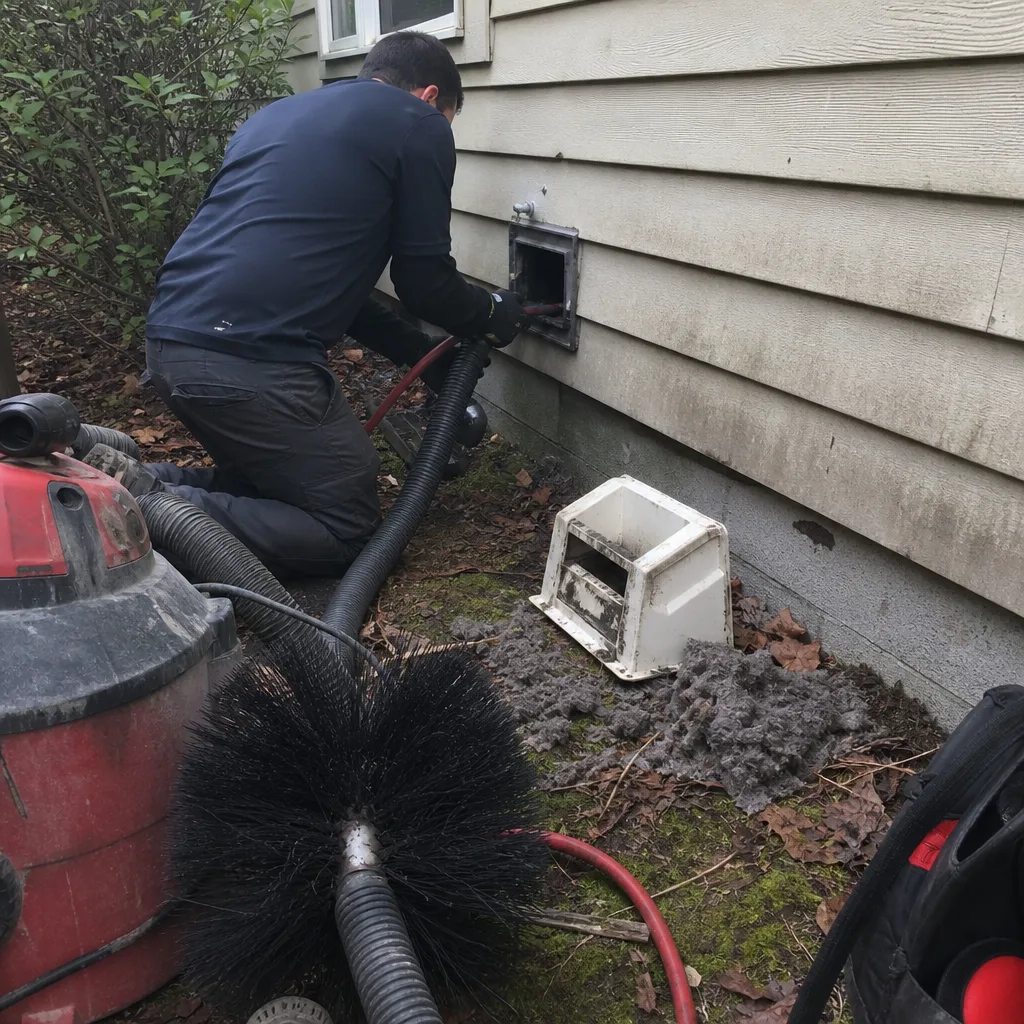 Before
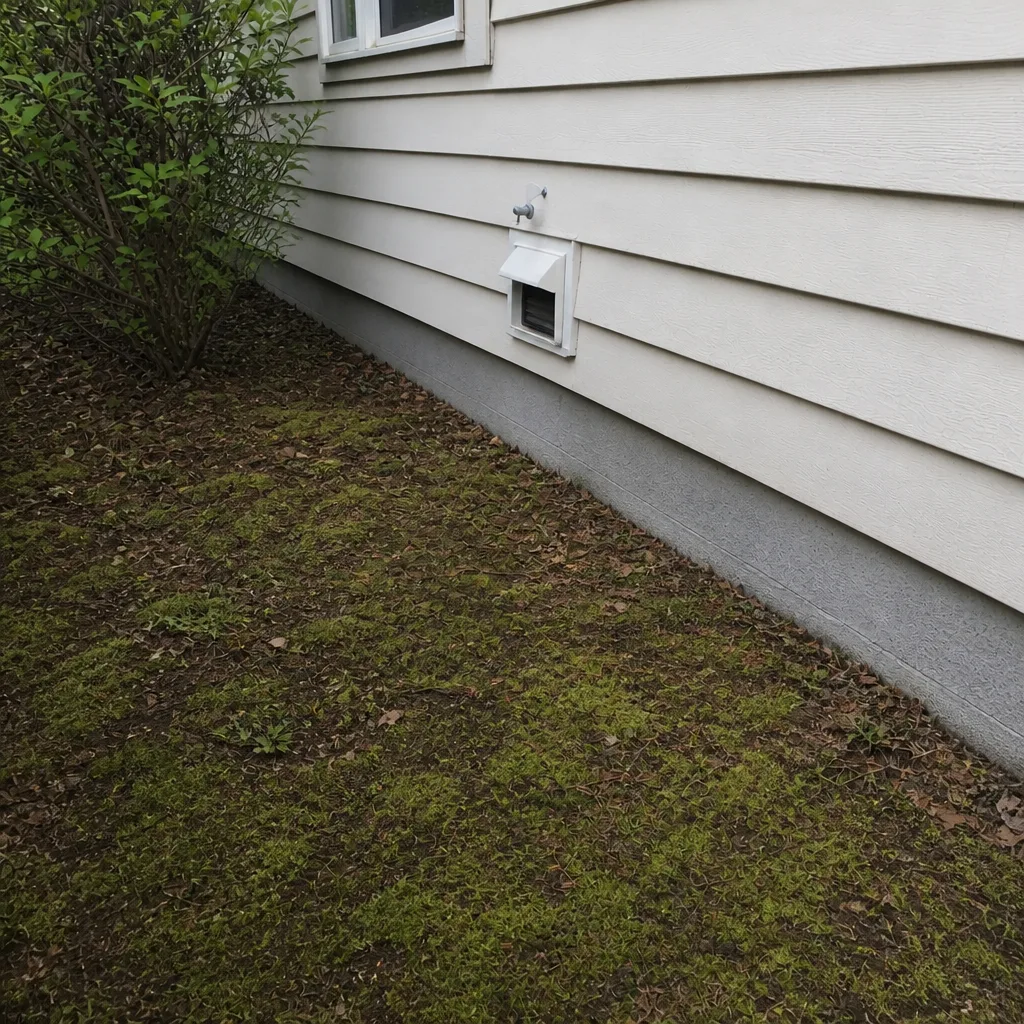 After
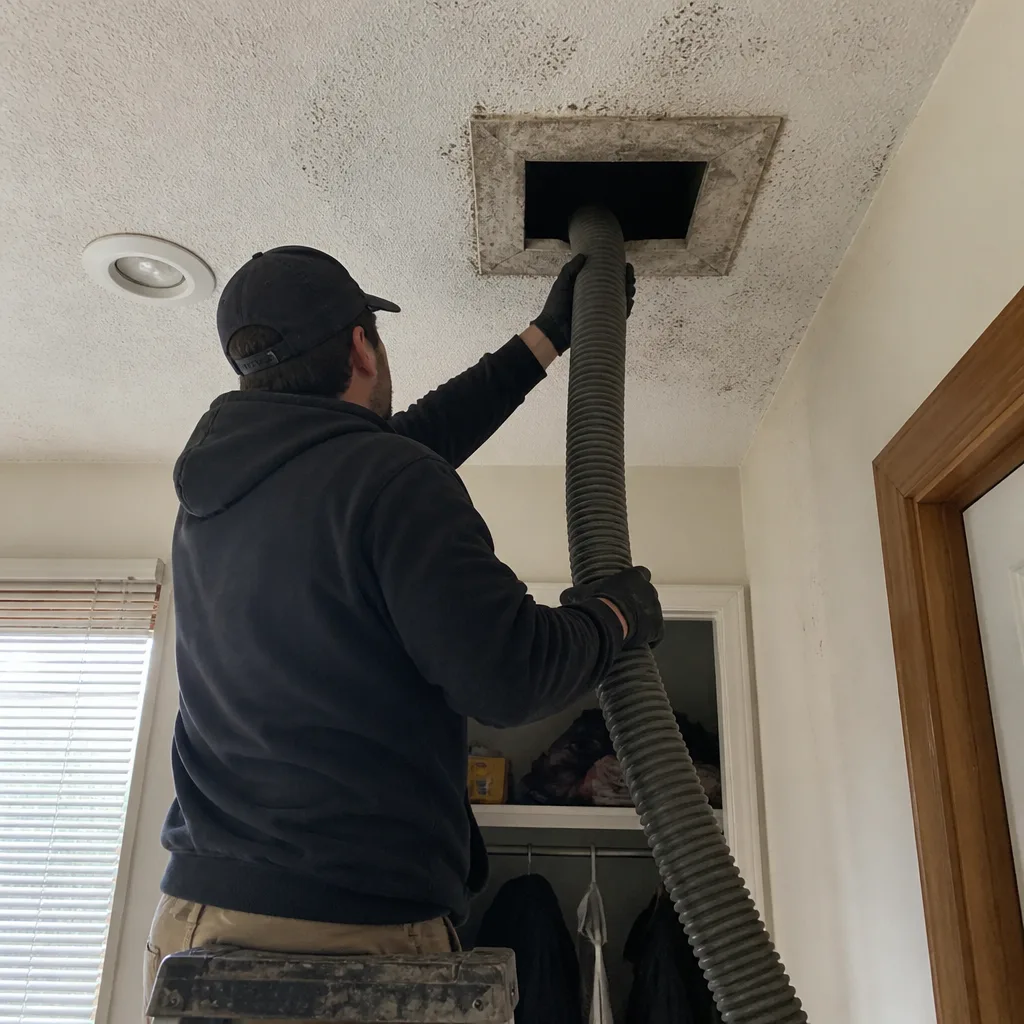 Before
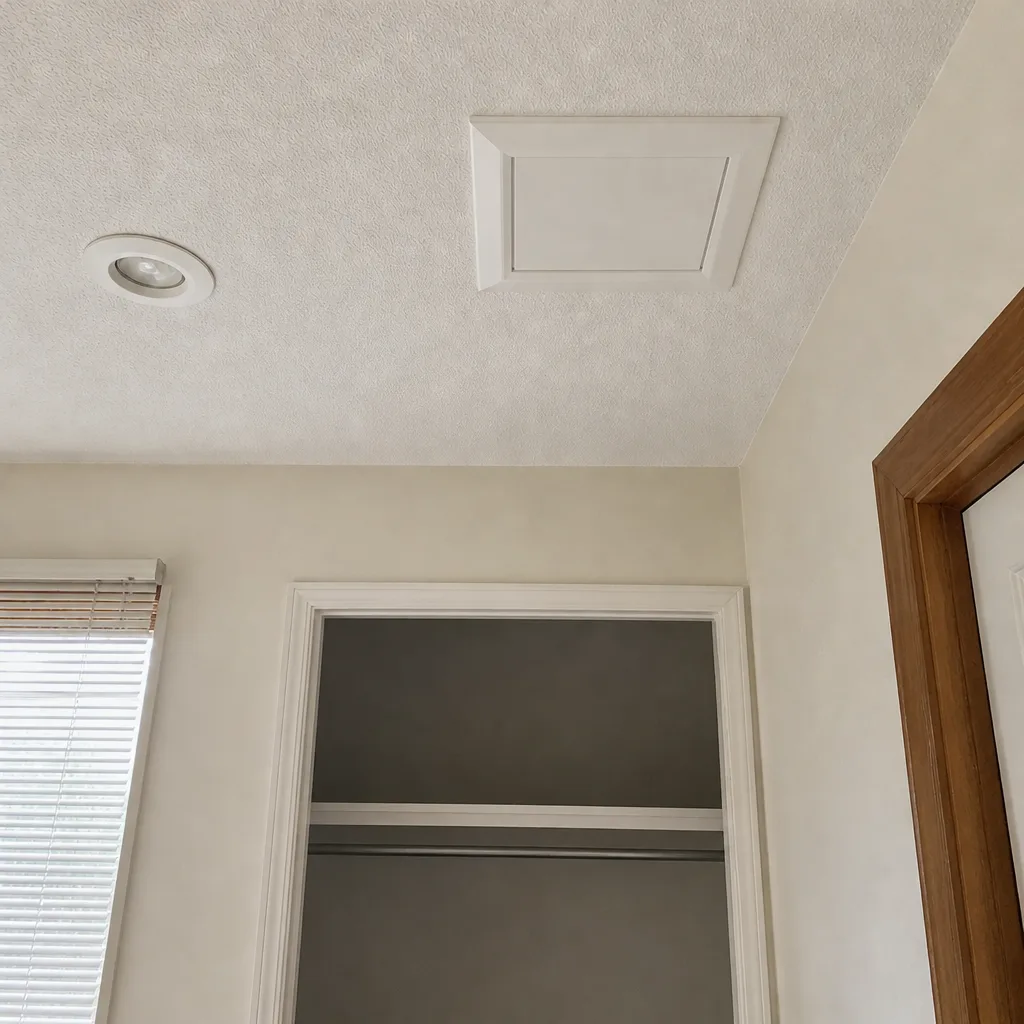 After
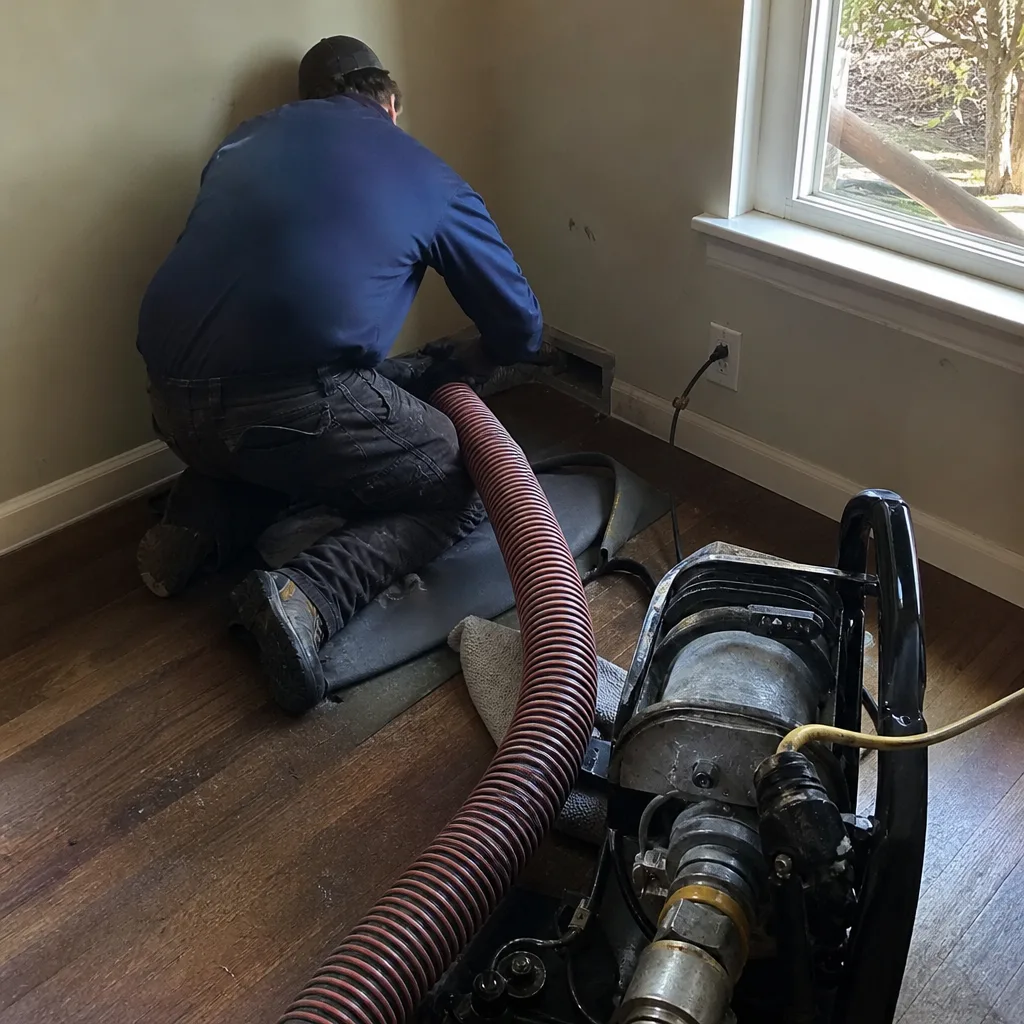 Before
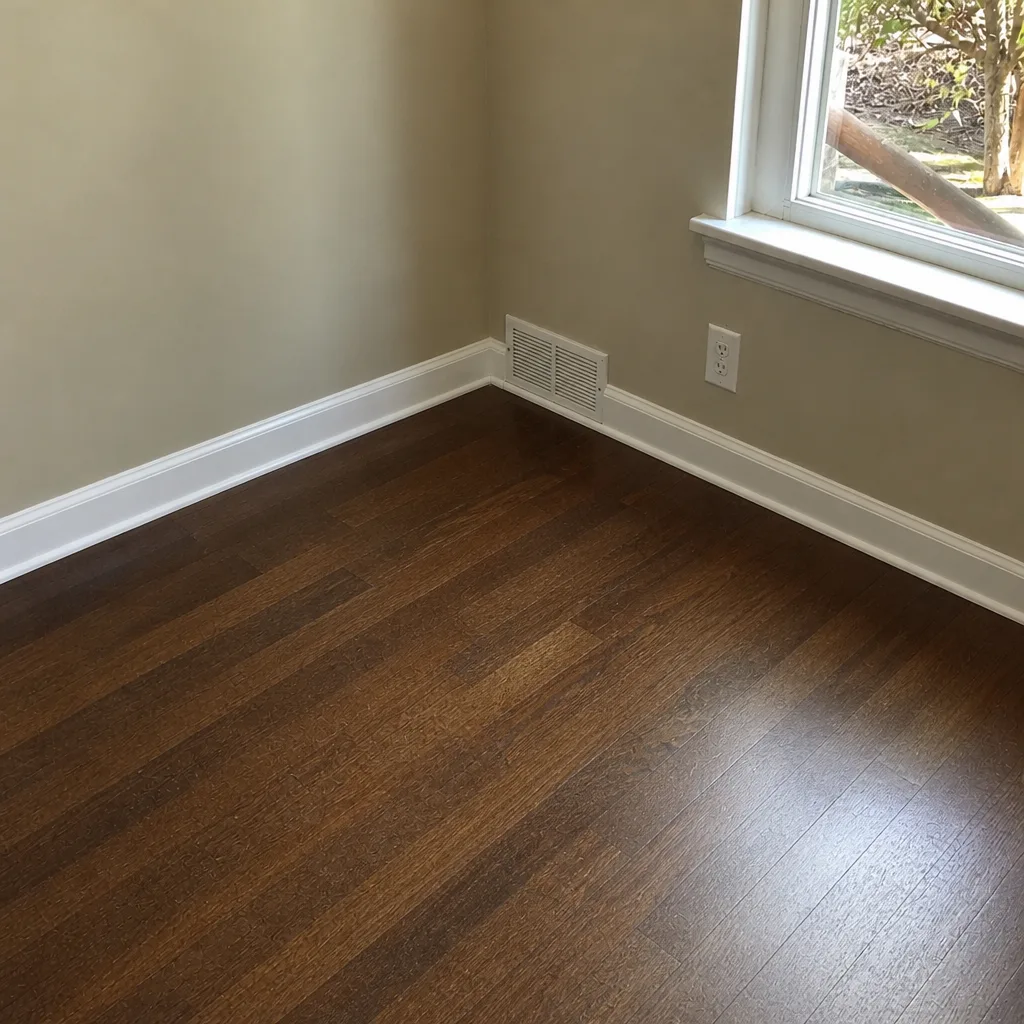 After
When to Call a Professional
Call a professional when you notice persistent dust from vents after cleaning, a musty odor from the supply registers, visible debris at the register openings, or when the HVAC system runs longer than it used to without a change in the thermostat. Call when filters load faster than they did last year. Call before a renovation, when you’re moving into a home with unknown duct history, or when you’ve had a moisture event in the attic or crawl space. Dryer vent cleaning deserves the same call: lint buildup in a dryer vent is one of the leading causes of residential fires, and the line has to be cleared completely. Air Duct Cleaning Capitol Hill offers free estimates in Capitol Hill. Call (855) 970-9419. We answer 24/7. Fast dispatch from 7am to 7pm, Sunday through Friday.
Frequently Asked Questions
Air duct cleaning in Capitol Hill typically costs $350 to $700 for a single-family home, with more complex multi-zone systems in converted buildings running higher. The price depends on equipment class, labor hours, filtration standard, and whether documentation is included. Call (855) 970-9419 for an exact quote, because estimates are free.
Cheap quotes usually describe a smaller scope of work: no negative-pressure containment, no HEPA filtration, no documentation, and often no coil cleaning. The equipment class is different too. Professional-grade systems like Rotobrush and Nikro cost more to run than a shop vacuum, and that cost has to show up somewhere. A low price is usually a smaller job, not a better deal. Call (855) 970-9419 to get a line-item estimate in writing.
Ask for before-and-after photos of your own ducts, not stock images, plus a written condition summary. Pop a few registers off after the job and inspect the visible duct interior. Confirm the system was under negative pressure during cleaning so debris was pulled toward the collection point, not into rooms. Call (855) 970-9419 to schedule a cleaning with documented before-and-after photos.
Most Capitol Hill homes do fine with cleaning every three to five years, but that’s a range, not a rule. A home with pets, indoor smokers, recent renovation work, or a history of moisture events needs it more often. Homes with intact ductwork, regular filter changes, and no specific contamination signals can go longer. Call (855) 970-9419 for an inspection that tells you what your specific system needs.
If the duct system has gaps at joints or disconnected runs, yes. Cleaning a leaking system means the cleaned surface gets recontaminated through those leaks, and it also means conditioned air is escaping where it shouldn’t. Repair and sealing closes that loop. Ask the technician to inspect joints and connections during the cleaning visit. Call (855) 970-9419 to book cleaning and sealing together.
Sanitizing is worth it when there’s a straightforward reason: a past moisture event, water intrusion, or a detectable musty odor from the registers. Without those signals, sanitizing is optional. It’s not a cleaning substitute; it’s a post-cleaning application. Ask the technician to explain which specific problem the sanitizing is meant to address. Call (855) 970-9419 for an estimate that separates base cleaning from optional add-ons.
The Bottom Line
The price range on duct cleaning in Capitol Hill reflects what’s actually inside the job: professional equipment, real labor hours, HEPA filtration, and documented inspection. Quotes below that range almost always describe a narrower scope, not a bargain. A Craftsman or converted building needs a quote built around its own zone count and duct layout, not a citywide average. Optional add-ons like sanitizing and UV hardware are worth it when they address a specific problem and margin padding when they don’t. Duct repair and sealing closes the loop so clean ducts stay clean. A free written estimate, one flat price per system, and before-and-after photos of your own ducts are what a serious quote looks like. Then the ROI case for doing it now, rather than later, becomes easy to see.
Call (855) 970-9419 to schedule a free estimate. We answer 24/7. Fast dispatch from 7am to 7pm, Sunday through Friday. We’re closed Saturday. One flat price per system, agreed before work starts, with before-and-after photos you can review. Our technicians have up to 13 years of experience working with professional-grade Rotobrush and Nikro systems, Abatement Technologies filtration for contamination control, and Aprilaire and Honeywell air quality products for post-cleaning upgrades.
Written by the team at Air Duct Cleaning Capitol Hill.