
Last updated November 22, 2026
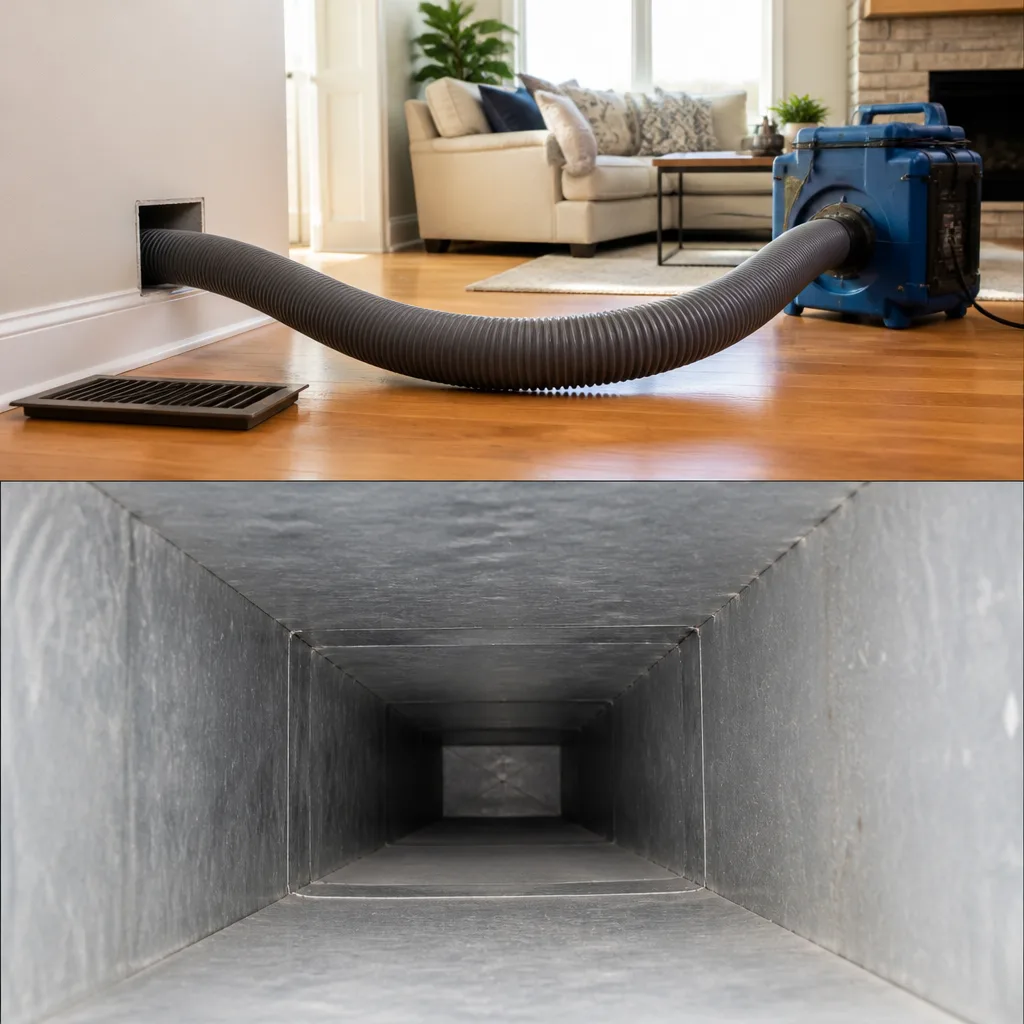 Whole-home duct cleaning
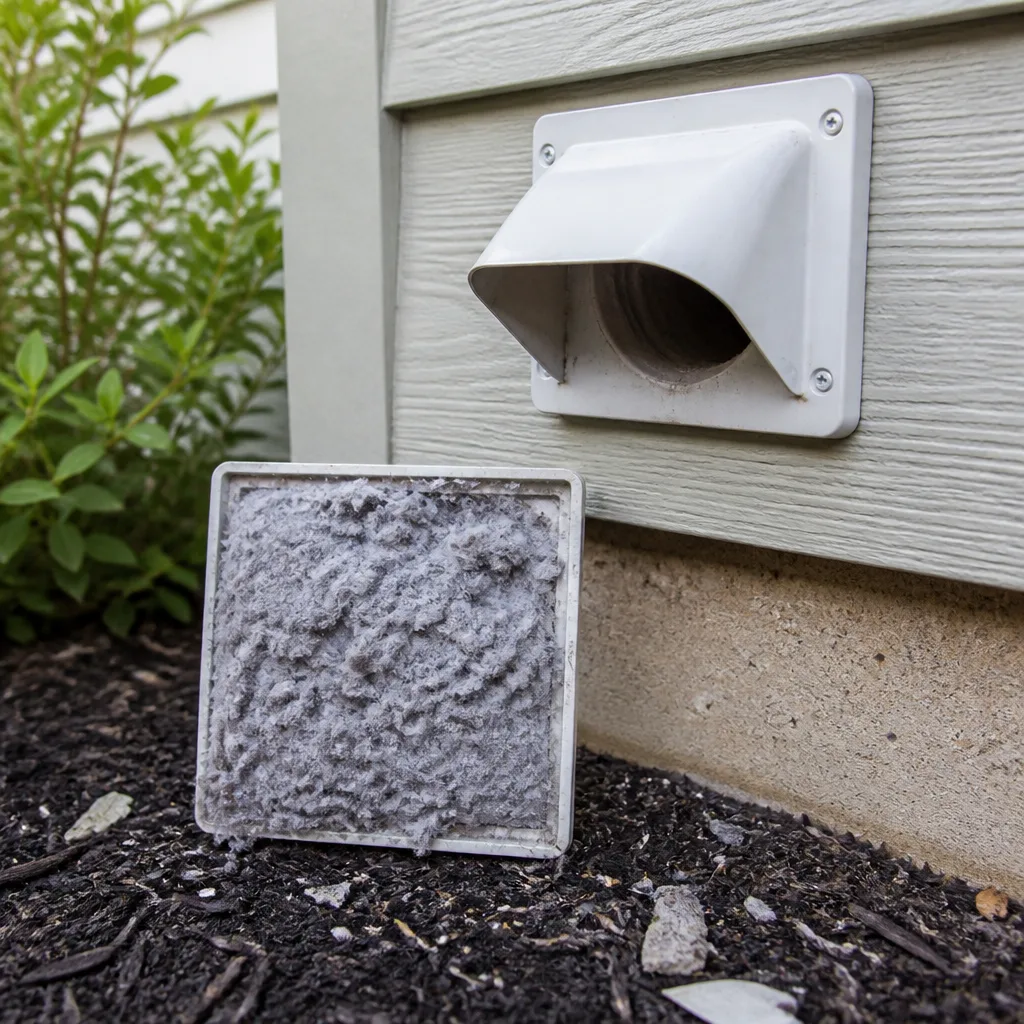 Dryer vent cleaning
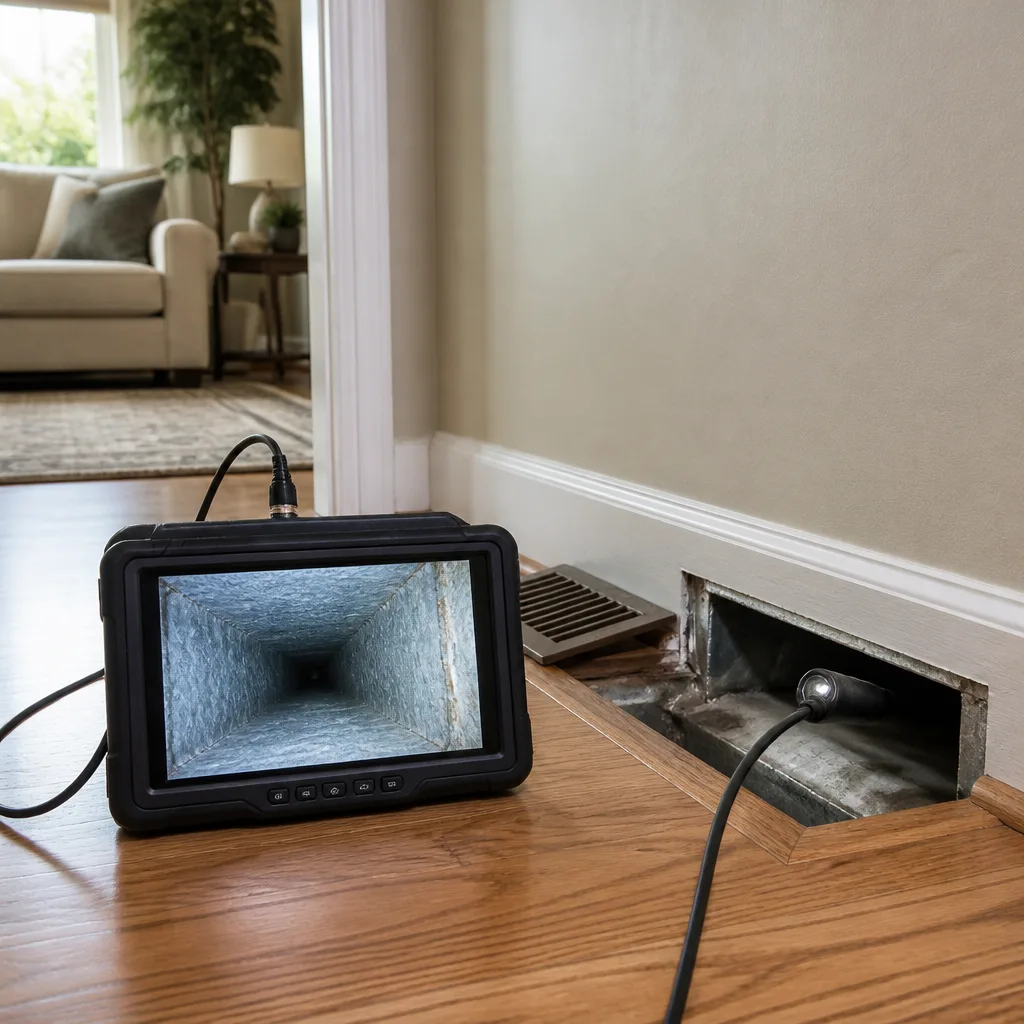 Camera inspection
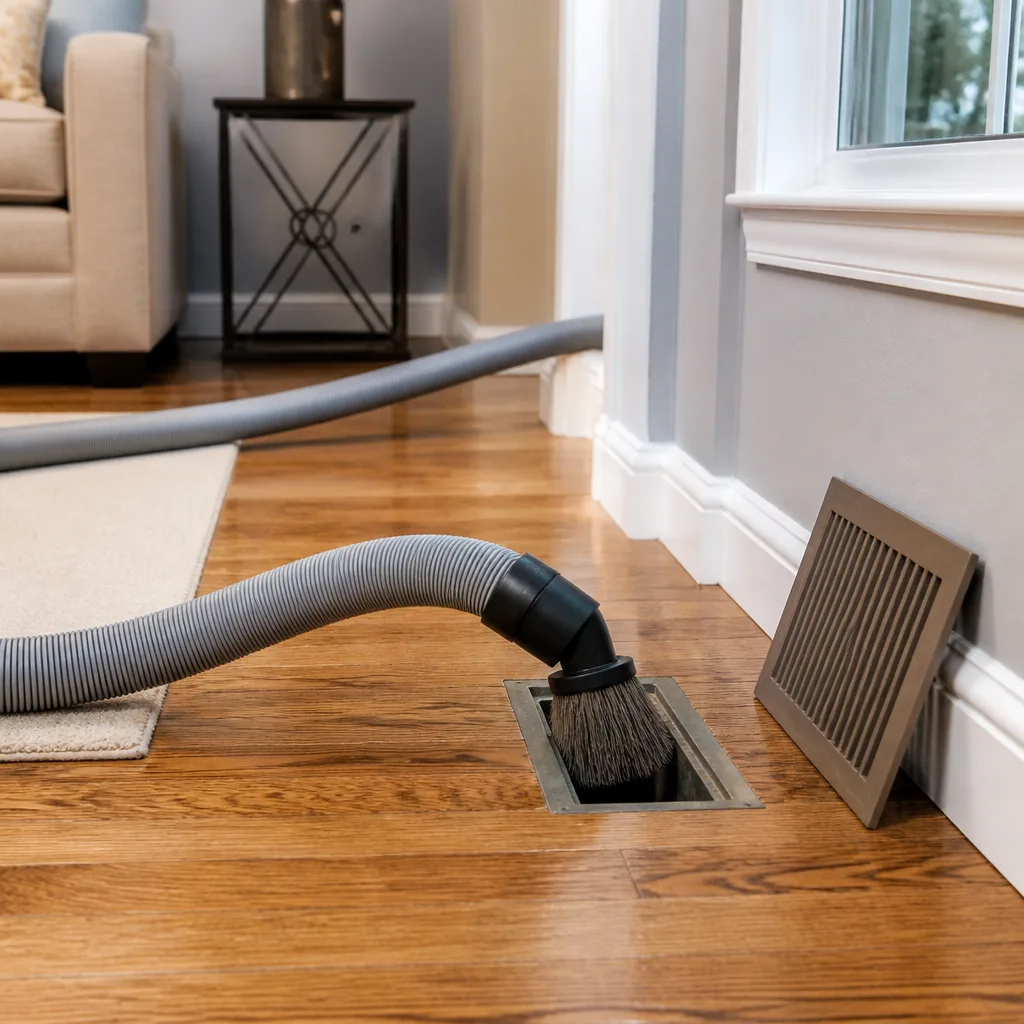 Sanitizing & deodorizing
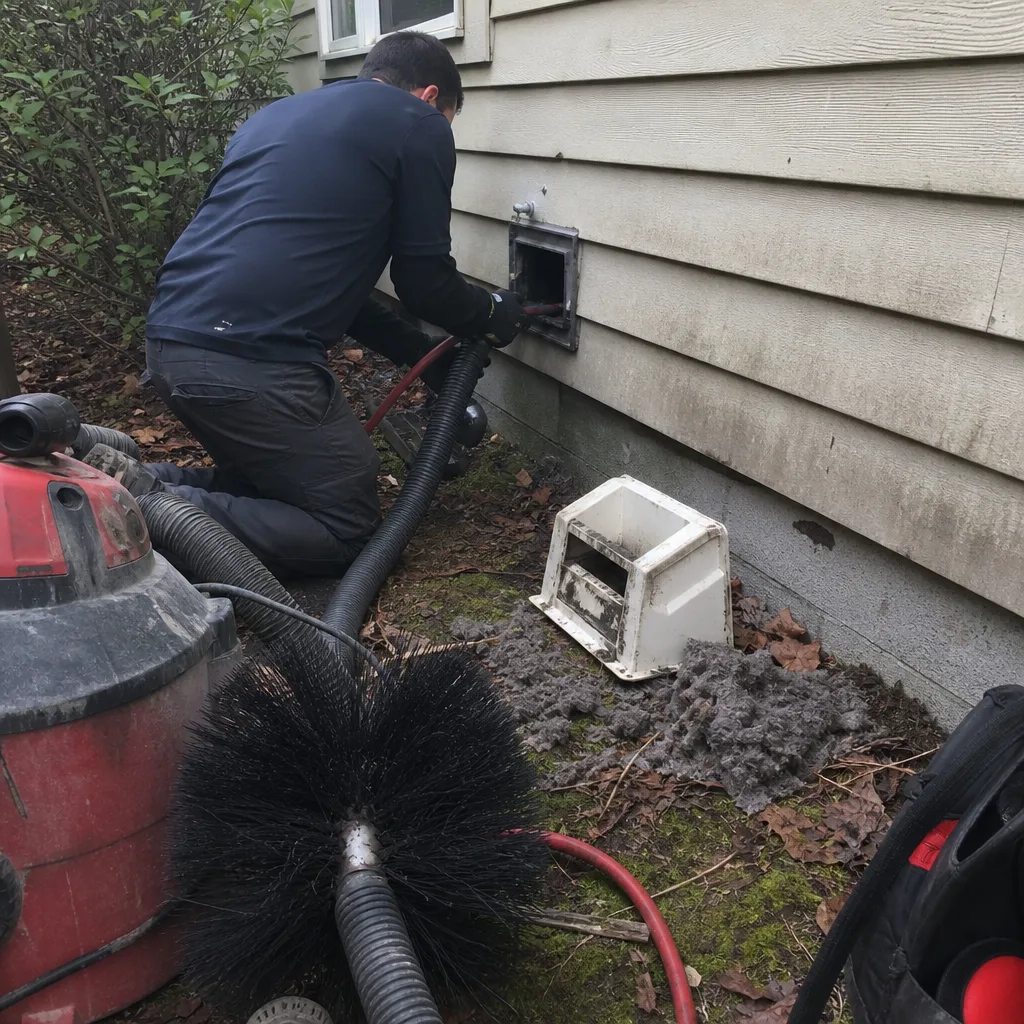
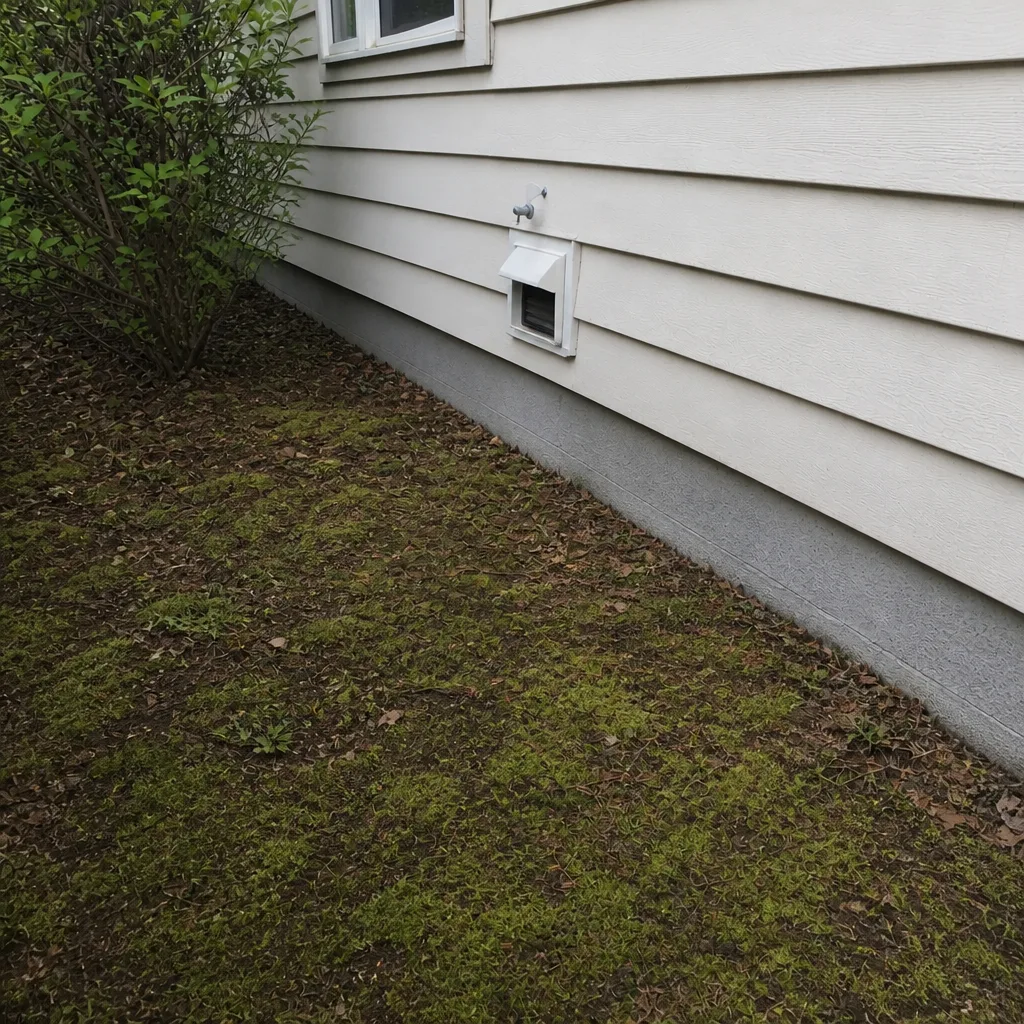
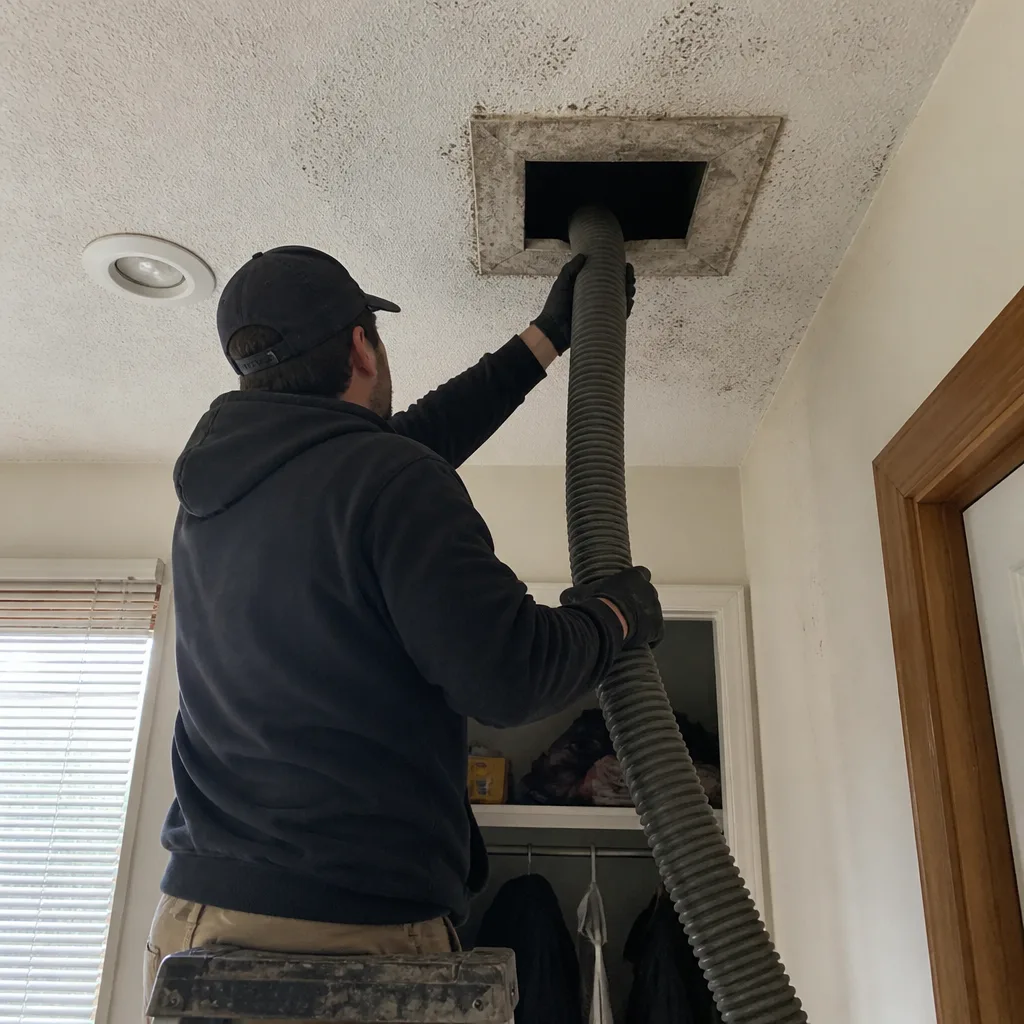
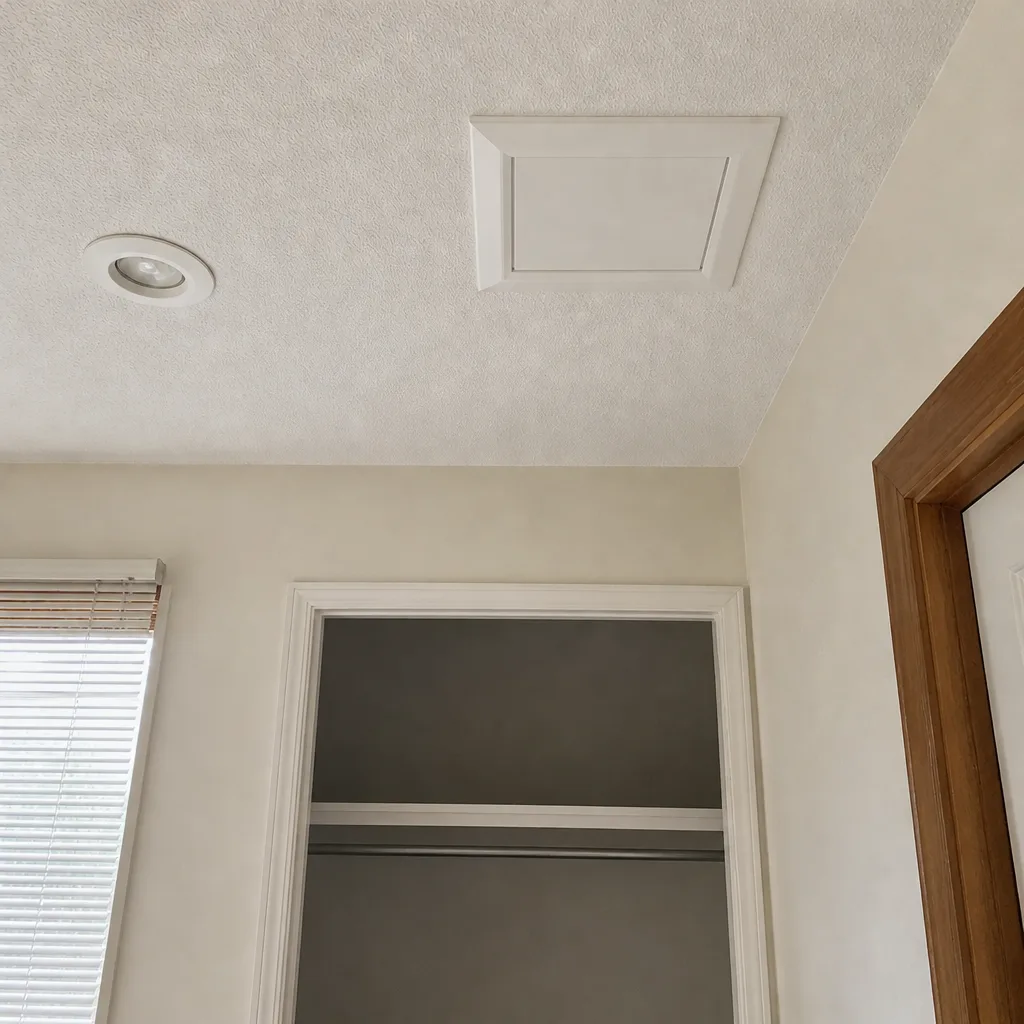
Whole-system duct and dryer vent check with before-and-after photos - you see exactly what came out of your vents
That "$99 whole-house special" is a bait ad - the real number appears once they are in your hallway, or the "clean" is a shop-vac at the register. We photograph the inside of your ducts before and after instead.
Air Duct Cleaning Permits, Codes & Inspections in Capitol Hill, WA: What You Need to Know
No permit is required to clean your ducts. But the moment a technician replaces a flex duct section, seals a plenum, or installs a UV component, you’ve crossed into permitted work territory under Washington’s mechanical code. That line is the single most misunderstood part of duct work in Capitol Hill, and it’s where homeowners get surprised – sometimes years later, at resale, when an inspector asks for a permit that was never pulled. This guide walks through where cleaning ends and mechanical alteration begins, how Seattle’s Department of Construction and Inspections handles duct-related permits, and how to tell whether a contractor’s scope of work stays on the safe side of that line.
Quick Answer
Cleaning an air duct system in Capitol Hill does not require a permit in Washington State. Duct sealing, duct replacement, plenum modifications, and new component installations – such as UV systems or added returns – are mechanical alterations under the Washington State Mechanical Code (WAC 51-52) and generally do require a mechanical permit through Seattle’s Department of Construction and Inspections (SDCI). The permit requirement depends on what is being done to the system, not on whether a brush, hose, or vacuum is involved.
Styles & brands we work with
- Whole-home duct cleaning
- Dryer vent cleaning
- Camera inspection
- Sanitizing & deodorizing
Table of Contents
- Where cleaning ends and mechanical alteration begins
- What WAC 51-52 actually says about duct work
- How SDCI handles duct-related mechanical permits
- Why duct sealing usually needs a permit
- Unpermitted duct work and Capitol Hill home resale
- How to verify a contractor’s scope and licensing
- What a duct-adjacent inspection actually looks like
- Documenting the work for future owners
Where Does Cleaning End and Mechanical Alteration Begin?
The honest answer: on the invoice description. If the work is limited to removing dust, debris, and biological growth from surfaces inside the existing duct system, no permit applies. If the work changes the system – its components, its configuration, its airflow characteristics, or its connection points – you’re in mechanical alteration territory. The distinction is about the system remaining materially the same afterward.
In our experience working in Capitol Hill homes, the confusion usually shows up in three places:
- Flex duct runs. Cutting out a crushed or torn section and reconnecting the system with new flex duct is a component replacement. Cleaning a flex duct that is intact is not.
- Plenum work. Sealing a gap where duct meets air handler with mastic is often treated as maintenance. Fabricating or modifying a plenum and its connections is alteration.
- Add-ons. Installing an inline UV purifier, adding a return, or reconfiguring a branch is new mechanical work.
What we do on the cleaning side – brush and negative-pressure work using professional-grade systems from Rotobrush and Nikro, with Abatement Technologies filtration on the vacuum side – stays inside the no-permit boundary. The equipment matters here for a practical reason: consumer shop vacuums and small rentals can’t hold the negative pressure needed to keep debris contained, which is why the cheapest quotes usually involve more mess and less actual cleaning. Professional systems pull the debris out of the system instead of stirring it into the room. When the work shifts from cleaning to Air Duct Cleaning Capitol Hill system repair – new sections, sealed joints, re-connected plenums – that’s where permits enter the picture.
What Does WAC 51-52 Actually Say About Duct Work?
WAC 51-52 is Washington’s adoption of the International Mechanical Code, amended for the state. It governs mechanical systems – including duct systems – and the permit requirements that flow from that scope. The code doesn’t have a section titled “air duct cleaning.” It has sections governing duct systems as mechanical components. That’s the pivot point.
The practical reading for a Capitol Hill homeowner comes down to a few ideas:
- Maintenance is not alteration. Cleaning, adjusting, or replacing a filter on an existing, unmodified system is maintenance.
- Replacement of system components is alteration. Replacing a section of duct, a fitting, or a connection is treated as mechanical work.
- New installations require a permit. Adding a UV device, inline filter, humidifier, or new branch to the system is an installation.
- Sealing sits on the boundary. Sealing ducts as part of system commissioning or replacement is part of that permitted mechanical work. Sealing an existing joint with mastic as routine maintenance is generally not.
Here’s where we push back on some of what circulates online: a lot of articles and contractor pages treat “duct sealing” as one category. In practice, the intent behind the seal is what determines whether a permit is needed. A technician chasing a small leak on an existing joint during a cleaning visit is doing something very different from a contractor re-sealing the entire system to address energy loss and calling it “duct sealing service.” The second is system modification. The first usually isn’t. That’s why it helps to have a cleaning provider who does both ends of the work and can explain which side of the line your particular job sits on – rather than a generalist who offers air duct cleaning as an occasional add-on and never thinks about permits at all.
How Does Seattle’s Department of Construction and Inspections Handle Duct Permits?
SDCI is the agency that issues mechanical permits for residential work in Seattle, including the Capitol Hill neighborhood. The process is more straightforward than most homeowners expect, but it’s not instant, and the sequencing matters.
The typical shape of a duct-related mechanical permit:
- Permit application. The licensed contractor pulls the permit through SDCI before work begins. The application describes the scope: what’s being installed, replaced, or modified, and where.
- Plan review (if required). Many residential duct-related mechanical permits are over-the-counter or online; larger alterations or those that touch structural elements can require plan review.
- Permit issuance and fee. Fees scale with scope. A single component replacement is generally in a lower fee tier than a system-wide modification.
- Work performed. Only after the permit is issued. Starting work before the permit is issued is a violation regardless of whether the work itself is done correctly.
- Inspection. A city inspector reviews the installation against the permit scope and the mechanical code. Corrections, when needed, are noted and re-inspected.
- Final sign-off. The permit is closed, and the record stays with the property.
Two things matter here for Capitol Hill homeowners. First, permits are pulled by licensed contractors – the homeowner isn’t usually the applicant. Second, the process exists so that when a future buyer or their inspector looks at the property, there’s a record. If the work happened without a permit, that record doesn’t exist. Any contractor who offers to “skip the permit, it’s just a small change” is telling you something about how they think about the work. And in Capitol Hill’s housing stock – a mix of older homes with original galvanized systems sitting alongside newer construction and recent renovations – “small changes” have a way of touching systems that were never designed for them.
Why Does Duct Sealing Usually Need a Permit in Washington?
Duct sealing is often sold as a follow-up to cleaning – and that’s exactly why the permit question gets missed. When sealing is presented as part of the cleaning package, it sounds like the same category of work. Legally, it usually isn’t.
The reasoning runs like this. Duct sealing, when done as a system modification, changes the pressure and airflow characteristics of the mechanical system. It alters where the system leaks, where it draws, and how the air handler performs. Under WAC 51-52, work that changes the mechanical system is subject to mechanical permit requirements. That places system-wide duct sealing in permitted territory, while targeted mastic on a specific joint during a cleaning visit is typically treated as maintenance.
This matters in a Capitol Hill house for two reasons. First, the housing stock: many of the pre-war and mid-century homes here have duct systems that have been extended, patched, or re-branched over the decades. A full reseal on one of these is genuinely a system modification. Second, the energy story: sealing is often pitched as an efficiency fix, and efficient duct systems require the work to actually be done correctly, not just described as done. That’s part of why we carry HVAC cleaning and duct repair and sealing as distinct services rather than blending them into a single line item – each carries its own scope, and only one of them triggers a permit in most cases.
If a contractor rolls “sealing” into a cleaning quote without explaining where the boundaries are, ask them which parts are permitted work. A clear answer tells you a lot. A vague one tells you more.
What Does Unpermitted Duct Work Mean at Resale in Capitol Hill?
Capitol Hill has an active real estate market with a lot of buyer scrutiny. In that environment, unpermitted mechanical work has a way of surfacing at the worst possible moment – inspection, appraisal, or disclosure – and the cost of resolving it usually lands on the seller.
The mechanisms are straightforward:
- Seller disclosure. Washington requires sellers to disclose known unpermitted work. A homeowner who didn’t realize their duct sealing required a permit still has to deal with the disclosure question.
- Buyer’s inspection. Mechanical inspectors notice retrofit sealing, new duct connections, and installed inline components. When the work is visible but no permit record exists, the question gets raised.
- Retroactive permit costs. Pulling a permit after the fact to legalize the work can involve fees, potential penalties, and possibly opening walls or ceilings if the inspector can’t verify installation.
- Negotiation leverage. In a competitive Capitol Hill transaction, an unresolved unpermitted modification gives the buyer room to renegotiate price or demand remediation as a condition of closing.
The liability isn’t limited to the seller, either. If a subsequent system failure traces back to an unpermitted modification, the homeowner’s options against the original contractor can be limited. Documentation is the only real defense – which is why we tell Capitol Hill clients to keep every scope-of-work sheet, every permit number, and every photo taken during the work, whether it was a simple cleaning or a full repair. For a look at the safety side of one of the most commonly overlooked duct systems in any home, the dryer vent cleaning guide is worth a read – that service is standalone, requires no permit, and is one of the leading causes of residential fires when it’s neglected.
How Do You Verify a Contractor’s Scope and Licensing?
Ask before any work begins. A contractor who knows where the permit line sits will answer these quickly and specifically, because they deal with it regularly.
- Ask them to describe the scope in writing. “Cleaning only” and “cleaning plus sealing of system joints” are different scopes. The written proposal should say which one is being sold.
- Ask whether a mechanical permit is required for the scope as written. If they say no, ask them to point out in the scope why. If the scope includes component replacement, plenum work, or added devices, the answer should be yes.
- Verify the contractor’s registration with Washington’s Department of Labor & Industries. All contractors performing work in the state must be registered; this is a public lookup.
- Ask who pulls the permit and confirm they’re the licensed entity. A permit pulled by the wrong party creates problems during inspection.
- Get the permit number before work starts. It’s a simple request after the permit is issued. If a contractor can’t produce one for permitted work, the work shouldn’t start.
- Confirm what equipment will be used. Professional negative-pressure systems – the class of equipment built around Rotobrush and Nikro platforms, with filtration from Abatement Technologies – are what “cleaning” should look like. Truck-mounted vacuums and consumer-grade shop vacuums are not.
The verification step is mostly a conversation. The contractors you want to work with are the ones who volunteer information about scope and permits without being asked.
What Does a Duct-Adjacent Inspection Actually Look Like?
When a duct-related mechanical permit is issued and the work is complete, a city inspector reviews the installation. These inspections are typically visual: are the components installed per the permitted scope, is the sealing or replacement consistent with the code, and are the connections sound.
What homeowners can expect:
- Scheduler notification. The contractor and homeowner coordinate access; the inspector arrives with a window.
- On-site review. The inspector checks the portions of the work that are accessible – attic, crawlspace, utility closet, or basement – against the permitted scope.
- Corrections or approval. Most permitted duct work passes on first inspection; if corrections are noted, the contractor handles them and a re-inspection is scheduled.
- Final sign-off. The permit closes, and the record remains with the property.
Cleaning services that don’t require a permit don’t trigger an inspection. Instead, the equivalent step is documentation – before-and-after photos of the ducts themselves, ideally of the specific system that was worked on, not a stock image. That’s what lets you (or a future buyer) know the work happened and how. The professional equipment brands matter here too: the documentation is meaningful when the cleaning was done with systems built for the work, not a shop vac and a brush on a drill.
How Should You Document Duct Work for Future Owners?
A short folder beats a long memory. For any duct work in a Capitol Hill home – cleaning, repair, sealing, or component installation – keep a simple file with these items:
- The written scope of work from the contractor, signed, showing what was and wasn’t included.
- Any permit numbers and inspection sign-offs for permitted work.
- Before-and-after photos of the duct system, ideally showing the interior surfaces and the connections that were sealed or replaced.
- Equipment list (Rotobrush system, Nikro, Abatement Technologies filtration, or whatever was used), so the next owner or contractor knows what standard the work met.
- Any follow-up recommendations – for example, whether an Aprilaire or Honeywell air quality product was recommended after the system was cleaned and how the recommendation evolved.
This folder does two things. It makes resale easy because the buyer’s inspector can see the record. And it makes any future service faster because the next contractor knows what’s already been done, and what standard it was done to. If you’ve recently had work done without this folder, it’s worth requesting the documentation now rather than when you’re listing the property. Two minutes of organizing today saves a negotiation later.
Common Mistakes to Avoid
- Assuming “no permit for cleaning” means no permit for anything duct related. That’s the wrong conclusion. Sealing, replacement, and installation carry their own permit requirements. Cleaning is the narrow exception, not the default.
- Accepting a combined “clean and seal” quote without a scope breakdown. The permit question lives inside that combined line item. Ask what’s cleaning and what’s sealing before signing.
- Letting a contractor start component replacement without a permit pulled. In Capitol Hill’s older homes, a “small flex duct swap” is still a component replacement. Starting work before the permit is issued creates the exact problem the permit exists to prevent.
- Skipping verification of contractor registration. Washington’s L&I lookup is public and quick. It’s the cheapest insurance on the job.
- Skipping documentation after non-permitted work. Cleaning without a permit still benefits from before-and-after photos and a signed scope. Without them, you have a memory of work done, not a record.
- Hiring the cheapest quote without asking what equipment will be used. A shop vac and a drill brush is not professional-grade duct cleaning, and the price difference is usually the difference in equipment.
- Treating a future resale question as a distant problem. Unpermitted work surfaces years later, but the cost of resolving it lands on whoever owns the home when the question gets asked.
See the difference
 Before
 After
 Before
 After
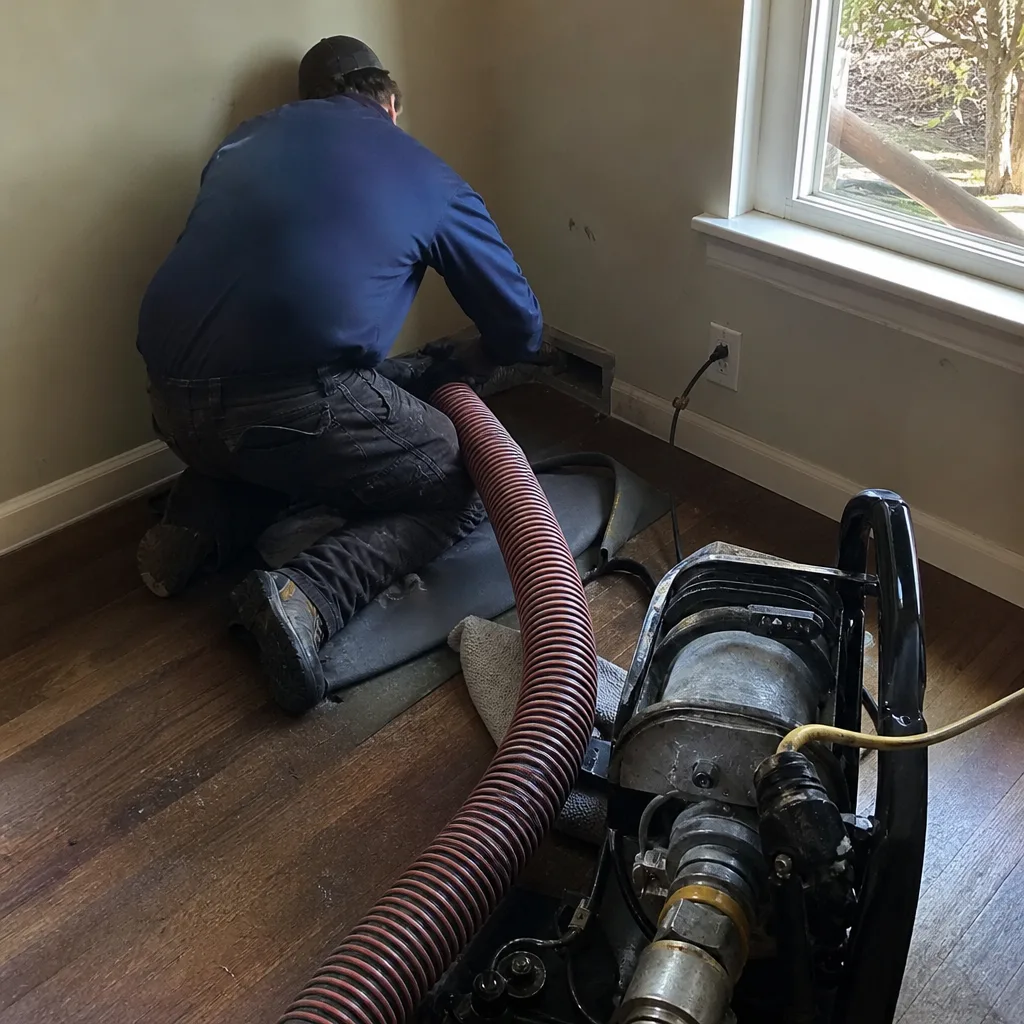 Before
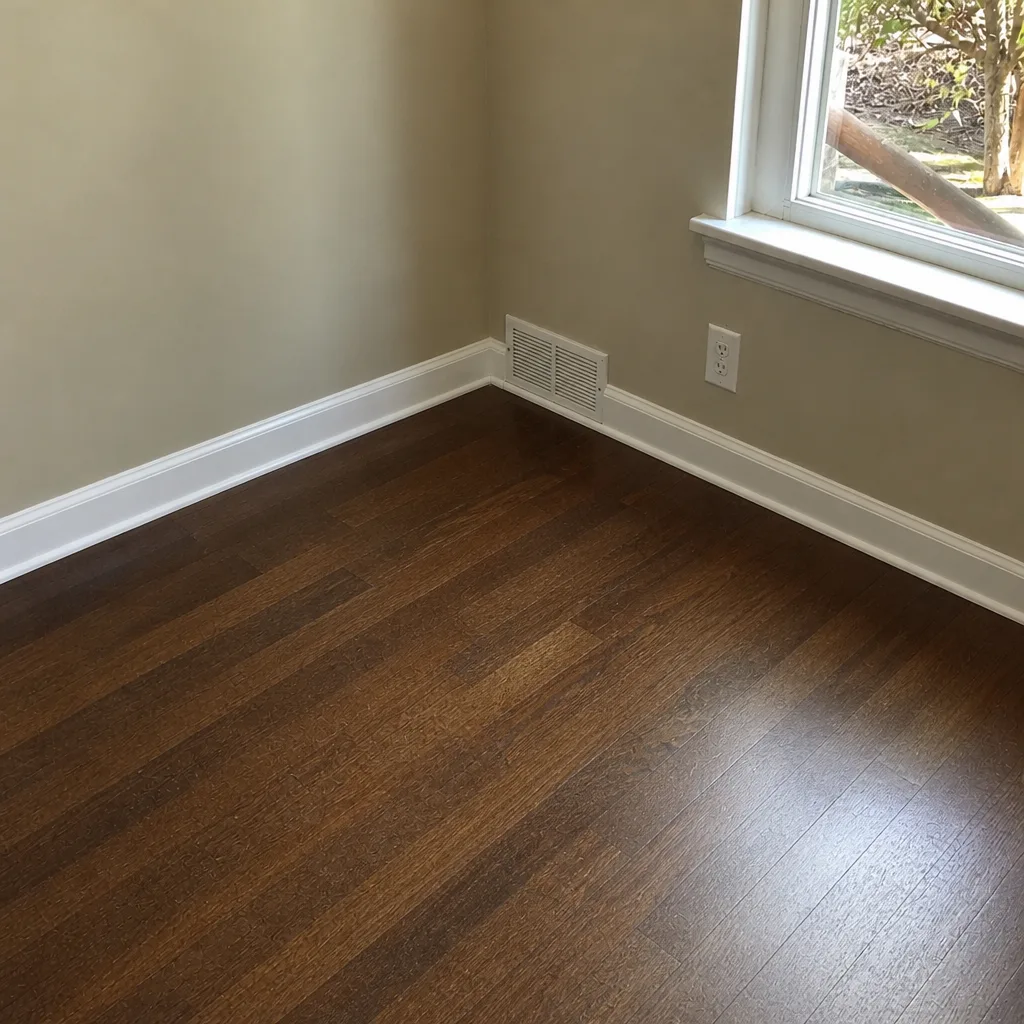 After
When to Call a Professional
Call a professional when you’re not sure which side of the permit line a particular job falls on. Visible dust accumulation, a musty smell when the system runs, recent allergy symptoms that track with the HVAC cycle, or an unexplained rise in energy costs are all signs that cleaning may help – and the same visit can identify whether any repair or sealing needs to happen, and whether a permit applies. Component failure, visible disconnected ducts, and returns pulling from unintended spaces are definitely calls, not do-it-yourself work. Duct systems are mechanical components: an improperly reconnected section can create more problems than the one it solved. Air Duct Cleaning Capitol Hill offers free estimates in Capitol Hill – call (855) 970-9419 to schedule one. Our technicians have up to 13 years of experience reading systems in this neighborhood’s housing stock, and they’ll walk you through what your specific job would involve, including any permits.
Frequently Asked Questions
No. Cleaning an existing air duct system does not require a permit in Washington State. The permit requirement attaches to mechanical alterations – duct replacement, plenum modifications, new component installations – not to cleaning. If a job is described as “cleaning,” a permit typically isn’t required; if it’s described as sealing the system, replacing components, or installing equipment, ask whether a permit applies. Call (855) 970-9419 for a scope review – estimates are free.
Usually because they’re not the same job. A very low quote often reflects consumer-grade equipment, a quick surface pass, and no filtration, which is why the cheapest option rarely delivers a measurably cleaner system. Professional cleaning uses negative-pressure equipment from brands like Rotobrush and Nikro with Abatement Technologies filtration – the class of tooling that pulls debris out of the system rather than moving it around. Ask what equipment will be used before comparing prices. Call (855) 970-9419 for an honest scope-based estimate.
System-wide duct sealing performed as a modification to the mechanical system generally requires a mechanical permit through SDCI under WAC 51-52. Targeted mastic on a specific joint during a routine cleaning visit is typically treated as maintenance and doesn’t. The distinction is about the intent and scope of the sealing work, not the label on the invoice. Ask the contractor which category your specific job falls into. Call (855) 970-9419 to talk through it – estimates are free.
The licensed contractor performing the work pulls the permit from SDCI before starting. The homeowner is not usually the applicant. What matters for you is that the permit is issued in the right name, for the right scope, before work begins. Ask for the permit number once it’s issued – a straightforward request that a properly licensed contractor will answer without hesitation. Call (855) 970-9419 if you want a second opinion on whether your project needs one.
Before-and-after photos of your specific ducts, taken during the visit, plus a signed scope that says what was cleaned and what equipment was used. Stock images and “trust us” don’t demonstrate the work; photos of your system do. This is also the reason we work with professional equipment rather than consumer tools – the equipment is part of the reason the work can be shown and verified. Call (855) 970-9419 to schedule a documented cleaning.
There’s no universal schedule. The honest answer depends on the home – its age, its system condition, whether pets are present, recent renovation, and whether there’s been water intrusion. Many Capitol Hill homes do fine with cleaning every few years, while older properties or homes with ongoing dust or odor issues may benefit from more frequent visits. What matters more than a fixed interval is an honest assessment on the first visit. Call (855) 970-9419 for a free inspection and a straight answer about whether cleaning is actually needed right now.
The Bottom Line
Cleaning ductwork in Capitol Hill is a no-permit service. Everything that changes the system – replacing sections, modifying plenums, adding components, sealing the system as a whole – falls under WAC 51-52 and requires a mechanical permit through SDCI. The permit question isn’t a technicality; it’s the item that follows the property through resale, inspection, and negotiation. The defense is simple: get the scope in writing, ask the permit question before work starts, verify contractor registration, and keep the documentation. If you’re not sure which side of the line your job falls on, we can help you figure that out before any scope is signed. Air Duct Cleaning Capitol Hill is a full-service indoor air quality specialist, with professional Rotobrush and Nikro cleaning systems, Abatement Technologies filtration, and Aprilaire and Honeywell air quality products available for post-cleaning upgrades. One call covers the full system: cleaning, sanitizing, repair, and sealing. Call (855) 970-9419 for a free estimate. We answer 24/7. Fast dispatch from 7am to 7pm, Sunday through Friday.
Written by the team at Air Duct Cleaning Capitol Hill.