
Last updated November 22, 2026
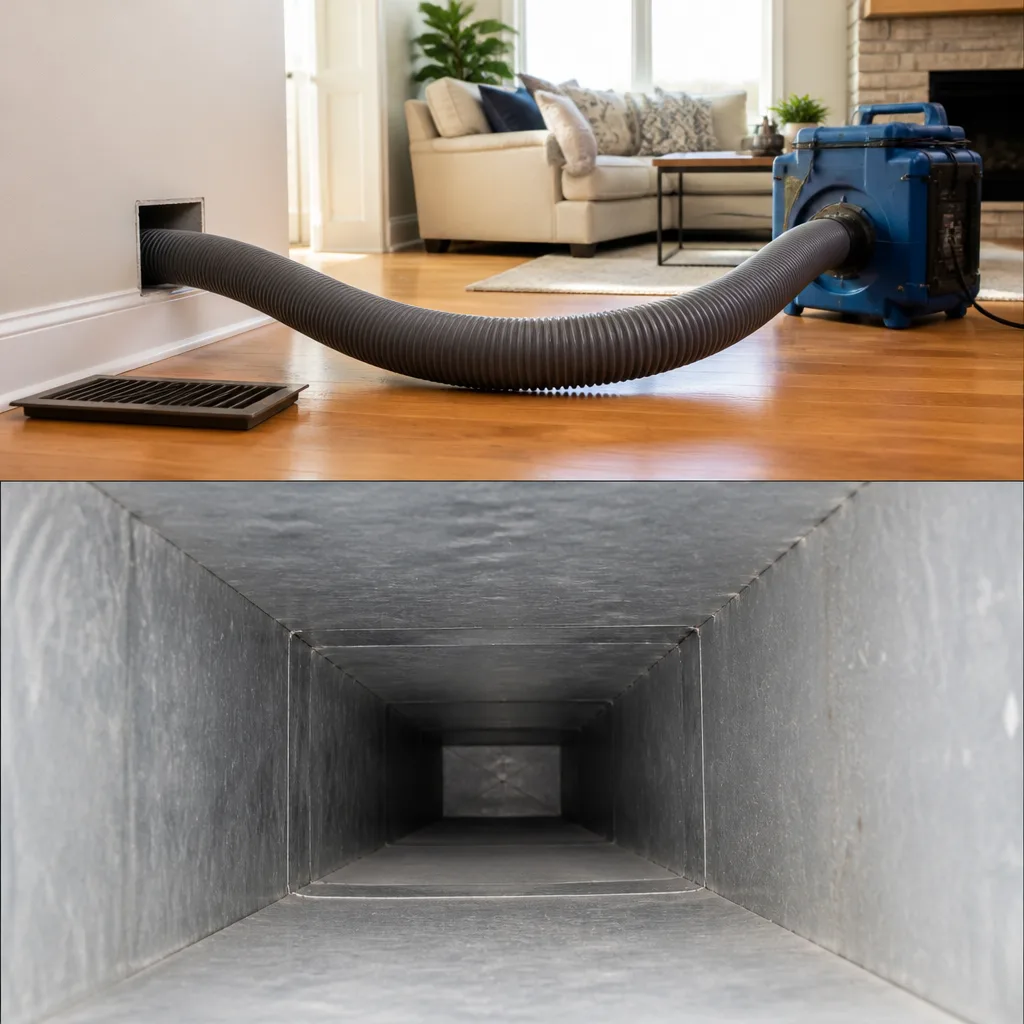 Whole-home duct cleaning
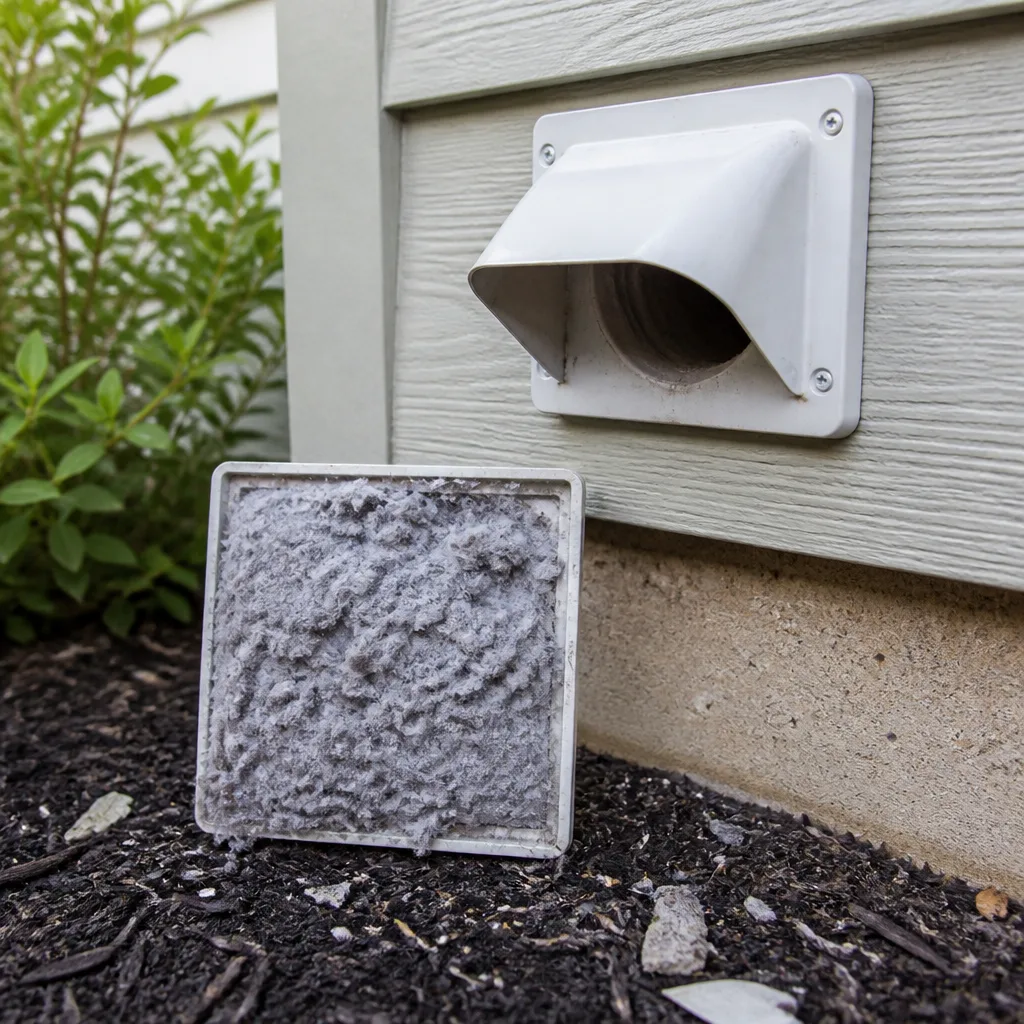 Dryer vent cleaning
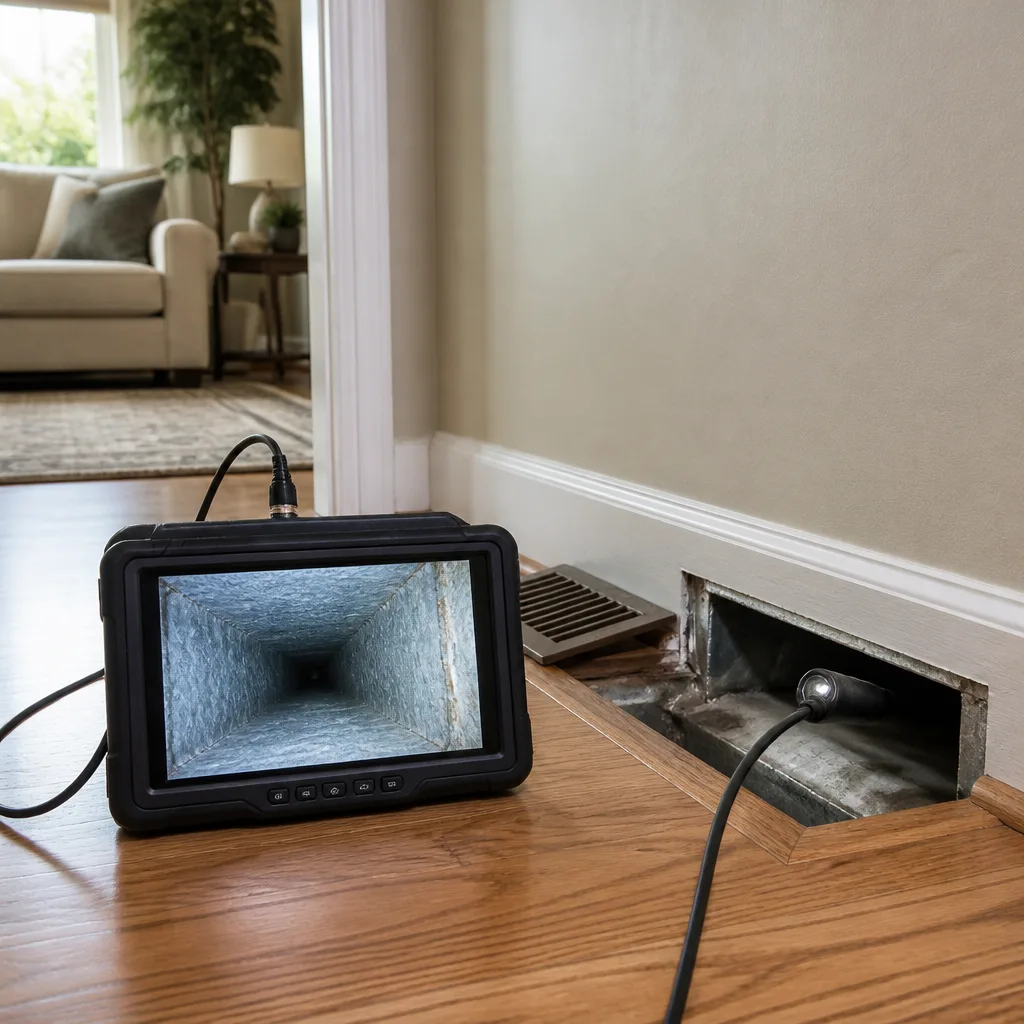 Camera inspection
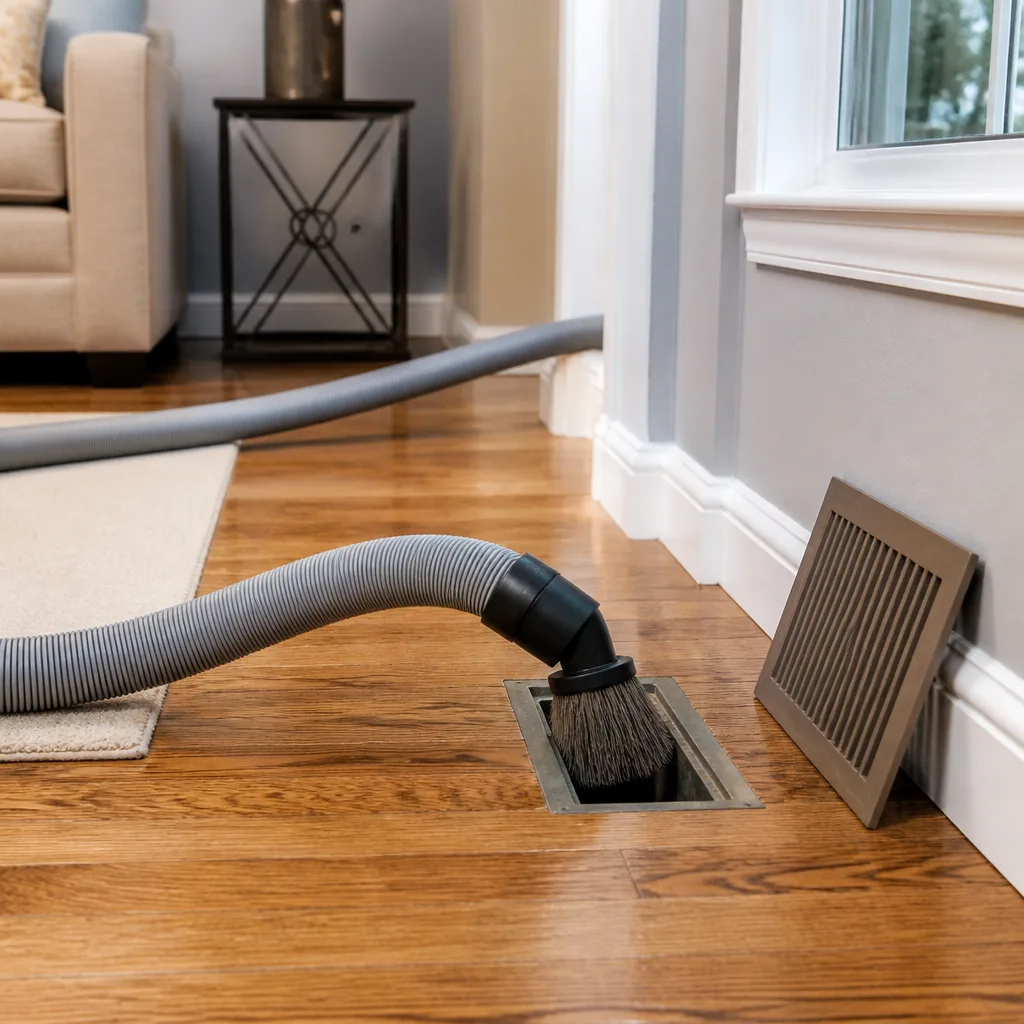 Sanitizing & deodorizing
Whole-system duct and dryer vent check with before-and-after photos - you see exactly what came out of your vents
That "$99 whole-house special" is a bait ad - the real number appears once they are in your hallway, or the "clean" is a shop-vac at the register. We photograph the inside of your ducts before and after instead.
Air Duct Cleaning Warning Signs: A Capitol Hill Homeowner’s Reference Guide
A 15% drop in airflow at your furthest register isn’t a minor annoyance. It’s a measurable indicator of restriction inside the duct system, and if the same restriction were happening in your arteries, a doctor would call it a clinical finding. Most homeowners in Capitol Hill are watching for the wrong signals entirely. They wait for visible mold on a vent cover or a system that stops blowing air, when the honest early indicators are quieter: a register that feels weaker than the rest, a musty burst at startup, dust that settles faster than it used to. This guide walks through what those subtle behaviors actually mean, how to separate a dirty system from a damaged one, and what a real inspection looks like before you spend money on cleaning you may not need. We cover the visual sequence, a simple airflow comparison test, and the Capitol Hill triggers that push duct systems harder than most.
Quick Answer
The most reliable air duct cleaning warning signs are a measurable airflow difference between registers, a musty odor that appears only during system startup, visible dust streaking near supply vents, and dust that resettles within days of cleaning. Visible mold or total airflow loss are late-stage signals, not early ones. If you notice the subtle indicators first, a professional inspection can confirm whether the problem is accumulated debris or a mechanical fault before you commit to any work.
Styles & brands we work with
- Whole-home duct cleaning
- Dryer vent cleaning
- Camera inspection
- Sanitizing & deodorizing
Table of Contents
- The Subtle Signs Most Homeowners Miss
- Dirty Ducts vs. Broken Ducts: Why the Difference Matters
- How to Run a Register Airflow Comparison Test
- Why Musty Odor at Startup Is the Strongest Mold Signal
- Capitol Hill Triggers: Renovation Dust, Old Buildings, Urban Soot
- The Visual Inspection Sequence: Registers, Plenum, Blower Wheel
- What ‘Normal Accumulation’ Looks Like vs. What Needs a Pro
- When to Call a Professional
The Subtle Signs Most Homeowners Miss
Duct problems announce themselves in behavior, not in drama. A homeowner scanning for warning signs usually looks at the vent cover, sees nothing alarming, and moves on. But the vent cover is the least informative part of the system. The register is where air exits, not where contamination starts, so a clean-looking grille tells you almost nothing about the inside of the run behind it.
What actually signals a duct system that’s carrying more debris than it should:
- Uneven airflow between registers. The supply closest to the air handler typically blows strongest. If your far register feels noticeably weaker than it did a season ago, that’s a restriction indicator, not a quirk of the layout.
- Dust returning within days of cleaning. Wiping a room down and finding a fresh film in under a week points to a system that’s recirculating debris rather than filtering it out.
- Musty odor that appears only at startup. This is the signal most people misread, and we walk through it below.
- Dust streaks on the ceiling near supply vents. A faint dark halo around a register means air with a heavy particulate load is escaping at the edge, not just through the grille.
- Higher energy bills without a change in usage. Restriction makes the blower work harder to move the same air. That load shows up on your bill before it shows up anywhere else.
- Visible pest evidence. Droppings, gnaw marks, or nesting material near a return grille in an older building is a duct-contamination story, not just a pest story.
None of these require you to open anything or climb anywhere. They’re things you notice while living in the house. That’s the point. The earliest duct warning signs are the ones that show up in daily behavior, not in a dramatic visual.
Dirty Ducts vs. Broken Ducts: Why the Difference Matters
This is the distinction that separates a smart homeowner from one who either wastes money on unnecessary cleaning or misses a real repair. Cleaning solves accumulated debris. It does not solve a disconnected joint, a crushed flexible run, or a leaking seam. Confusing the two is expensive in both directions.
Here’s how to think about it:
- A dirty system shows broad symptoms. Dust across multiple rooms, a mild musty smell, gradual airflow loss. The system still moves air, it just moves dirt with it.
- A broken system shows localized symptoms. One room never gets air. One register blows noticeably cold or hot compared to its neighbors. A tapping or rattling noise starts up when the blower kicks on.
- Leaky joints create a third category: dust intrusion. A gap in a return-side joint pulls air from unconditioned space, including attic or crawlspace dust. If you clean the ducts and the joint stays open, the contamination returns. That’s why duct repair and sealing has to be part of the same conversation as cleaning.
In our experience, targeted air duct cleaning resolves the broad symptoms cleanly. The localized ones need a professional to trace the specific run and confirm whether a repair is required. A specialist diagnoses first, then cleans. A generalist cleans first and hopes the symptom goes away.
One more point on the energy side. A leaky return in an older Capitol Hill building pulls unconditioned air into the system, and your furnace or heat pump pays to condition it. Sealing that leak isn’t a cosmetic upgrade. It’s an efficiency fix, and Air Duct Cleaning Capitol Hill treats it as a core part of the job rather than an afterthought.
How to Run a Register Airflow Comparison Test
You can measure relative airflow at your registers with a piece of tissue and five minutes. It won’t give you a pressure reading, but it will tell you whether one register is meaningfully weaker than the others, which is the comparison that matters.
- Turn the system to fan-on. You want steady airflow, not cycling. If your thermostat has a fan-only setting, use it.
- Hold a single square of tissue flat against each supply register. Let it settle for a few seconds before judging.
- Note how strongly the tissue is pulled or fluttered at each register. Use a simple scale: strong, moderate, weak. Don’t try to be precise. You’re looking for outliers.
- Repeat for the returns. A return that can’t hold a tissue with any strength is commanding less air than the system is trying to push out.
- Compare across rooms. The far end of the trunk is naturally a little weaker. A 15% perceived difference is normal. A register that feels half as strong as its neighbors is not.
What the readings mean: if one register is weak and the rest are fine, the restriction is likely between the trunk and that register, a crushed run in a wall cavity or a damper that’s partly closed. If every register is weak, the problem is upstream: a partially blocked main trunk, a dirty filter, or a blower that’s losing efficiency. Neither of those is a cleaning-only problem, and neither is something a shop vacuum can fix.
That’s the difference between the tools a generalist brings and the tools a specialist brings. Professional-grade HVAC cleaning equipment is built to reach through the trunk and read what’s actually happening inside it, not just brush what’s visible at the grille.
Why Musty Odor at Startup Is the Strongest Mold Signal
A musty smell you notice only in the first thirty seconds after the blower starts is more diagnostic than a persistent odor. That sounds counterintuitive, so let’s walk the mechanism.
A persistent musty smell means contamination is sitting in a location that’s continuously exposed to room air: a return grille face, a filter, or an open plenum. Those are easy to spot and easy to address. A startup-only smell points somewhere else entirely. When the system is off, air in the duct sits still against the contaminated surface, absorbing odor. When the blower kicks on, it pushes that first pocket of odor-laden air into the room all at once. Then the smell fades as the system runs, because clean air is already moving past the contamination.
That startup signature tells you the contamination is inside the duct run itself, on a surface that only gets exposed to moving air when the system runs. It’s the classic sign of mold or biological growth on the interior of a duct lining, an evaporator coil, or a plenum that stays damp between cycles.
A persistent smell plus a startup smell usually means two distinct problems: contamination inside the run, and contamination in the filter or grille. Both need addressing, and only one responds to a simple filter change.
If you notice a startup smell, don’t wait for it to become a persistent smell. That progression typically means the growth has spread to a larger interior surface. Have the system assessed before it does. This is where professional filtration class matters. Equipment built for contamination control, like the Abatement Technologies filtration standard, is designed to capture what a normal shop vacuum releases back into the air.
Capitol Hill Triggers: Renovation Dust, Old Buildings, Urban Soot
Capitol Hill runs its duct systems harder than a lot of the region does. Three specific local patterns show up again and again.
Renovation dust. This neighborhood sees steady remodel activity, and any renovation inside a connected building pushes fine drywall dust, insulation fibers, and sawdust into the duct system through return grilles. A sealed room doesn’t solve it, because the system is still drawing air from the surrounding space. Homes renovating a floor above or below often find the debris shows up at basement-level returns weeks later. If a neighbor’s remodel or your own project wrapped up recently and your dust levels haven’t settled, that’s likely why.
Pest evidence in older building stock. Capitol Hill’s housing includes a lot of older structures with crawlspaces, unconditioned attic runs, and original framing. Those are excellent entry points for rodents and insects. Droppings and nesting material inside a duct run aren’t just a pest problem. They’re a contamination source that a general pest treatment doesn’t reach. If you’ve had pest activity near a duct run, have the system inspected before you clean and sanitize it.
Urban soot accumulation. This is a dense, high-traffic neighborhood, and a return duct that draws from a street-facing room pulls in a different particulate load than one in a quiet suburban home. Fine soot binds to duct surfaces more stubbornly than typical household dust, especially on the return side. Homes facing busy streets notice faster dust buildup for this reason.
Add in the older construction and the picture gets sharper. Ducts in pre-war and mid-century buildings were often built without any thought to sealing, and a joint that was tight fifty years ago may not be tight now. Wherever a duct is drawing air from unconditioned space, the house is drawing in whatever that space holds. Capitol Hill homes in older building stock are prime candidates for exactly the localized-symptom check we covered earlier.
The Visual Inspection Sequence: Registers, Plenum, Blower Wheel
You can inspect three zones without any tools beyond a flashlight. Work through them in this order, because each one tells you something the previous didn’t.
- The registers. Pop the grille off a supply vent. Look at the first inch of the interior. Light gray dust film is normal accumulation. Black, greasy soot, fuzzy growth, or caked material breaking away from the wall of the duct is a professional-call sign. Look at the return grille the same way. The return side usually looks worse, and that’s expected.
- The accessible plenum. This is the boxy section right above the air handler or furnace, where the trunk duct begins. It’s often accessible through a panel or a short reach. Look at the inside surface. A fine, even coat of dust is normal. Dark, sticky residue, streaking, or a visible musty growth at the seams means the contamination has reached the system’s center and hasn’t been cleaned in a long time. Also check the seams themselves: any joint with a visible gap lets unconditioned air in.
- The blower wheel. This sits inside the air handler, which usually requires a trained technician to access safely. From outside the unit, you can sometimes see the wheel through a sight gap. If you see heavy buildup on the blades, the wheel is unbalanced and moving less air than it should. If you can’t safely see it, don’t open the unit yourself. This is the zone most likely to hold the reason your airflow test showed a system-wide drop.
The visual inspection sequence works because each zone answers a different question. Registers tell you about the end of the run. The plenum tells you about the center. The blower wheel tells you whether the system is moving air at the rate it’s designed to. Skip any of the three and you’re guessing.
What ‘Normal Accumulation’ Looks Like vs. What Needs a Pro
Every duct system that moves household air collects dust. The goal isn’t a pristine interior. The goal is knowing when the accumulation has moved past normal and into the territory that affects air quality or system performance.
- Normal accumulation: An even, light gray film across surfaces. Thin enough that you can see the duct material underneath. Present on both supply and return sides, heavier on the return.
- Normal but worth monitoring: Slightly thicker film near return grilles, especially in homes with pets. Easily removed with a filter change once or twice a year.
- Professional intervention: Material you can see texture in. Caked or flaking debris. Dark residue, greasy streaks, or anything fuzzy. Visible gaps at joints. A musty smell at startup. Asymmetric accumulation on one run compared to its neighbors.
The judgment call most homeowners get wrong is cleaning when the system needs a repair. A crushed flexible run in a wall cavity will collect debris faster than the rest of the system and look, from the register side, like a dirty duct. Cleaning it makes the register blow air again, and the run collects fresh debris within weeks. The real fix is repair and resealing, which is why our approach treats duct repair and sealing as part of the same job rather than a separate bill after cleaning.
On the other side of the mistake: a homeowner sees no visible accumulation at a register and skips inspection entirely. That register might be the cleanest part of an otherwise loaded system. The register test is a starting point, not a diagnosis. When in doubt, an hour of professional assessment is cheaper than either a wrong cleaning or a missed repair.
See the difference
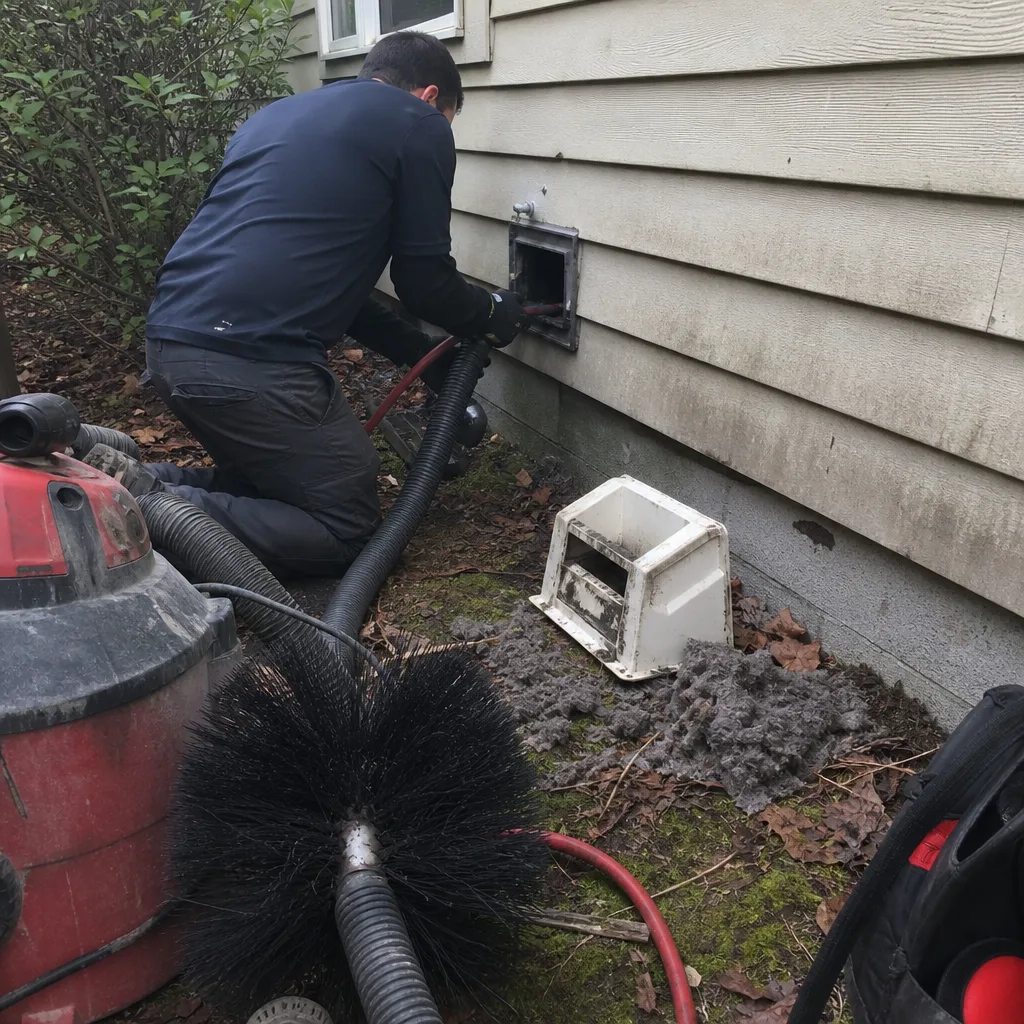 Before
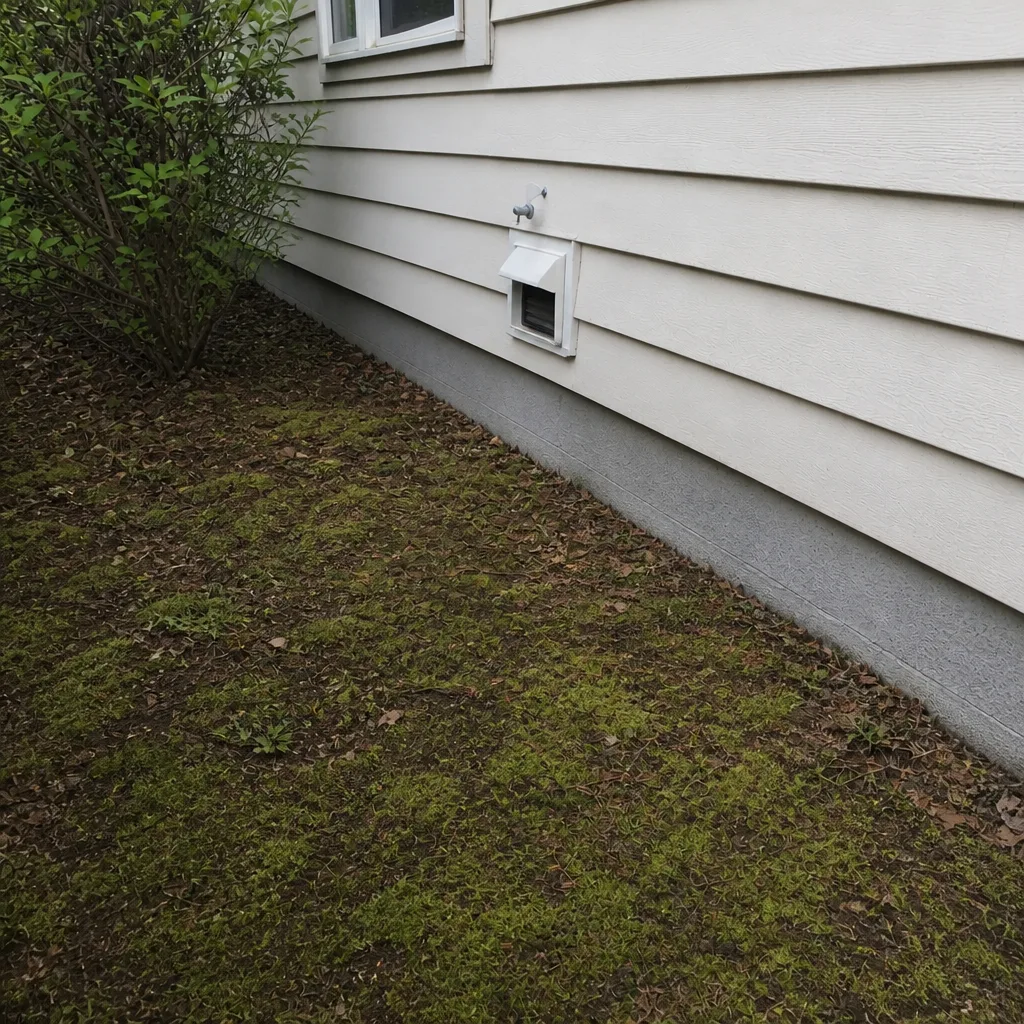 After
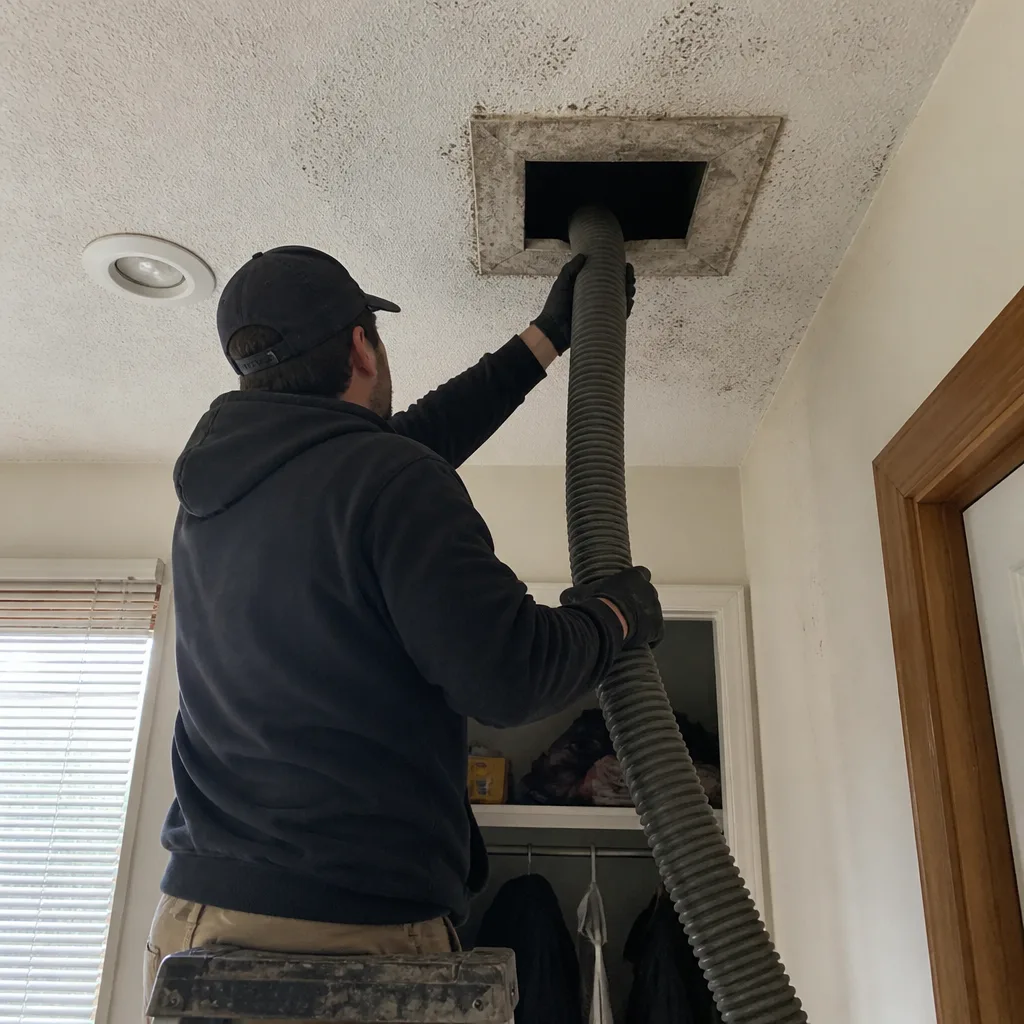 Before
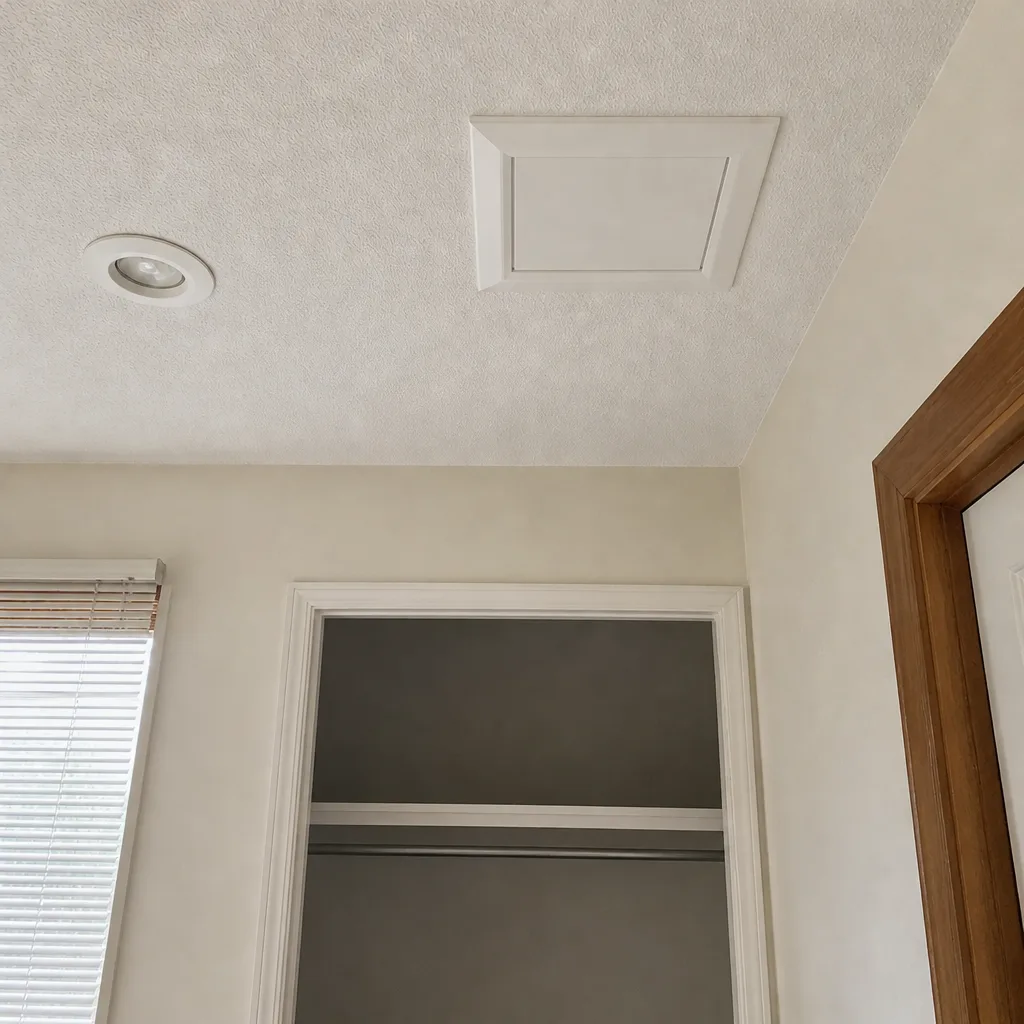 After
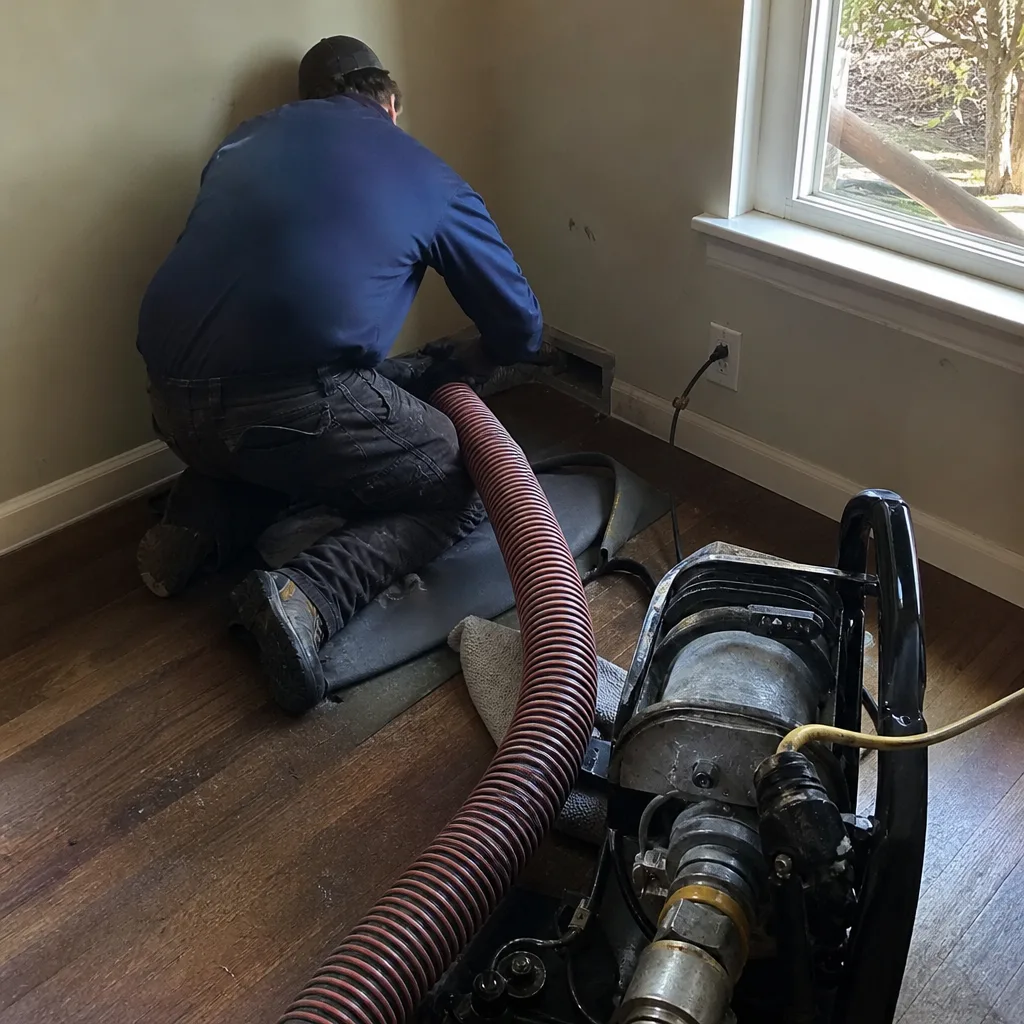 Before
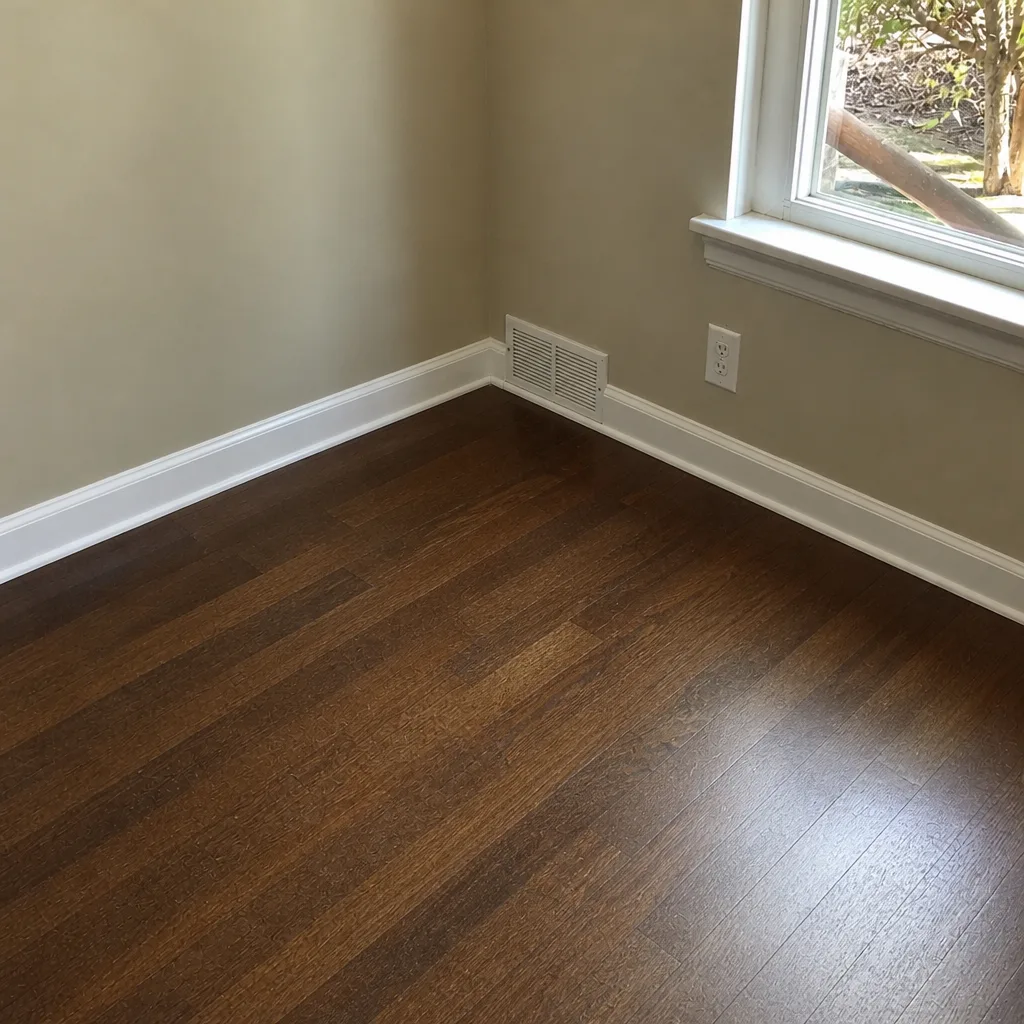 After
Common Mistakes to Avoid
- Cleaning before diagnosing. Cleaning is a treatment, not a diagnosis. The trouble with cleaning first is that you won’t know if the symptom was caused by debris or by a damaged run until it comes back. Diagnose the mechanical system first, then clean.
- Renting a consumer vacuum and brushing the registers. A shop vacuum pulls debris out of the register face but pushes fine particulate back into the room, which is the opposite of the goal. Professional duct cleaning uses containment filtration for a reason.
- Reading a persistent smell as a mold diagnosis. Persistent musty odor could be contamination in the filter, the grille, or a damp area outside the system. The startup signature is the reliable indicator. A persistent smell alone needs inspection, not a knee-jerk cleaning.
- Ignoring the return side. Homeowners inspect supply registers and forget the returns carry most of the intake. In older Capitol Hill buildings, the return grille is usually the dirtiest and most informative surface in the system.
- Sealing a leak before cleaning the duct. Sealing traps existing contamination inside a closed run with no way out. Clean first, then seal.
- Treating one weak register as a duct-cleaning problem. A single-register complaint often traces to a crushed run or a closed damper. Cleaning won’t fix it. Repair will.
- Overlooking the dryer vent as a separate system. Dryer vent lint is a fire risk and has nothing to do with the HVAC ducts. It’s one of the leading causes of residential fires and needs its own inspection, handled as a standalone dryer vent cleaning job.
When to Call a Professional
Bring in a specialist when any of these describe what you’re seeing:
- A musty odor appears in the first thirty seconds after the blower starts, every time.
- Airflow at a register has dropped noticeably compared to a season ago and hasn’t recovered.
- You can see texture, flaking, or dark residue inside a supply or return register.
- Any run in the system shows pest evidence: droppings, gnaw marks, or nesting material.
- A renovation in the building finished recently and your indoor dust levels haven’t settled since.
- Your energy bills have climbed with no change in usage, and you’ve already ruled out the usual causes.
Our technicians have up to 13 years of experience identifying which of these symptoms calls for cleaning and which calls for inspection and repair. A specialist can tell the difference in one visit. Air Duct Cleaning Capitol Hill offers free estimates in Capitol Hill. Call (855) 970-9419. We answer 24/7. Fast dispatch from 7am to 7pm, Sunday through Friday.
Frequently Asked Questions
Most whole-system air duct cleaning in Capitol Hill falls into a range set by the size and layout of the duct system, the number of supply and return runs, and whether repair or sealing is needed. We price each system as one flat job rather than per vent, so the estimate you get before work starts is the number you pay. Call (855) 970-9419 for an exact quote. Estimates are free.
Because per-vent pricing lets a low headline number grow once the technician is on site. A bait quote of a few dollars per vent often turns into a much larger invoice once the technician tells you the ducts “need more work than expected.” We quote one flat price per system before work starts and show before-and-after photos of your own ducts when the job is done. That’s the honest version of the comparison. Call (855) 970-9419 for a real estimate.
Ask any provider for before-and-after photos of your system, and ask what equipment they bring. Commercial-grade equipment from Rotobrush, Nikro, and Abatement Technologies leaves visible evidence, and containment filtration means the debris goes into a bag, not back into your room. A provider who can’t show you the interior before and after hasn’t proven the job. Call (855) 970-9419 to schedule a free estimate.
Most Capitol Hill homes with pets, older building stock, or a recent renovation benefit from inspection every few years, and cleaning when the inspection shows it’s needed. Homes without pets or recent renovation can go longer. The mistake is setting a fixed calendar rather than checking the system. Call (855) 970-9419 to have the system assessed on its actual condition.
No. A persistent musty smell can come from the filter, a grille face, or a damp spot outside the duct. A musty smell that appears only during the first half-minute after the blower starts is far more reliable as a mold indicator, because it points to contamination inside the run itself. Call (855) 970-9419 if the startup signature is your pattern.
Older buildings tend to have unsealed joints and duct runs through unconditioned space, so they pull in more outside air and more dust. That, plus the neighborhood’s steady volume of renovation work, means Capitol Hill ducts often collect debris faster than ducts in newer construction. Sealing and repair, alongside cleaning, addresses it at the source. Call (855) 970-9419 for an on-site look.
The Bottom Line
The warning signs that matter most are the ones you notice while living in the house: a weaker register, a startup smell, dust that comes back too fast, a bill that’s crept up with no explanation. Visible mold and total airflow loss are late-stage signals. By the time you see those, you’ve missed the early window. If any of the subtle signs above describes your Capitol Hill home, the right next step is a professional inspection that separates a dirty system from a damaged one. Cleaning fixes one. Repair and sealing fix the other. Getting the diagnosis right is what saves you money. The team at Air Duct Cleaning Capitol Hill can sort which one you’re looking at.
Call (855) 970-9419 for a free estimate. We answer 24/7. Fast dispatch from 7am to 7pm, Sunday through Friday.
Written by the team at Air Duct Cleaning Capitol Hill.