
Last updated November 22, 2026
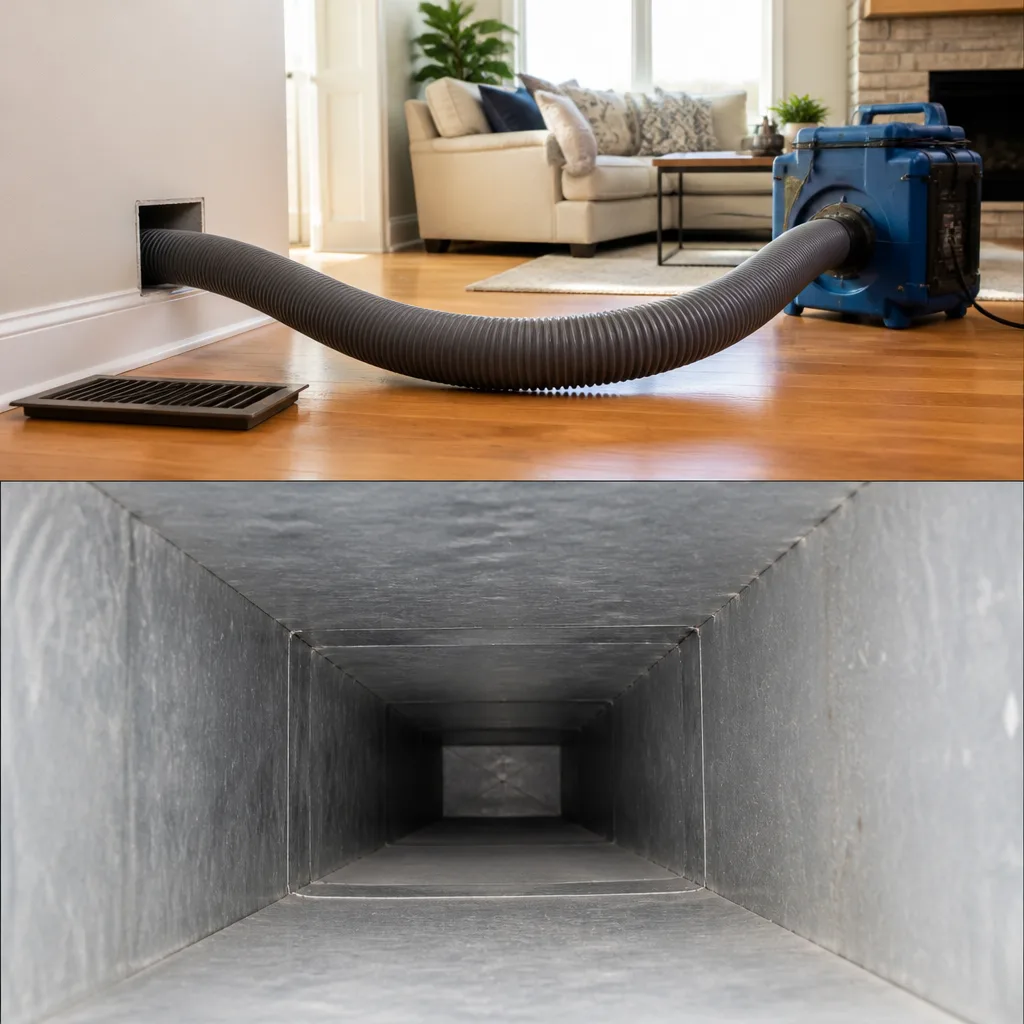 Whole-home duct cleaning
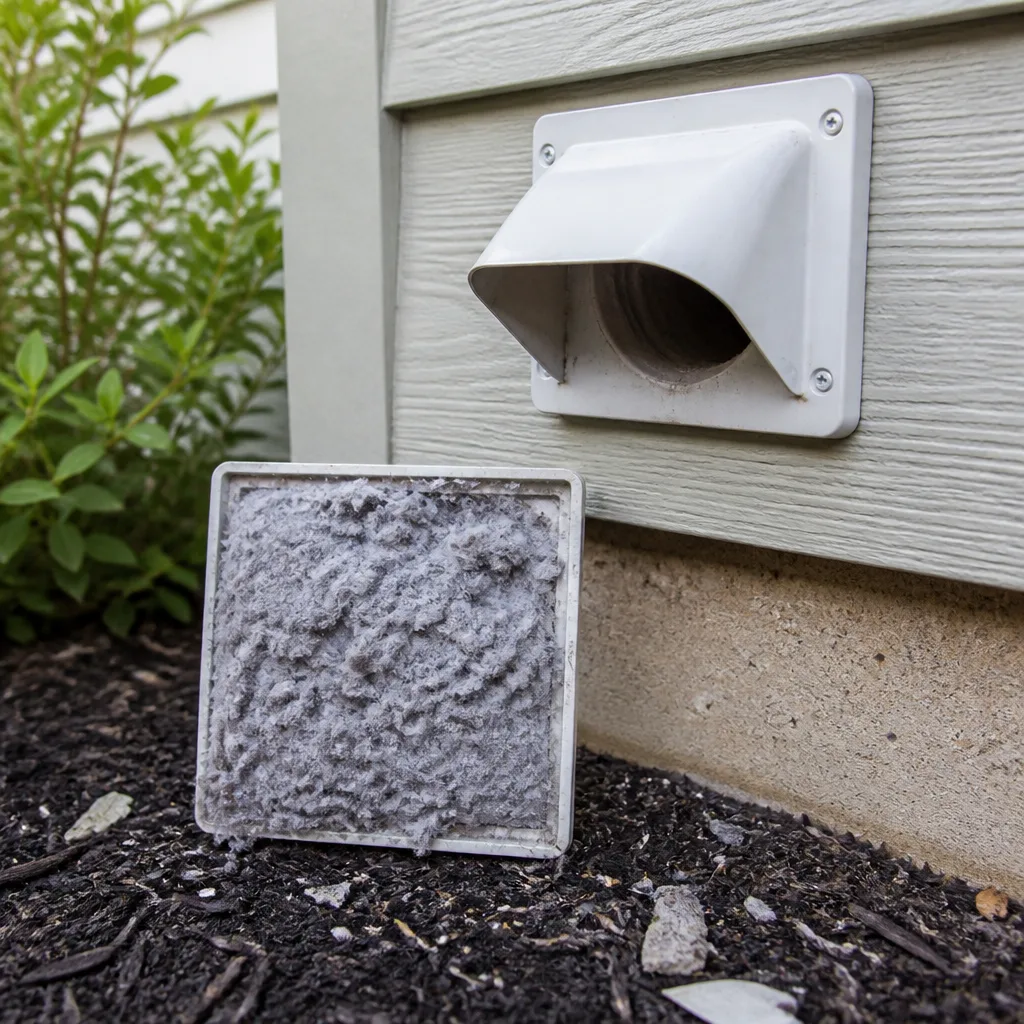 Dryer vent cleaning
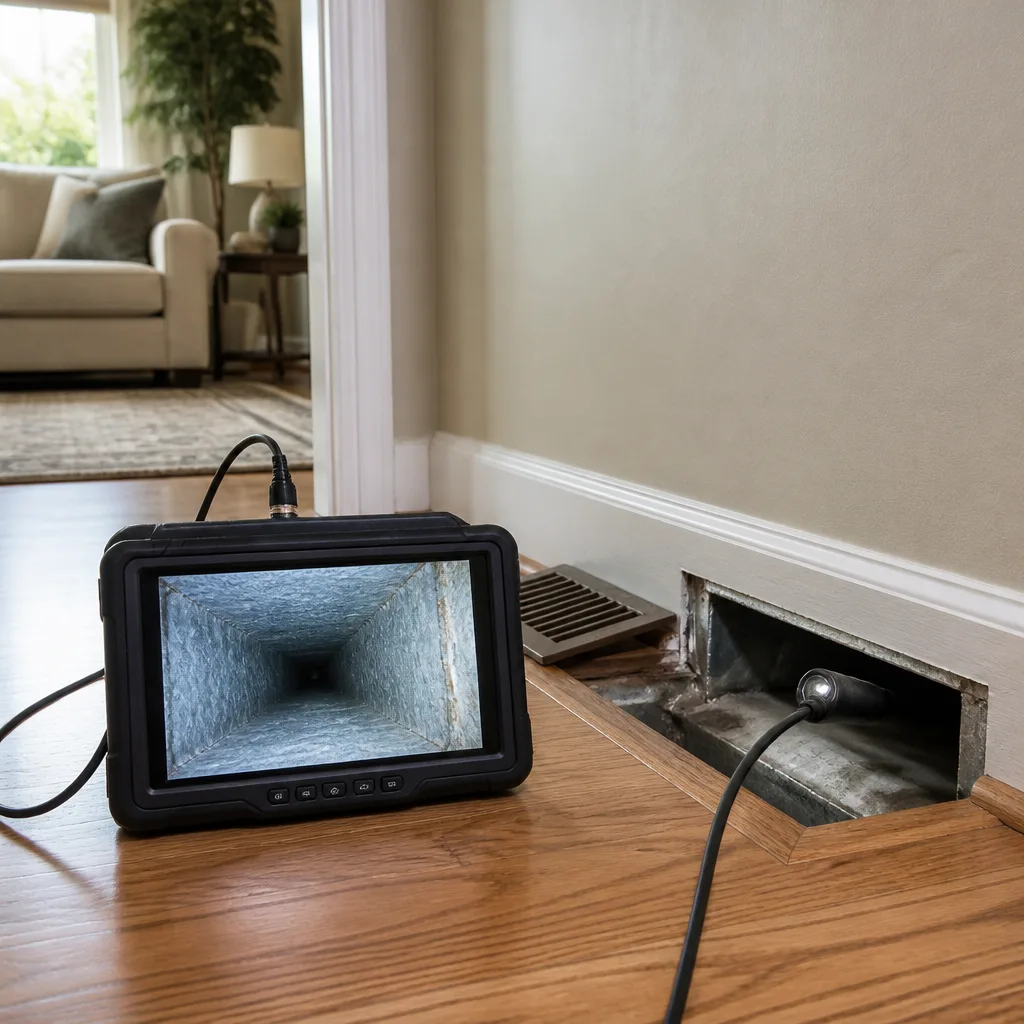 Camera inspection
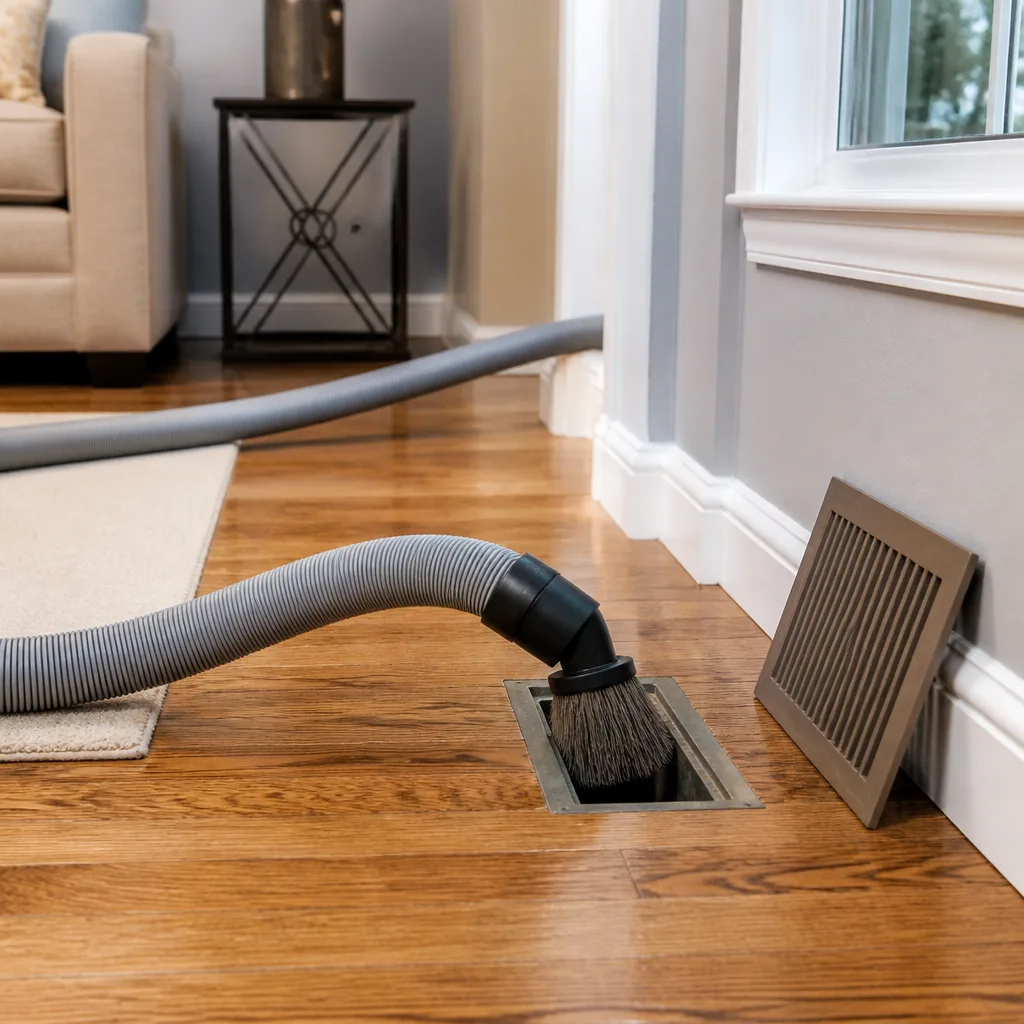 Sanitizing & deodorizing
Whole-system duct and dryer vent check with before-and-after photos - you see exactly what came out of your vents
That "$99 whole-house special" is a bait ad - the real number appears once they are in your hallway, or the "clean" is a shop-vac at the register. We photograph the inside of your ducts before and after instead.
The Complete Guide to Air Duct Cleaning in Capitol Hill
Most duct cleaning guides are written as if every home has the same system installed in the same climate. Capitol Hill tells a different story. The housing here runs from pre-1950 Craftsmans and converted apartment buildings to newer condos, and each one hides a different duct layout, a different duct material, and a different set of problems. Seattle’s marine air and its shoulder seasons add condensation windows that a generic guide never mentions. This guide treats those local realities as the starting point, not an afterthought. You’ll learn how Capitol Hill’s building stock shapes the work, why extraction matters more than brushing, and how to tell a real cleaning job from a quick pass with a shop vacuum.
Quick Answer
Air duct cleaning in Capitol Hill means removing accumulated dust, debris, and biological growth from the entire duct system using negative-pressure extraction and professional-grade equipment, then verifying the result against a measured standard rather than a visual glance. In this neighborhood’s older and denser buildings, that usually means assessing duct material and layout first, because pre-1960 systems behave very differently from modern flexible duct. Cleaning alone is often half the job; sealing leaks and sanitizing the system is what keeps it clean.
Styles & brands we work with
- Whole-home duct cleaning
- Dryer vent cleaning
- Camera inspection
- Sanitizing & deodorizing
Table of Contents
- Why Capitol Hill’s Building Stock Changes the Whole Job
- The Particulate Load in Capitol Hill: Wildfire Smoke, Traffic, and Urban Dust
- Negative Pressure Extraction vs. Brush-and-Blow
- Visual Inspection vs. a Measured Cleanliness Standard
- Seattle’s Shoulder Seasons and Condensation Inside Ducts
- Duct Repair and Sealing: Clean Ducts Are Only Half the Job
- One Call Covers the Full System
- What Air Duct Cleaning Costs in Capitol Hill
Why Capitol Hill’s Building Stock Changes the Whole Job
Capitol Hill’s housing inventory is unusually varied for a single Seattle neighborhood. Within a few blocks you’ll find 1920s Craftsmans with original sheet-metal ductwork, mid-century apartment conversions where a single furnace feeds several units through a maze of chases, and newer condos with tight flexible duct runs. Each of those systems needs a different approach. There’s no single method that works across all of them.
Older sheet-metal systems in Capitol Hill homes are typically rigid, with seams and joints that collect dust at every transition. They’re durable, but they leak. That leakage pulls unfiltered attic or crawlspace air into the supply side, which is one reason a pre-1960 home can look clean inside the register and still push dust into the living room. Modern flexible duct is smoother but more fragile; an aggressive rotary brush run at the wrong pressure can tear the inner liner, which is worse than leaving the dust alone. Understanding which system you have is the first decision point, not a footnote.
Dense multi-unit buildings on Capitol Hill add another layer. A property manager dealing with a shared system has to think about how one unit’s ductwork connects to another, how the return path works, and whether contamination is traveling between units. In our experience, that’s where generalist HVAC companies often stop short, because the job isn’t a simple one-furnace clean.
- Pre-1960 sheet metal: rigid, seam-heavy, prone to leakage at joints; responds well to rotary agitation plus strong extraction.
- Flexible duct (newer condos): smooth interior but fragile liner; requires controlled brush speed and air pressure.
- Converted apartment systems: shared chases, irregular runs, and cross-unit contamination risk; needs a careful assessment before cleaning starts.
The practical takeaway: before any cleaning happens in a Capitol Hill home, someone should confirm the duct material, the number of runs, the condition, and the return layout. That inspection is what separates a real cleaning from a brush run through the visible registers.
The Particulate Load in Capitol Hill: Wildfire Smoke, Traffic, and Urban Dust
Capitol Hill loads its ducts faster than a suburban home, and there are a few specific reasons. Wildfire smoke from late-summer smoke events drifts across the Puget Sound region and settles into duct systems, especially when windows are open during a warm spell. Traffic along Broadway and the 12th Ave corridor produces fine particulate that works its way into return air. And the neighborhood’s dense housing means dust from nearby construction and renovation travels short distances into neighboring systems.
What does that mean for cleaning intervals? A suburban home on a large lot might get by with a multi-year gap between cleanings. A Capitol Hill home facing Broadway, with windows open through smoke season, can accumulate a comparable load in a much shorter window. The right interval depends on the specific building, but the neighborhood context is why a fixed “every X years” recommendation doesn’t hold up here.
- Wildfire smoke season: fine ash and smoke particles settle in return ducts and on filter faces.
- Broadway and 12th Ave traffic: fine particulate from vehicle exhaust and road dust enters return air during open-window months.
- Dense construction and renovation: nearby building work sends drywall dust and debris into shared air.
- Urban pollen load: street trees and garden plantings in a compact neighborhood push pollen into return air each spring.
You can’t eliminate urban particulate in Capitol Hill. What you can do is clean the system to a measured standard, seal the leaks that let unfiltered air in, and consider a filtration upgrade afterward. That’s a system-level response to a neighborhood-level problem, which is the standard we hold ourselves to.
Negative Pressure Extraction vs. Brush-and-Blow
Here’s the single biggest difference between a real duct cleaning and a quick pass: negative-pressure extraction. With this method, a high-powered vacuum creates negative pressure inside the duct system so that everything loosened by agitation gets pulled toward the collection point instead of blowing into your living room. Brush-and-blow methods do the opposite. They stir up debris and rely on the HVAC fan or a shop vacuum to move it, which often just redistributes dust into the air you breathe.
In a Capitol Hill home, that distinction matters more than it does in a newer build. Older ductwork has more seams, more joints, and more places for loosened debris to settle. A brush-and-blow cleaning can actually make a pre-1960 system dirtier by pushing dust into the corners of the duct where it never gets pulled back out. Professional-grade equipment like the Rotobrush and Nikro systems we use in Capitol Hill is built for controlled agitation with real extraction, not for stirring the pot.
Abatement Technologies air filtration equipment adds a second layer. That’s a remediation-class standard typically reserved for restoration and mold-remediation work, and it’s what keeps airborne contamination contained during the job. It’s also why we reach for professional-grade equipment and skip consumer-grade shop vacuums entirely: in a Capitol Hill home, small tools leave the real problem in place.
- Seal and stage: registers are covered and the work area is protected before any equipment runs.
- Create negative pressure: a high-powered extraction unit pulls air out of the system, so loosened debris moves toward the collection point.
- Agitate with controlled tools: rotary brushes and air whips loosen debris from duct walls at a pressure matched to the duct material.
- Filter and contain: filtration equipment captures fine particulate so it doesn’t enter the living space.
- Verify and document: before-and-after photos and a visual check confirm the work actually happened.
That’s the standard we hold. Anything less and you’ve paid for dust to be moved, not removed.
Visual Inspection vs. a Measured Cleanliness Standard
One of the most useful questions a Capitol Hill homeowner can ask a duct cleaning company is this: how do you verify the job is done? A visual inspection pass shows a technician a register and the first few feet of duct. That’s not a cleanliness standard; it’s a glance. The NADCA ACR standard (Assessment, Cleaning, and Restoration) sets a more rigorous baseline: the system is assessed before work, cleaned to a defined standard, and verified afterward rather than assumed.
In practice, that means asking whether the company photographs before and after, whether they explain what was cleaned and what wasn’t, and whether they can tell you what the ducts looked like when they finished. If a crew brushes the visible registers and calls it done, the deep seams and return runs above a Capitol Hill Craftman’s hallway are still holding the same debris. We know because a visual pass on a pre-1960 system almost always reveals more than it catches on a modern one.
- Visual pass: a quick look at registers and the first section of duct; useful as a starting point but not verification.
- Measured standard: assessment before work, cleaning to a defined standard, and photographic verification after.
- What to ask for: before-and-after photos of your own ducts, a written scope of what was cleaned, and a plain explanation of any area that wasn’t addressed.
That last part is where a lot of Capitol Hill homeowners get burned. A cheap quote that doesn’t include verification means you’ll never know whether the deep seams were touched. Our rule is simple: if you can’t see it in a photo, the work didn’t happen.
Seattle’s Shoulder Seasons and Condensation Inside Ducts
Seattle’s shoulder seasons – the transition periods in spring and fall when days warm and evenings cool – create a specific risk in duct systems: condensation. When warm, moist air meets a cooler duct surface, moisture collects. In older Capitol Hill homes, especially those with poorly sealed returns, that moisture can linger for days inside a duct run. Where it lingers, mold colonization accelerates.
Timing matters. Cleaning a system before the shoulder-season condensation window, and addressing any leaks or sealing issues, is better than cleaning after moisture has already colonized the surface. If a system shows standing moisture or visible growth, cleaning alone won’t fix it; sanitizing and sealing the entry points is what stops it from returning. We bridge that gap with Aprilaire and Honeywell air quality products, which is a different job than brushing and vacuuming and a necessary step for ducts that have been damp.
- Assess moisture first: look for condensation on duct surfaces, musty odor, or visible growth near registers.
- Clean before the wet season: consider the shoulder-season timing when scheduling a cleaning.
- Sanitize after cleaning: address any biological growth that cleaning alone won’t remove.
- Seal leaks that let moist air in: unsealed joints are how condensation gets into the system in the first place.
- Consider filtration upgrades: Aprilaire and Honeywell products help maintain post-cleaning air quality.
If your ductwork has been damp and you’re planning a cleaning, address the moisture source first. Cleaning a wet system is a partial fix at best.
Duct Repair and Sealing: Clean Ducts Are Only Half the Job
Here’s a line we use a lot: clean ducts are only half the job. If the duct system leaks, dirty air re-enters as soon as cleaning finishes. Older Capitol Hill ductwork often leaks at joints and seams, and that leakage is energy loss as well as contamination. A duct system that leaks 20 percent of its airflow is spending part of your heating budget on the crawlspace. A sealed duct system delivers the air to the rooms instead.
Sealing is what addresses the source rather than the symptom. Fixing a leak at the joint means the dust from the crawlspace doesn’t come back in. That’s why duct repair and sealing is a core service for us, not an add-on. In a Capitol Hill Craftsman where the duct system runs through an unconditioned attic or crawlspace, that sealing step is often where the real energy improvement comes from.
- Seal first when leaks are the source: a leaking return is the cleanest path to re-contamination.
- Repair damaged sections: crushed or disconnected duct sections shorten the life of a cleaning job.
- Fix it, don’t just clean it: cleaning without sealing leaves the system open to the same problem again.
One call covers the full system when we’re on site: cleaning, sealing, repair, and a filter change if your system uses one. That’s the practical reason we treat repair as core work rather than a referral to someone else.
One Call Covers the Full System
Most homeowners in Capitol Hill end up juggling more than one contractor when they need duct cleaning. An HVAC company handles the heating, a duct cleaner handles the ducts, and someone else handles the air quality. That coordination is where things fall through the cracks, and where “we’ll clean the ducts and you can call someone else about the sealing” turns into a system that never gets fully addressed.
Our model is a single provider for the full indoor air quality suite: air duct cleaning, dryer vent cleaning, HVAC cleaning, duct repair and sealing, and air sanitizing. That matters because these services overlap. A leaking return that needs sealing is also a duct run that needs cleaning. A dryer vent that hasn’t been cleaned in years is a fire risk, not just a lint buildup, and it’s a service many general HVAC companies don’t offer at all.
We don’t do HVAC repair or installation. Our focus is strictly the systems that affect what you breathe. That focus shows up in the equipment: Rotobrush and Nikro for cleaning, Abatement Technologies for containment, and Aprilaire and Honeywell for filtration and post-cleaning air quality. Generalist HVAC companies don’t bring those tools to a duct cleaning, because duct cleaning is a small part of what they do. Here it’s the entire discipline.
What Air Duct Cleaning Costs in Capitol Hill
Air duct cleaning in Capitol Hill is priced per system by a written estimate, not per vent. A typical whole-system cleaning in this neighborhood runs roughly $350 to $800 depending on system size, number of runs, condition, and whether sealing or sanitizing is included. That range reflects the extra time a pre-1960 sheet-metal system or a dense multi-unit building takes compared to a modern flexible duct run.
What we don’t do is quote a per-vent teaser coupon and then add line items once a technician is on site. One flat price per system, agreed before work starts. If the written estimate says a range, the final price is set by the written estimate before any work begins, and the scope of what’s covered (cleaning, duct repair and sealing, sanitizing) is spelled out up front.
- Whole-system cleaning: typical estimate range of $350 to $800 based on system size and condition.
- Additional services: duct repair and sealing, sanitizing, and air quality upgrades are quoted separately when included with cleaning.
- What changes the number: duct material, number of runs, accessibility, and condition.
- What doesn’t: urgency, time of day, or day of the week.
If a quote is dramatically lower than that range, ask what it covers. A per-vent coupon price that balloons once the technician arrives is the exact bait and switch this industry is known for. Before-and-after photos of your own ducts are the proof the work was actually done, and they cost you nothing.
Common Mistakes to Avoid
- Hiring a company that uses brush-and-blow methods. Without negative-pressure extraction, loosened dust goes into the air you breathe. In a Capitol Hill home with seam-heavy ductwork, that’s worse than leaving it alone.
- Accepting a visual “looks good” as verification. A visual pass at the register doesn’t confirm the deep seams were cleaned. Ask for before-and-after photos of your own ducts.
- Cleaning a wet system before addressing moisture. Seattle’s shoulder-season condensation can leave ducts damp. Cleaning a damp system without sealing or sanitizing leaves the problem in place.
- Skipping duct repair and sealing. A leaking return pulls unfiltered air from the crawlspace or attic. Clean ducts are only half the job if the system still leaks.
- Letting a generalist HVAC company clean as an add-on. The tools a general HVAC company brings to a duct cleaning aren’t built for it. Professional-grade equipment changes the result.
- Ignoring the dryer vent as a separate system. A clogged dryer vent is one of the leading causes of residential fires, and it isn’t covered by a duct cleaning.
- Falling for a per-vent coupon price. Cheap teaser pricing that grows into a far larger invoice on site is the classic bait and switch. Ask for a written, whole-system estimate.
See the difference
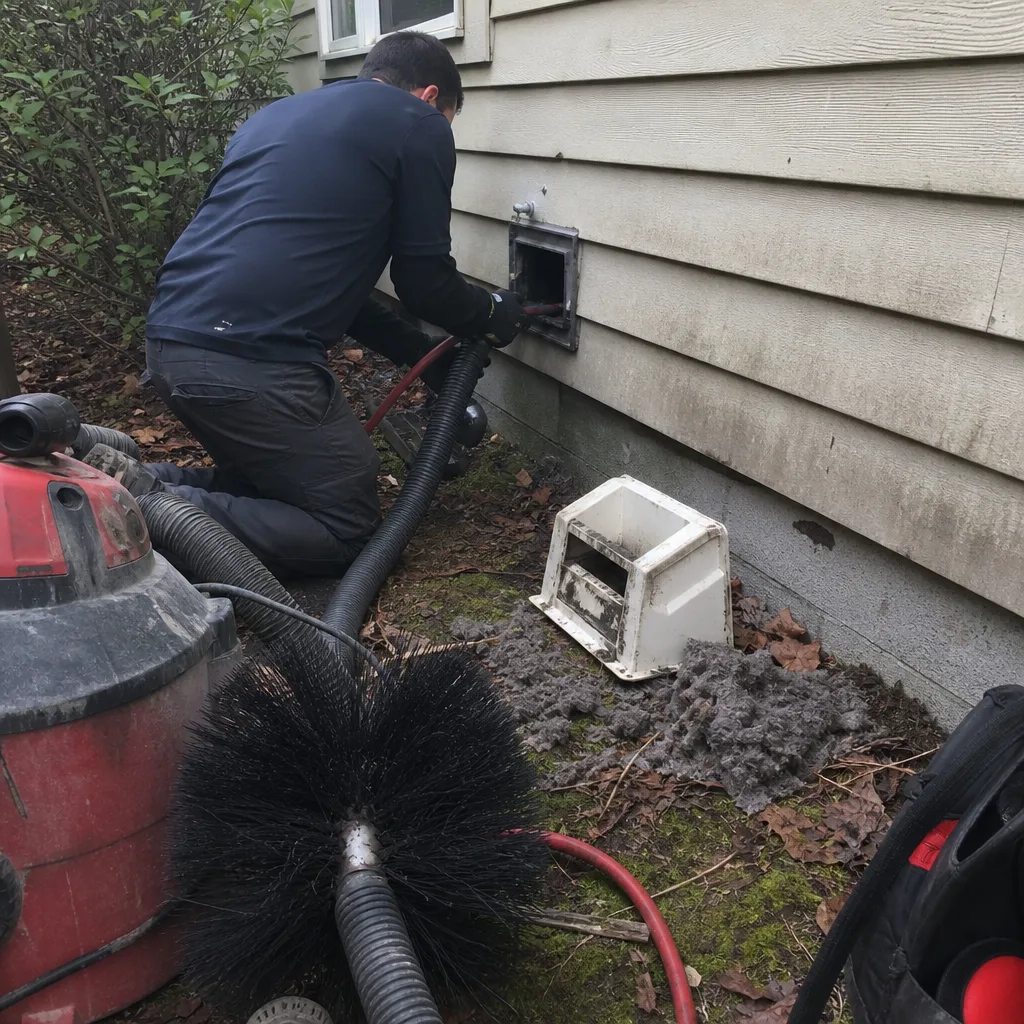 Before
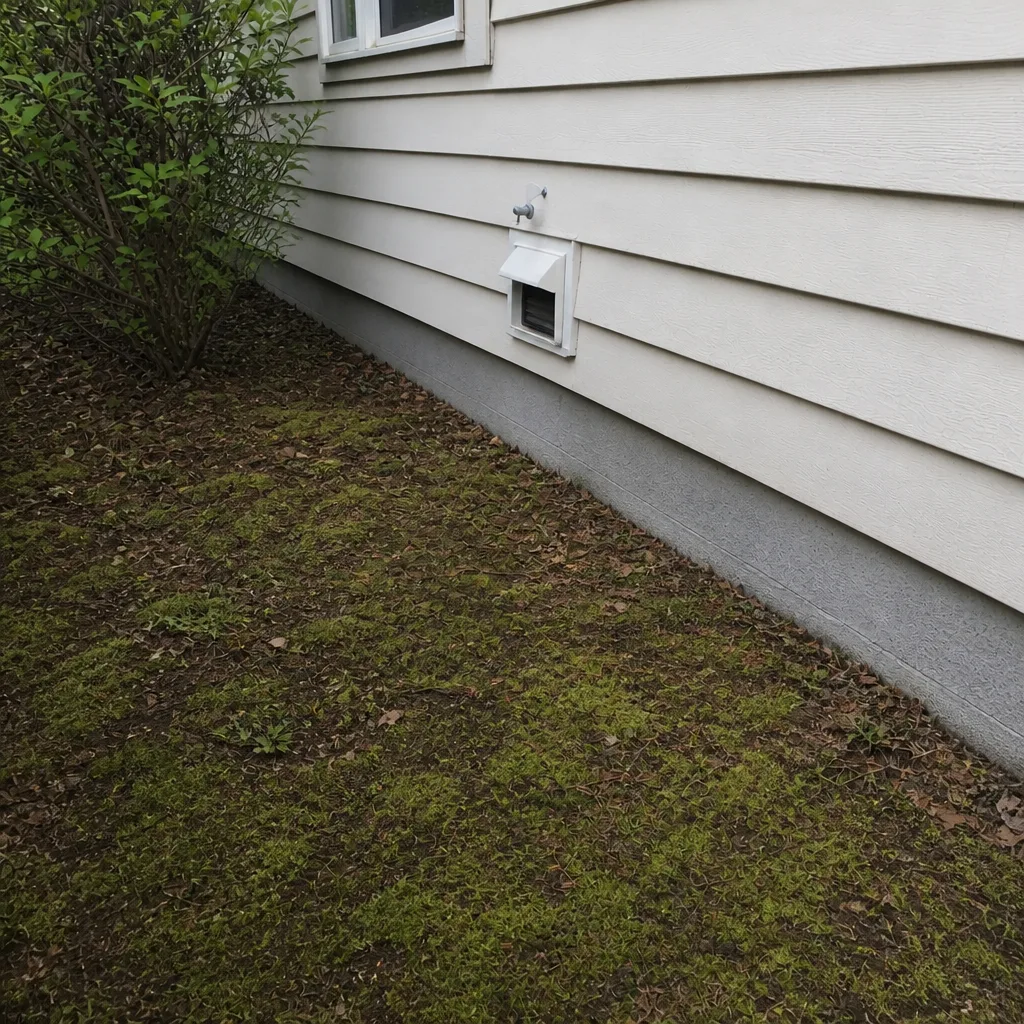 After
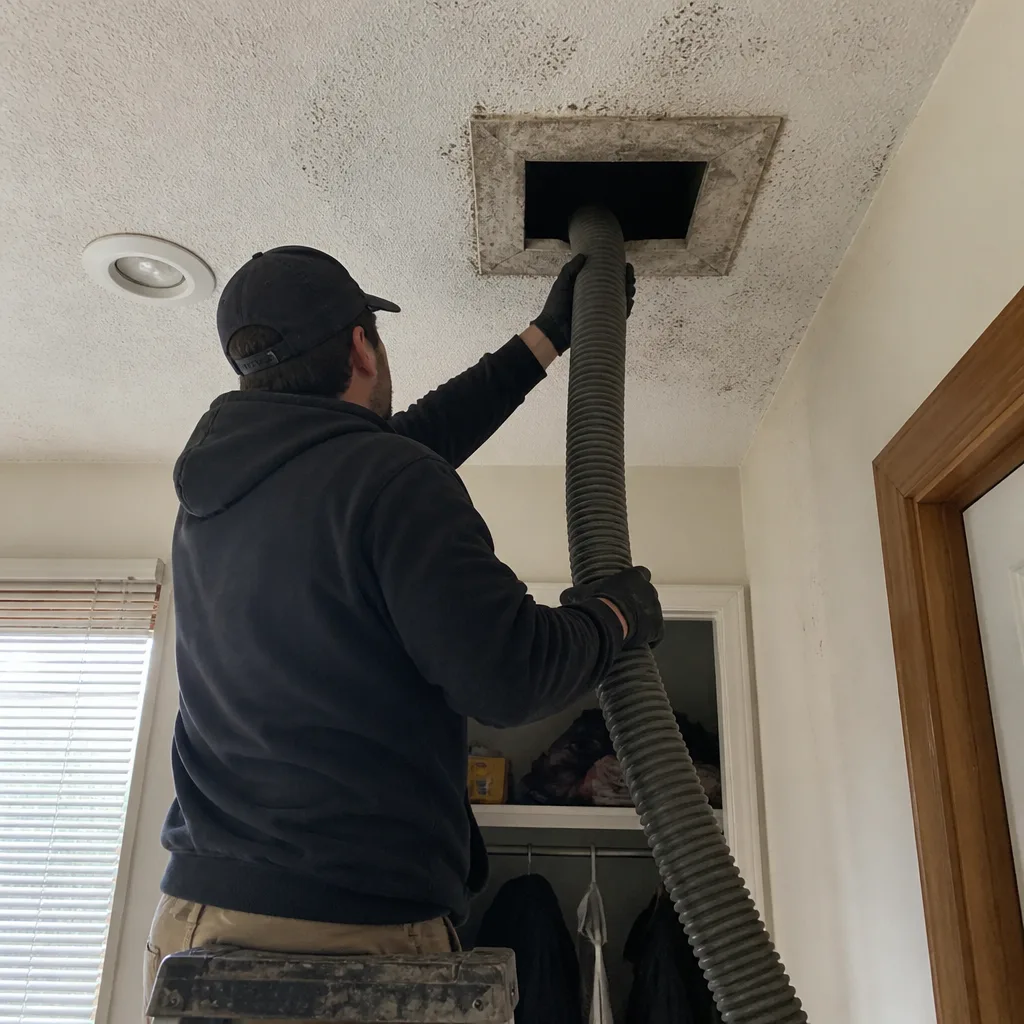 Before
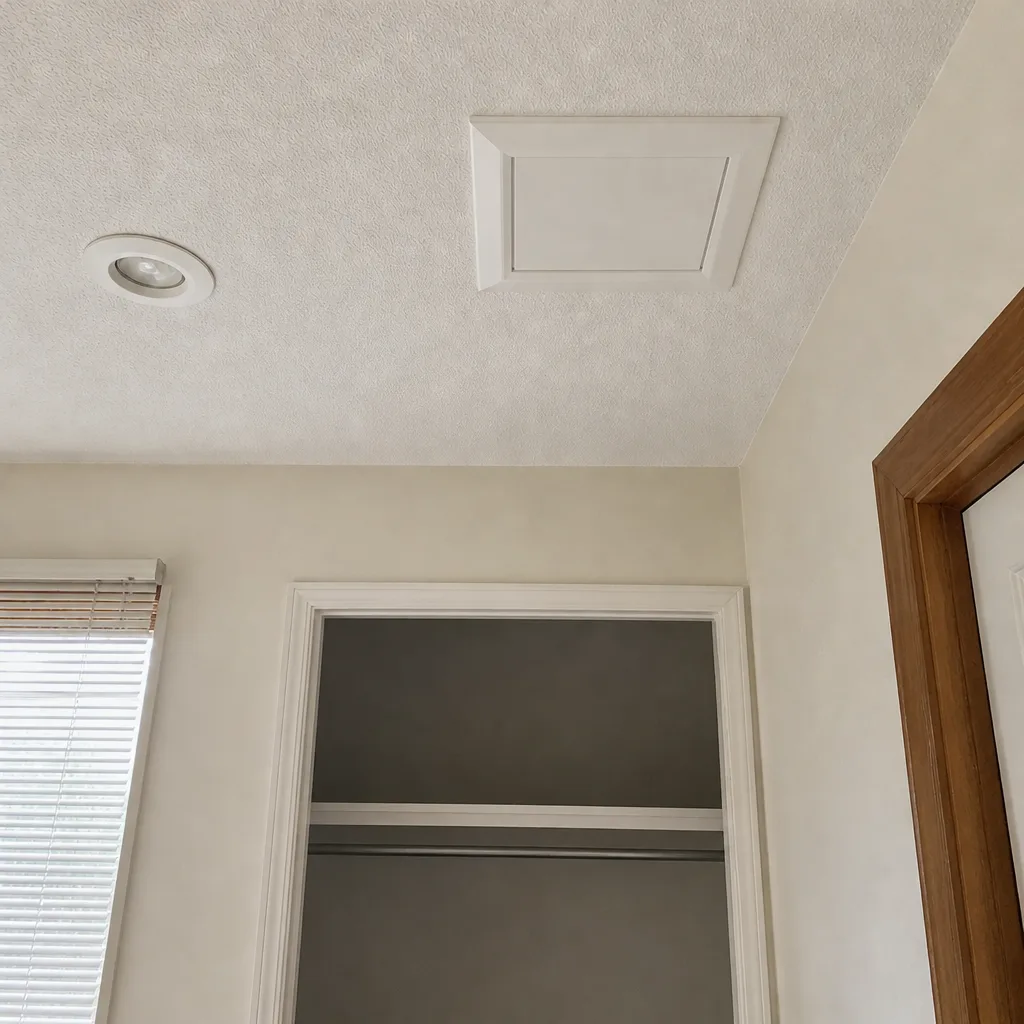 After
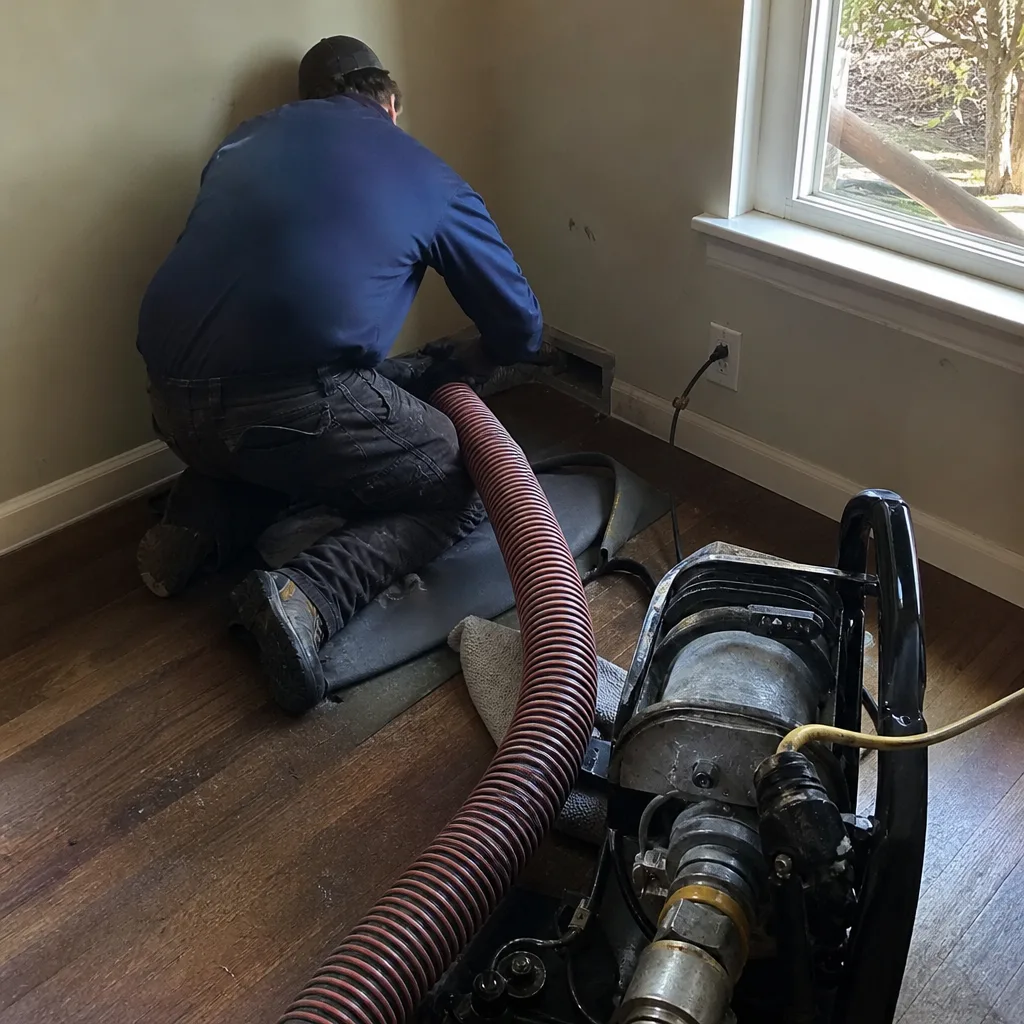 Before
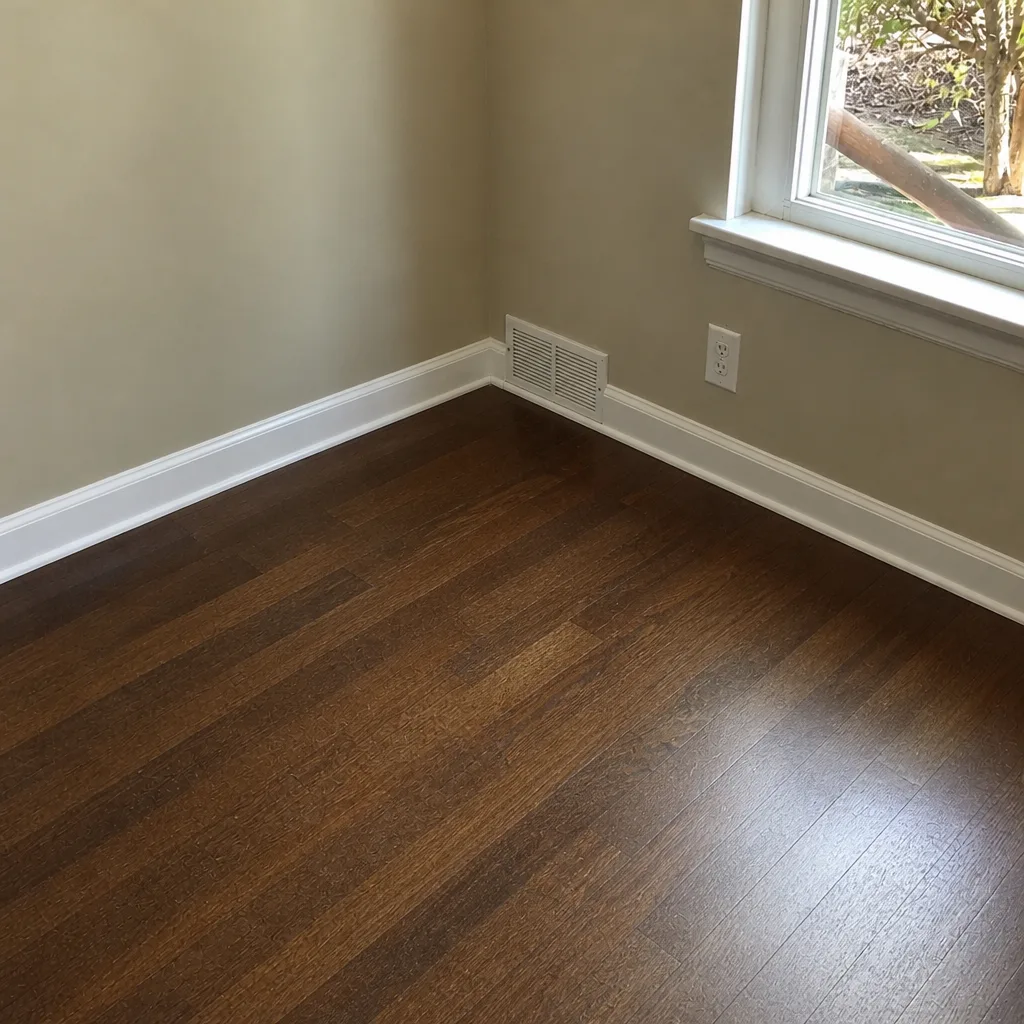 After
When to Call a Professional
If your air duct cleaning needs are past the point of a vacuum at the register, that’s when to call. Visible dust plumes from supply registers, musty odors that don’t clear, allergy symptoms that worsen indoors, a recently renovated home where drywall dust got into the returns, or a system that hasn’t been assessed in years all point to the same conclusion: it’s time for a professional assessment. In a Capitol Hill home, pre-1960 ductwork and dense urban particulate load make the case stronger than a generic guide would suggest.
Air Duct Cleaning Capitol Hill offers free estimates in Capitol Hill. Call (855) 970-9419. We answer 24/7. Fast dispatch from 7am to 7pm, Sunday through Friday.
Frequently Asked Questions
Air duct cleaning in Capitol Hill typically costs $350 to $800 for a whole-system clean, priced per system by a written estimate rather than per vent. The range reflects system size, duct material, number of runs, and whether duct repair and sealing or sanitizing is included. Call (855) 970-9419 for an exact quote. Estimates are free.
There’s no universal interval, and a fixed “every X years” rule doesn’t fit Capitol Hill. A home near Broadway or 12th Ave, with windows open during wildfire smoke season and a pre-1960 sheet-metal system, accumulates debris faster than a newer condo on a quiet side street. An assessment is the way to decide; call (855) 970-9419 to book one.
Cheap quotes usually come from brush-and-blow methods, per-vent pricing that grows once a technician is on site, or a scope that skips sealing and sanitizing. A whole-system estimate that spells out what’s covered is the honest comparison. Call (855) 970-9419 for a written, per-system price instead.
Ask for before-and-after photos of your own ducts, a written scope of what was cleaned, and an explanation of any area left unaddressed. That’s the standard we work to: if you can’t see it in a photo, it didn’t happen. Call (855) 970-9419 to see what that looks like on your system.
Seattle’s marine air and shoulder-season condensation matter, but the bigger local factor is the building stock. Pre-1960 Capitol Hill ductwork has more seams and leaks that collect dust, and wildfire smoke season plus traffic particulate from Broadway and 12th Ave adds to the load. An assessment tailored to your building is how you decide what it needs.
Cleaning alone may not fix a musty smell. In Capitol Hill’s older buildings, a musty odor often points to moisture inside the system, which calls for sanitizing and sealing rather than just cleaning. Assessing the moisture source first is the right order. Call (855) 970-9419 to talk through what you’re noticing.
The Bottom Line
Capitol Hill isn’t a generic cleaning market. Pre-1960 sheet-metal systems, dense multi-unit buildings, wildfire smoke, and shoulder-season condensation all shape what a real cleaning job looks like here. The short version: verify the duct material and layout before work starts, insist on negative-pressure extraction with professional-grade equipment, ask for before-and-after photos and a measured standard rather than a visual glance, and treat sealing and sanitizing as part of the job. Clean ducts are only half the job. One call covers the full system, from dryer vent cleaning to air quality upgrades, and the estimate costs nothing.
Ready to see what your system actually looks like? Call (855) 970-9419 for a free estimate. We answer 24/7. Fast dispatch from 7am to 7pm, Sunday through Friday, and we’re closed Saturday. Air Duct Cleaning Capitol Hill is here when you want a specialist who treats the whole system, not just the vents you can see.
Written by the team at Air Duct Cleaning Capitol Hill.