
Last updated November 22, 2026
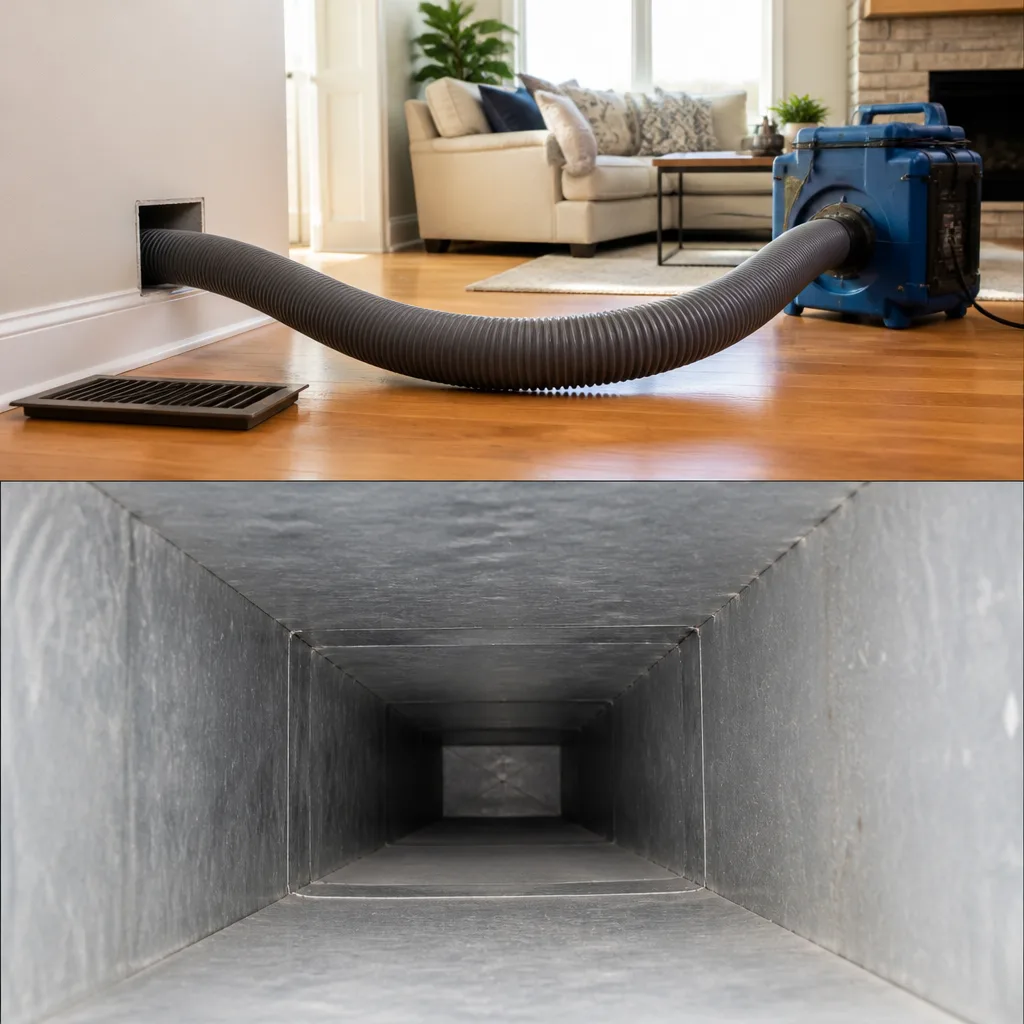 Whole-home duct cleaning
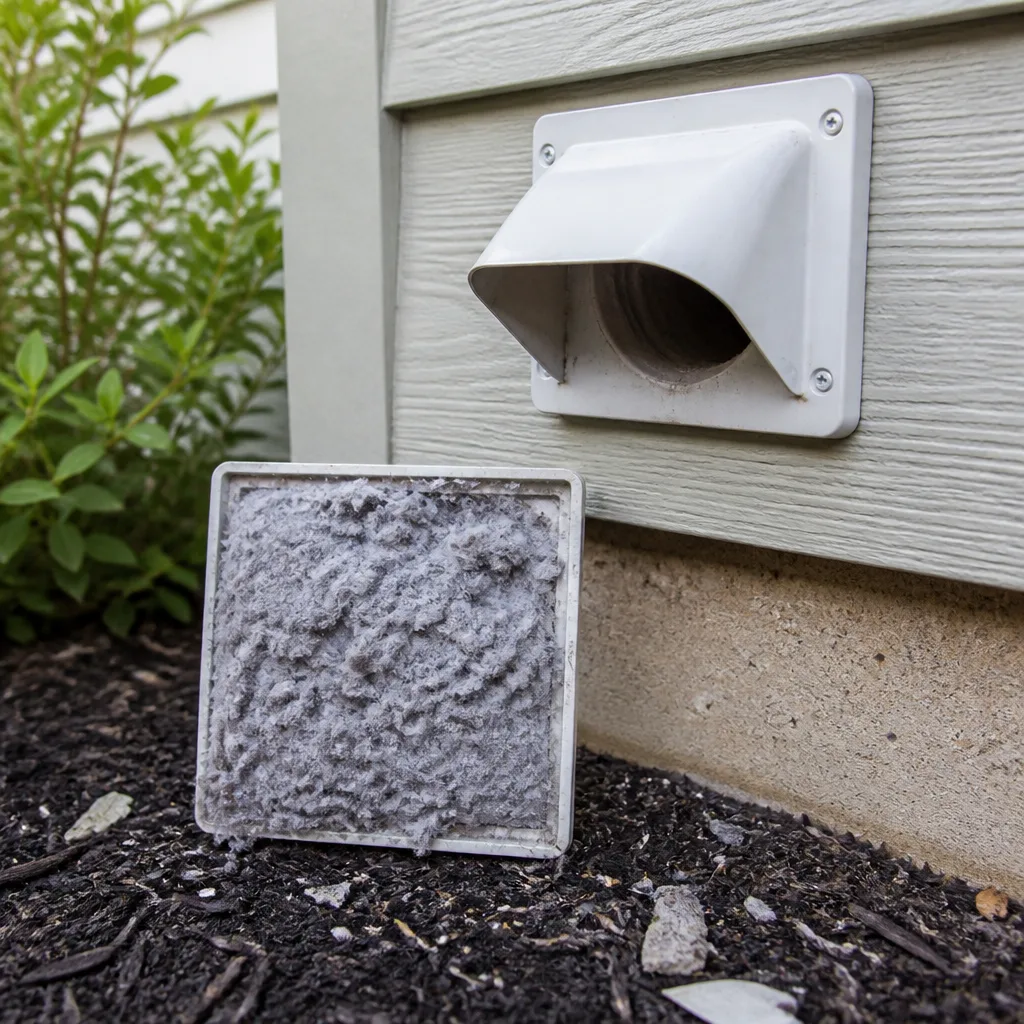 Dryer vent cleaning
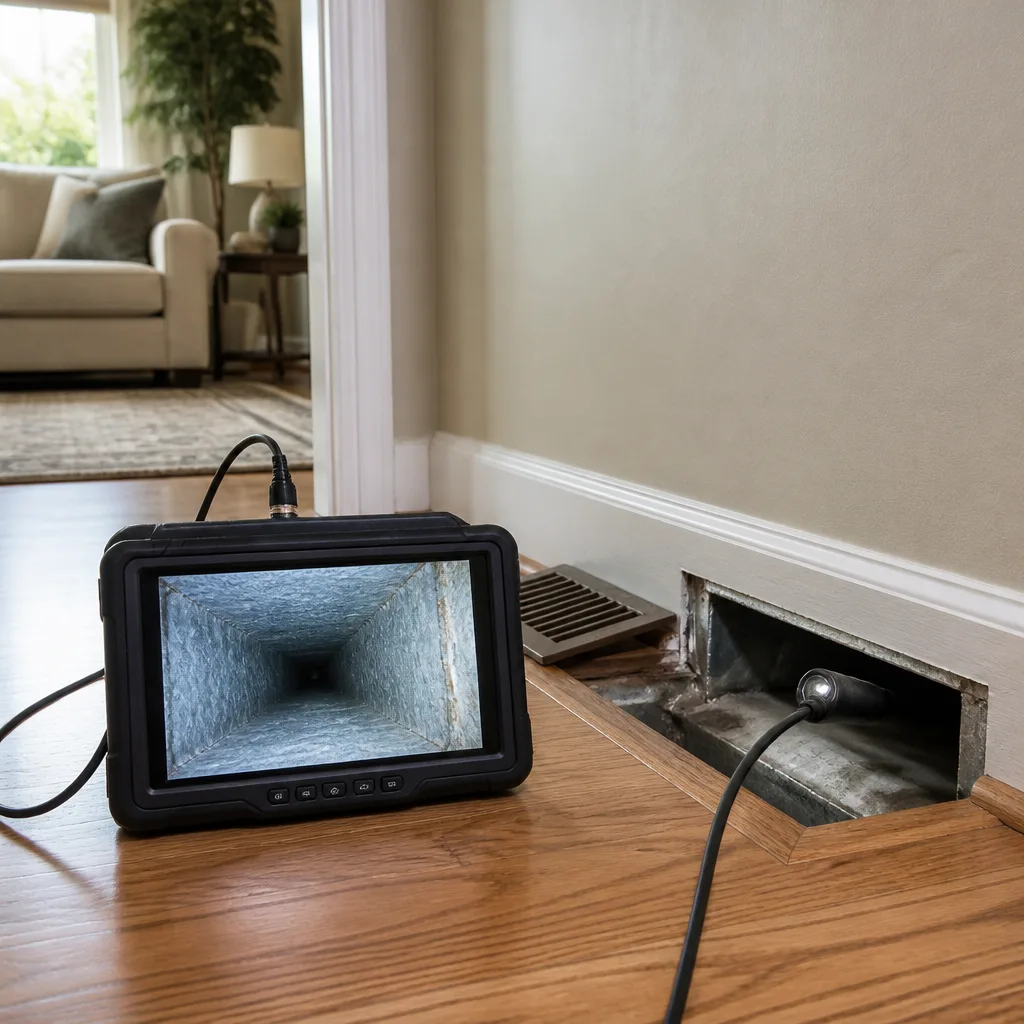 Camera inspection
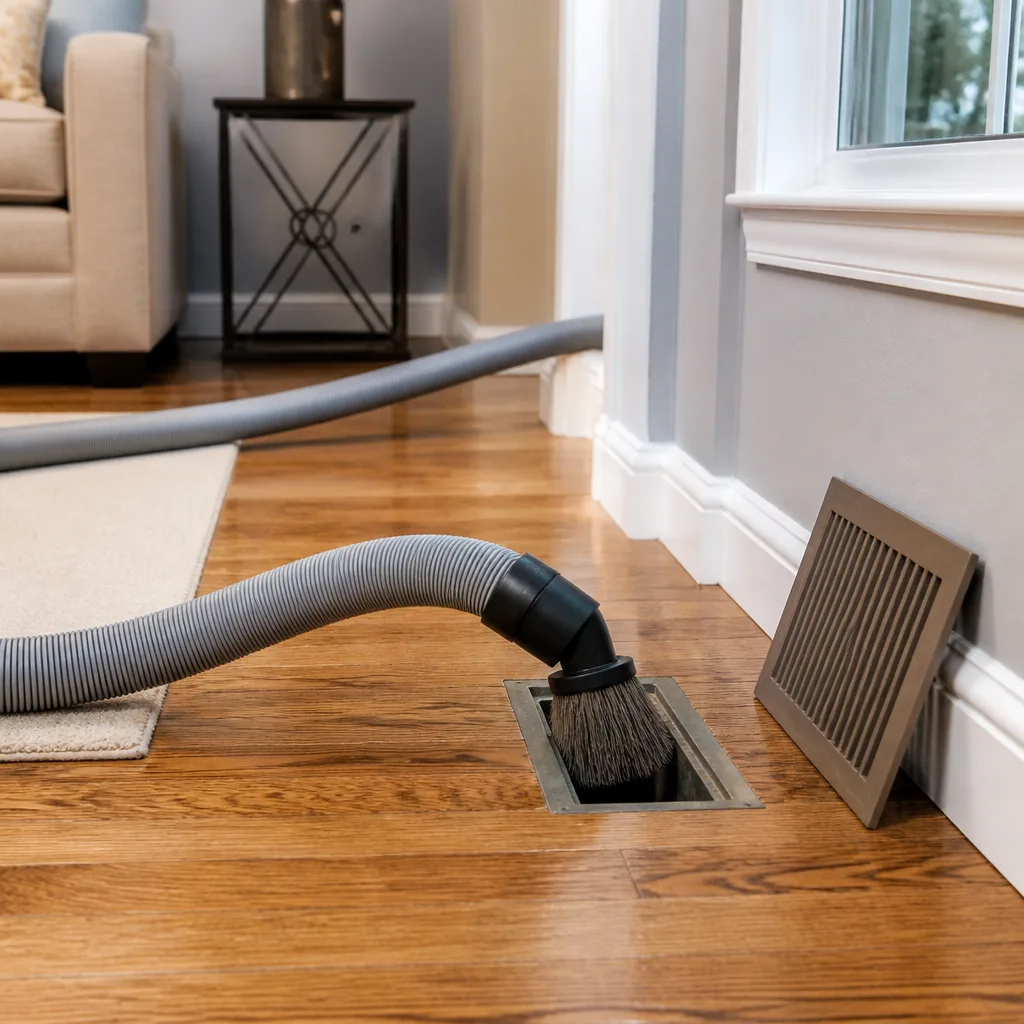 Sanitizing & deodorizing
Whole-system duct and dryer vent check with before-and-after photos - you see exactly what came out of your vents
That "$99 whole-house special" is a bait ad - the real number appears once they are in your hallway, or the "clean" is a shop-vac at the register. We photograph the inside of your ducts before and after instead.
Air Duct Cleaning Maintenance Checklist for Capitol Hill Homeowners
The standard “change your filter every 90 days” advice was written for a 2005 suburb, not a 1928 Capitol Hill bungalow with original galvanized trunk lines and three different duct generations spliced together. Most maintenance calendars assume one duct material, one climate, and one era of construction. Capitol Hill homes rarely offer any of those. A checklist that actually works here has to account for galvanized steel that’s been oxidizing since the Coolidge administration, flex duct added during a 1990s remodel, and duct board patched in after a 2010s renovation – sometimes all feeding the same register. This guide gives you a material-by-material monitoring protocol, the checkpoints you can handle yourself, the ones that need a camera or pressure gauge, and the seasonal triggers specific to this neighborhood. You’ll finish with a maintenance system you can actually keep, not a generic list you’ll ignore by March.
Quick Answer
A proper air duct maintenance checklist for a Capitol Hill home combines four things: a material-specific inspection schedule (galvanized steel, flex duct, and duct board each fail differently), quarterly homeowner-visible checkpoints at every register, a logged baseline of airflow so you can spot degradation early, and professional cleaning or sealing timed to local triggers like September wildfire smoke and post-renovation dust. Most Capitol Hill homes need professional duct cleaning every three to five years, more often if you’ve remodeled, had water intrusion, or notice musty odors. The checklist below tells you exactly what to check, when, and what to record.
Styles & brands we work with
- Whole-home duct cleaning
- Dryer vent cleaning
- Camera inspection
- Sanitizing & deodorizing
Table of Contents
- Why Generic Maintenance Advice Fails in Capitol Hill
- The Material-by-Material Inspection Schedule
- Visual Checkpoints You Can Do vs. What Needs a Camera
- Logging Your Baseline Airflow at Registers
- Capitol Hill Seasonal Triggers: Smoke, Remodels, and Moisture
- What to Record and Keep for Your Next Technician
- Filters, Sealing, and the Bypass Problem
- Your 12-Month Maintenance Calendar
Why Generic Maintenance Advice Fails in Capitol Hill
Capitol Hill’s housing stock breaks the assumptions baked into most duct maintenance advice. The neighborhood was built out largely between the 1900s and the 1930s, and many of those homes have had their ductwork modified three, four, or five times since. A single house on a street like 15th Avenue or Aloha may contain original galvanized trunk lines in the basement, flex duct branching off to a 1980s addition, and fiberglass duct board in a converted attic space. Each material has its own failure mode, its own inspection interval, and its own contamination signature.
Seattle’s climate adds pressure the generic checklist doesn’t account for. Our wet winters keep interior humidity high enough that duct board and insulation can hold moisture for weeks. Our dry late summers fill the air with wildfire smoke that gets pulled through return ducts and settles on every interior surface. And the neighborhood’s active remodel market means renovation dust – gypsum, sawdust, fiberglass particles – enters the system through open returns before the drywall is even up.
What this means practically: a Capitol Hill homeowner needs a monitoring protocol, not a cleaning schedule. You’re watching the system, not just servicing it. The sections below build that protocol from the ground up, starting with the material you’re actually looking at.
The Material-by-Material Inspection Schedule
Treat each duct material as its own maintenance zone with its own interval. This is the single biggest change from a generic checklist, and it’s the one that pays off most in Capitol Hill homes where multiple materials coexist.
Galvanized Steel Ductwork
Common in pre-war Capitol Hill homes, especially in basements and crawlspaces running as the main trunk. Steel itself is durable, but interior seams and joints accumulate dust at a rate that depends on filter quality and airflow. Look for white or grey powdery oxidation on the interior – visible at joints when you can shine a light in – and dark dust accumulation along the bottom of horizontal runs. Inspect visually every six months (open a register and shine a light as far in as you can see). Schedule professional cleaning every three to five years. Failure signature: uneven airflow between registers, visible dust puffs when the system starts.
Flex Duct
Flex duct was added to many Capitol Hill homes during mid-century and 1990s remodels, especially for branch runs to upper floors and additions. Its corrugated interior traps dust more aggressively than smooth steel, and the plastic liner can sag or detach at the collar. In our experience, flex duct is the most common source of “new” performance complaints in Capitol Hill homes. Inspect every four to six months. Look for sagging runs, pinched sections where duct bends too sharply, and dust at the register collar. Replace, don’t just clean, flex runs that show a detached inner liner – cleaning a damaged liner makes it worse. Failure signature: weak airflow at one register only, or a whistling sound at the boot.
Fiberglass Duct Board
Duct board – rigid fiberglass panels with a foil facing – shows up in Capitol Hill homes in attic conversions and additions. Its exposed fiberglass interior can shed particles into the air stream if the coating wears thin. In our experience this is the material most likely to need professional attention and the least likely to be caught by a homeowner’s visual check. Inspect via professional camera every two to three years. Never clean duct board with a brush system; it damages the facing. Failure signature: visible fiberglass dust at the register diffuser, or higher-than-usual dust accumulation on horizontal surfaces near supply vents.
Visual Checkpoints You Can Do vs. What Needs a Camera
You don’t need special equipment for the most valuable half of the checklist. What follows separates the checks you can do with a flashlight and a notepad from the checks that require a duct camera or a pressure gauge. Doing the first set yourself makes the professional visit faster and more useful.
What You Can Check Yourself
- Register grille buildup. Remove the grille (usually two screws) and look at the first six inches of duct interior. Heavy dust on the grille face means the duct interior is dirtier than it looks from the room.
- Airflow feel test. Hold your hand a few inches from each supply register while the system runs. Note weak or uneven vents – they reveal a specific duct problem, not general system age.
- Musty or mechanical odors. A mildew smell at a specific register points to moisture in that run. A motor-oil smell points to the air handler, not the ducts.
- Return-side dust on filters. A filter that’s caked with grey fuzz after two weeks means the return duct itself is dirty.
- Visible flex duct in your basement or crawlspace. Look for sagging, pinching, and disconnected collars.
- Register frame condition. Aged frames warp and leave a gap around the duct boot – the bypass problem covered later.
What Requires a Camera or Pressure Gauge
- Interior condition of galvanized trunk runs beyond ten feet.
- Whether flex duct liner is intact in a hidden span.
- Static pressure reading to confirm the system is balanced (a trained technician measures this at the air handler and at registers).
- Hidden moisture or microbial growth in duct board.
- Debris piles in plenum transitions or mixing boxes.
- Bypass around a filter cabinet or air handler panel.
Professional equipment matters here. A contractor using consumer shop vacuums and a flashlight can’t see what a Rotobrush or Nikro system with a camera and Abatement Technologies filtration can. When we assess a Capitol Hill duct system, the camera work is where most of the actionable findings come from.
Logging Your Baseline Airflow at Registers
This is the step almost every homeowner skips and the one that pays off most. A simple airflow log at each register tells you when the system is degrading before you notice a comfort complaint. It takes about twenty minutes once, then five minutes each quarter.
- Choose a measurement method. A cheap handheld anemometer (air velocity meter) is the simplest; a piece of tissue paper on a grille is the free version. You’re measuring relative airflow, not absolute numbers, so consistency matters more than accuracy.
- Label every register with a number and location (e.g. “R1 – living room south wall”).
- Take the first reading on a mild day with the system running steadily and all doors in normal position. Record the reading for each register in a notebook or spreadsheet.
- Repeat quarterly and record the date. Note any filter changes, HVAC work, or renovations between readings.
- Watch for changes of 20% or more at any single register. That’s a strong signal of a duct problem – a collapsed flex run, a detached collar, or debris buildup – and warrants a professional inspection.
In Capitol Hill homes, we’ve seen baseline logs catch a detached flex duct collar months before the homeowner called for “high energy bills.” The log is the single cheapest maintenance tool you can start today.
Capitol Hill Seasonal Triggers: Smoke, Remodels, and Moisture
Generic advice ignores the calendar. Capitol Hill has three specific seasonal triggers that should reset your cleaning clock, and each one is worth treating as a milestone on the checklist.
September: Post-Wildfire-Smoke Season
Late summer wildfire smoke draws particulate matter into return ducts, where it settles on duct walls and filter frames. By September, your system has likely processed more fine particulate than in any other two-month window. Replace filters once smoke clears, and schedule a professional duct cleaning if you’ve had smoke intrusion, visible soot on registers, or a persistent smoke smell indoors that doesn’t fade within a week of smoke clearing. A professional system with Abatement Technologies filtration captures what a shop vacuum leaves behind.
Post-Renovation
Capitol Hill’s remodel market is active, and the neighborhood’s older homes mean most renovations cut into original framing and duct pathways. Any renovation that opens walls, changes floor plans, or touches the HVAC should trigger a duct cleaning once the drywall dust has settled. Renovation dust includes gypsum fines that cake into duct interiors and clog air handlers. Wait until after final paint, then clean.
Post-Flooding or Moisture Events
Seattle’s wet winters mean a failed supply line, roof leak, or crawlspace flooding event can introduce moisture into duct board and flex insulation. Moisture plus dust equals microbial growth, and growth in a duct travels with the air. If you’ve had a moisture event near ductwork, get a professional inspection before running the system more than necessary. A professional assessment using moisture readings and camera inspection is the only reliable catch.
What to Record and Keep for Your Next Technician
A technician walking into a Capitol Hill home with a full maintenance file can save an hour of investigation and often find the actual problem faster. Keep the following in a single folder – physical or digital – and hand it over when the technician arrives.
- Prior cleaning dates and providers, even if you used a different company. The materials used and any findings matter.
- Any HVAC modifications – air handler replacements, added returns, sealed trunk sections. Note approximate dates.
- Pest activity history. Evidence of rodents or insects in the ducts (droppings, nests, gnawed insulation) affects cleaning scope and safety protocols.
- Your airflow baseline log with dates and any noted changes.
- Filter replacement history – type and date, not just when you changed it.
- Moisture events – any flooding, leaks, or high-humidity periods near the ducts.
- Renovation records – start and end dates of any work that might have introduced dust.
- Photos of register interiors taken at each inspection. Photo comparison over time shows dust accumulation you’d otherwise forget.
When we arrive at a Capitol Hill home with a full record, we shift from diagnostic to confirmatory inspection – the homeowner isn’t paying us to rediscover what a log already shows. That’s a better use of the visit for everyone.
Filters, Sealing, and the Bypass Problem
Filter changes help, but filtration only works if air actually passes through the filter media. That’s the bypass problem, and in Capitol Hill homes with original register frames it’s often worse than the filter itself. Old metal frames warp, leaving gaps between the filter and its housing. Air flows around the filter rather than through it, dragging dust into the duct interior.
Check for bypass by:
- Looking at the filter housing edges with the filter installed – any visible gap wider than a pencil is bypass.
- Checking whether the filter sits flush or rattles in its frame.
- Inspecting the register frame itself for warping, loose screws, or gaps between the frame and the wall or floor.
Sealing is a real fix, not a cosmetic one. Duct repair and sealing isn’t only about duct interior condition – it’s about stopping unfiltered air from bypassing filtration and about stopping conditioned air from leaking before it reaches the register. In our experience, Capitol Hill homes gain more from proper sealing around register frames and duct joints than from a higher-MERV filter dropped into a leaky housing. For post-cleaning air quality upgrades, products like Aprilaire and Honeywell media cabinets and filtration systems address the housing-side of the problem. A cleaning removes what’s already in the system; sealing and a proper filter housing prevent it from coming back.
Your 12-Month Maintenance Calendar
Here’s the checklist compressed into a calendar you can actually follow. Adjust the professional intervals to your specific duct materials – the earlier section tells you how.
- Every month: Visually check the air filter; replace if visibly grey or matted. Note anything odd at a register.
- Every three months: Take your airflow baseline readings. Photograph one register interior (same register every time). Check flex duct visible in basement or attic for sagging.
- Every six months: Full home visual sweep – grilles off, flashlight into each duct as far as you can see. Note anything caked, damp, or discolored.
- Every year: Check filter housing for bypass. Check for register frame warping. Review your log for performance trends. Call for a professional estimate if any single register has dropped more than 20% since baseline.
- Every three to five years: Professional air duct cleaning for galvanized steel systems. More often for flex duct. For fiberglass duct board, follow the technician’s recommendation.
- After any renovation: Professional cleaning once drywall dust has settled.
- After September smoke season or a moisture event: Professional inspection or cleaning depending on severity.
- Dryer vent: Inspect annually, professionally clean as needed. This is a fire-safety service, not an air-quality add-on.
Common Mistakes to Avoid
- Following a generic 90-day dusting schedule on a 1928 Capitol Hill home. Your ductwork isn’t a single system; treat each material zone separately or you’ll always be behind on one.
- Cleaning without sealing. Cleaning a duct system with unsealed register frames and joint gaps means the ducts get dirty again fast – the air is going around the filter, not through it.
- Brushing fiberglass duct board. Brush cleaning damages the foil facing and releases fiberglass particles into the air stream. Only rotary-whip or air-whip tools with proper containment are appropriate.
- Ignoring flex duct that’s already damaged. A detached liner can’t be cleaned back to function. It has to be replaced. Cleaning it makes the problem worse.
- Skipping the dryer vent. Dryer vent cleaning is a separate safety service from duct cleaning, and it’s a leading cause of residential fires in homes that never think to check.
- Forgetting to log anything. A baseline airflow log and photo record turn every future service call into a targeted inspection rather than a diagnostic guess.
- Cleaning right before a renovation starts. Clean after the drywall dust has settled, not before – otherwise the renovation just re-dirties the ducts you paid to clean.
See the difference
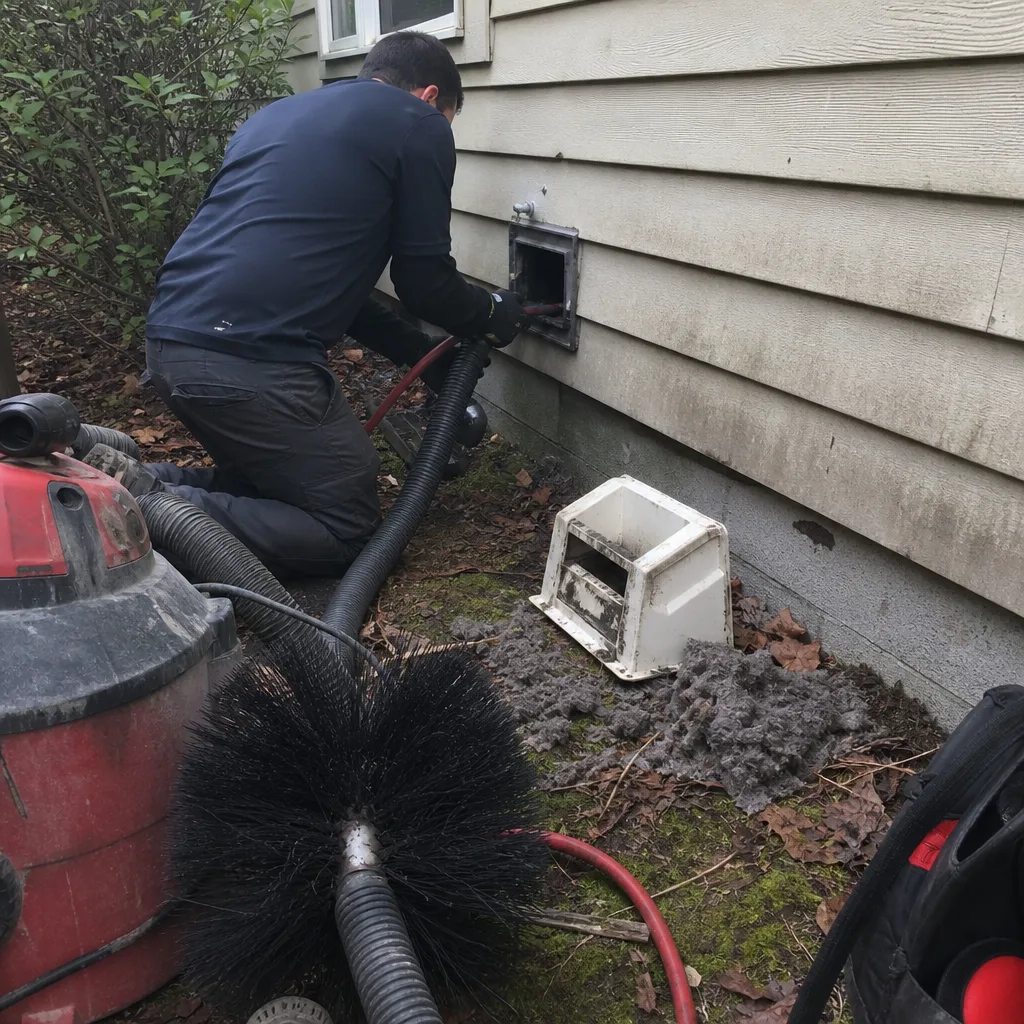 Before
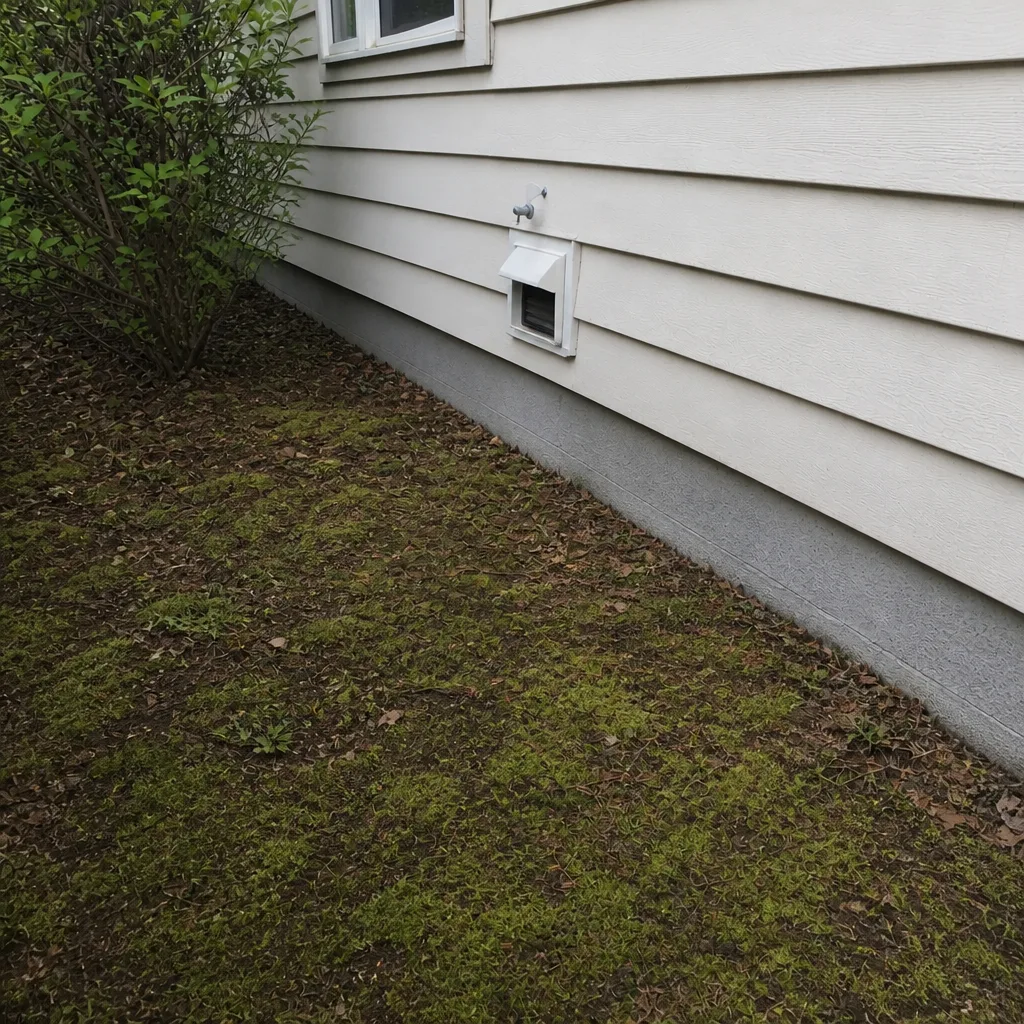 After
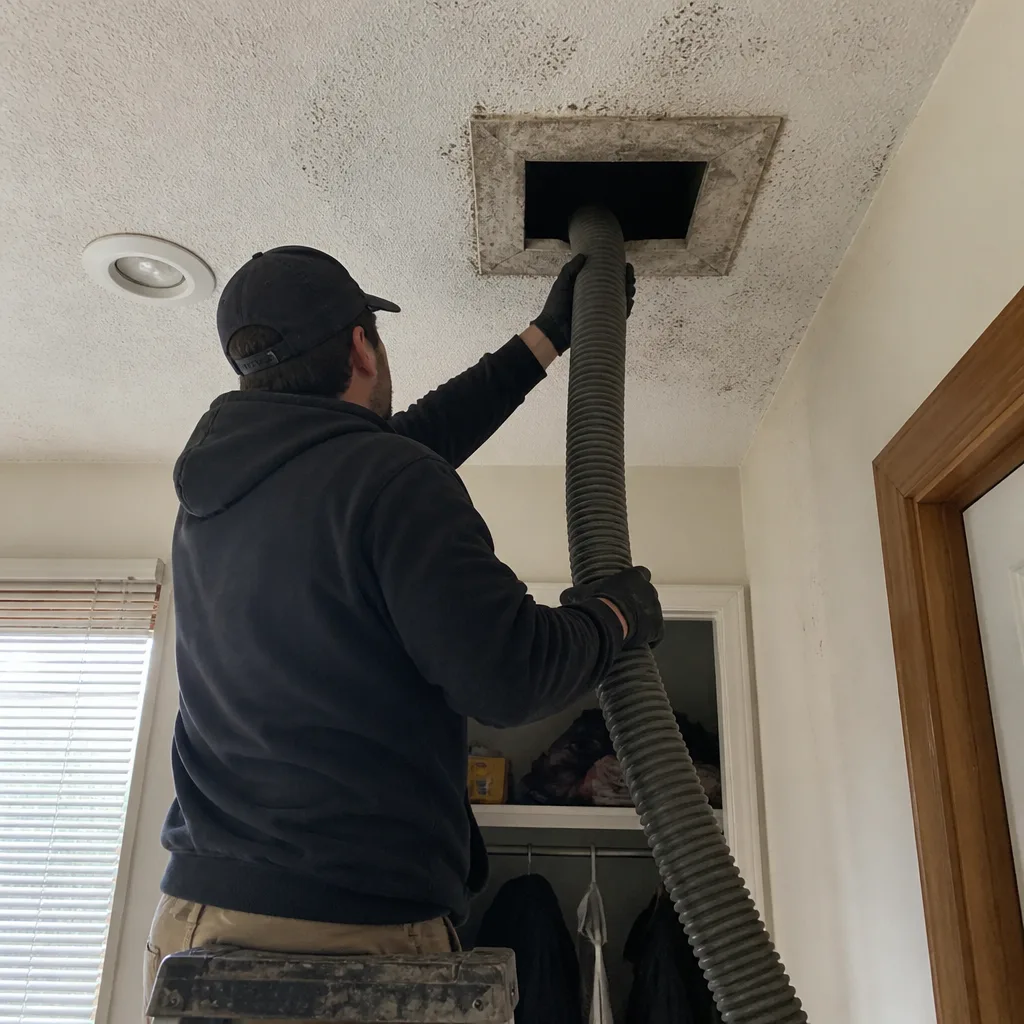 Before
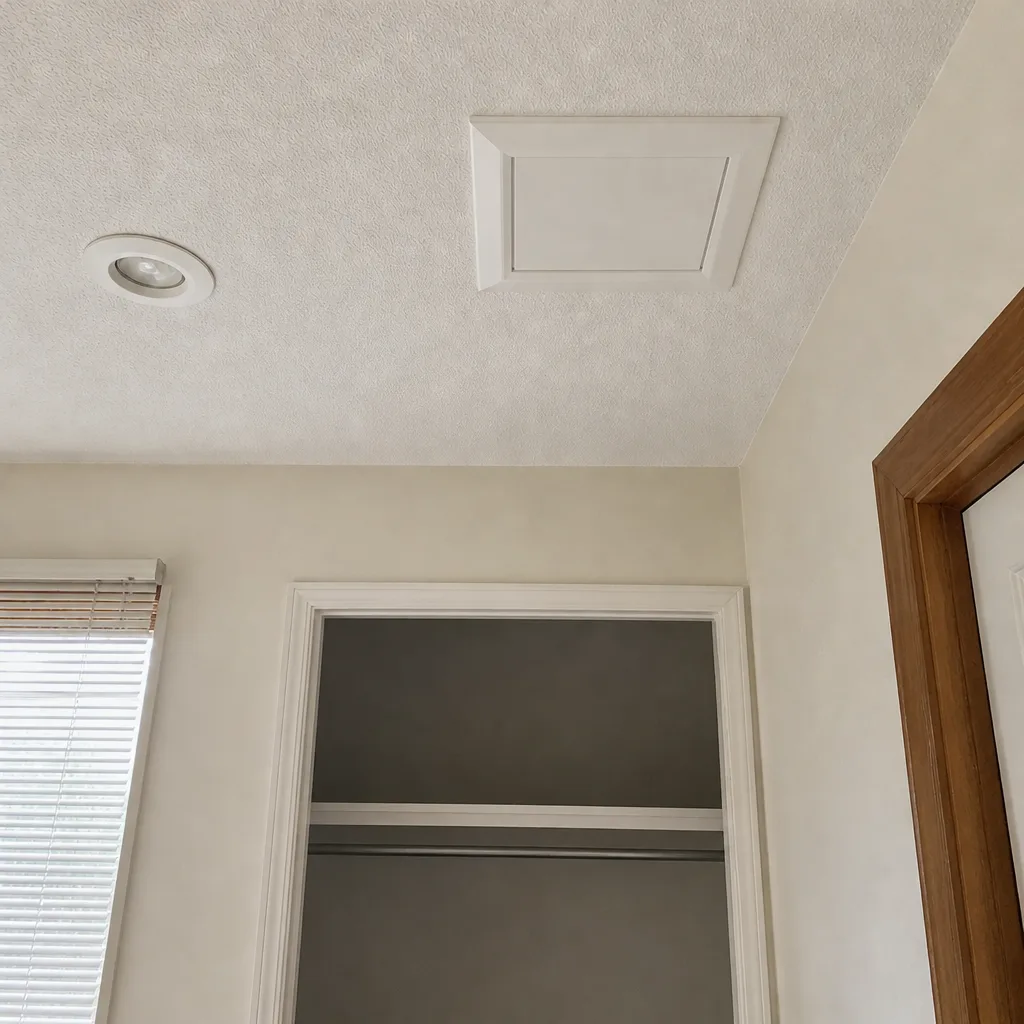 After
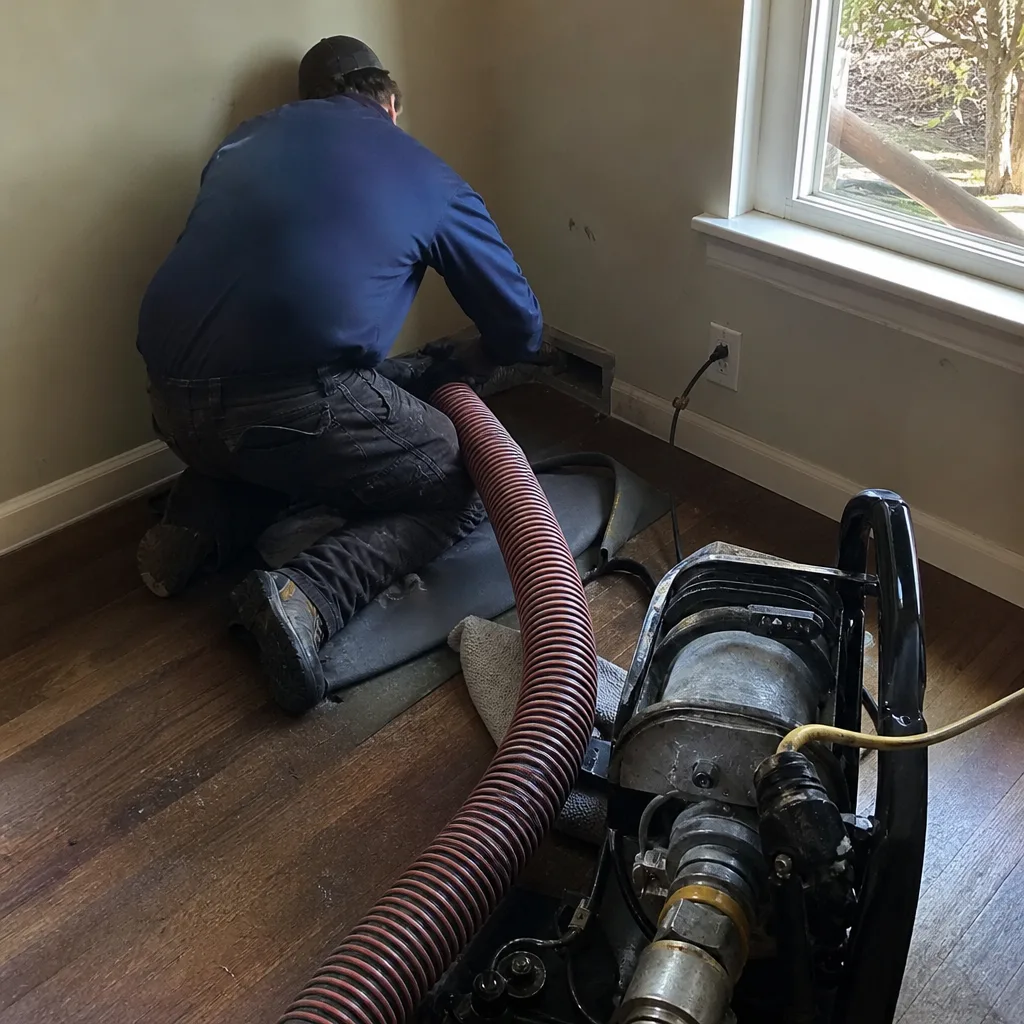 Before
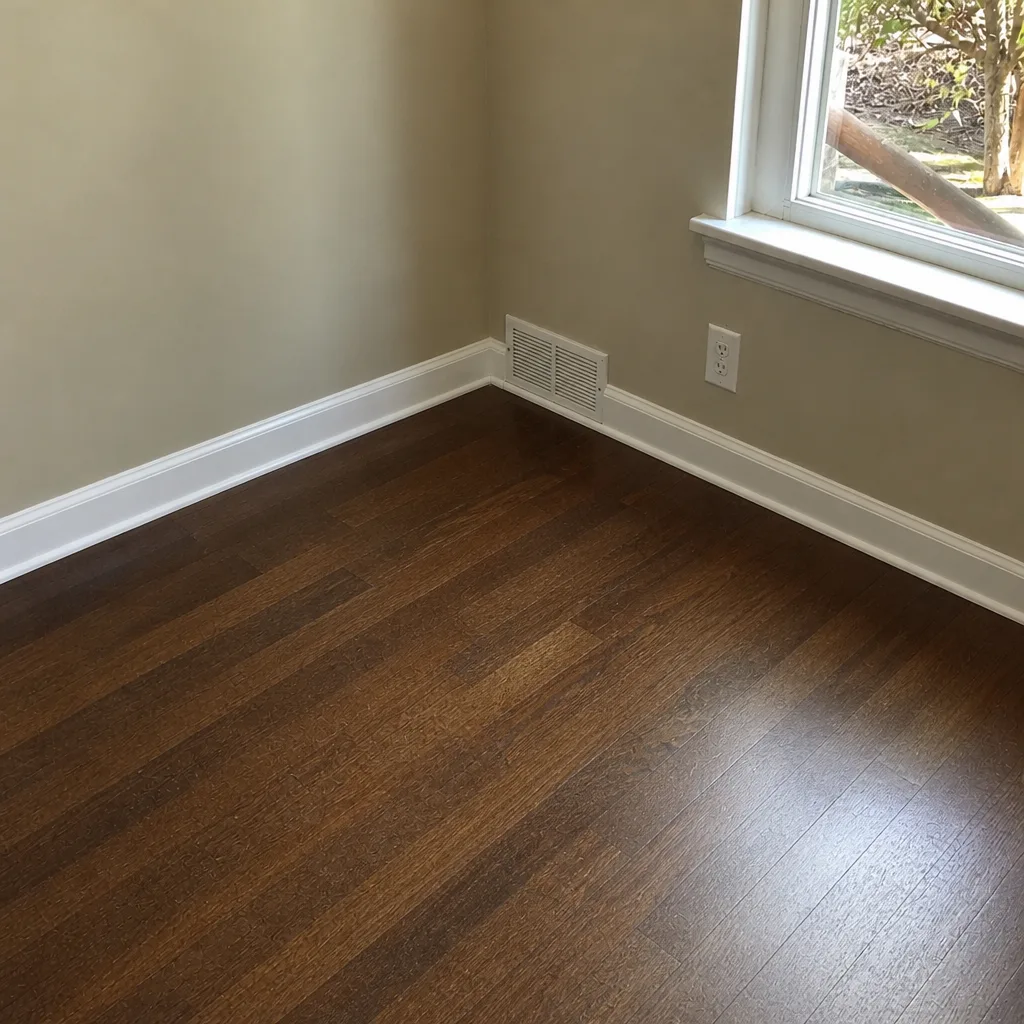 After
When to Call a Professional
Many of the checklist items above are do-it-yourself. The ones below aren’t, and each of them is a strong signal to schedule a professional visit.
- Any single register has dropped 20% or more on your baseline airflow log.
- A musty odor comes from a specific register or the return.
- You’ve had a moisture event near ductwork.
- You’ve had a renovation within the last six months.
- You’re seeing visible dust plumes at registers when the system starts.
- You’re preparing to sell or rent and want a clean baseline record for the next owner.
- Your dryer vent hasn’t been inspected in over a year.
A professional visit isn’t just a cleaning – it’s a camera inspection, a static pressure reading, a seal assessment, and a cleaning plan for the specific materials in your home. Air Duct Cleaning Capitol Hill offers free estimates in Capitol Hill – call (855) 970-9419. We answer 24/7. Fast dispatch from 7am to 7pm, Sunday through Friday.
Frequently Asked Questions
Most Capitol Hill homes need professional air duct cleaning every three to five years, but that interval shortens to two years or less if you have significant flex duct, have recently renovated, have had a moisture event, or notice ongoing musty odors. The material-by-material schedule above gives you a better answer than a single number. Call (855) 970-9419 for an exact assessment – estimates are free.
No, a shop vacuum reaches about two feet into a duct and disturbs dust into the air without capturing it. Professional systems use rotary agitation and HEPA-class filtration to actually remove accumulated dust and contain it. Doing the visual checkpoints yourself is fine; the actual cleaning requires professional equipment. Call (855) 970-9419 to schedule an estimate.
Cleaning removes dust and biological material from inside the ducts; sealing closes gaps at duct joints, register frames, and the air handler so that filtered air actually moves through the ducts rather than around them. Clean ducts plus sealed ducts are the only combination that stays clean. Cleaning without sealing is why some homes notice dust returning within months. We assess both in the same visit. Call (855) 970-9419.
Look at a supply register with the grille off: smooth metal interior is galvanized steel; flexible corrugated silver tubing is flex duct; rigid grey or foil-faced board is duct board. Many Capitol Hill homes have all three in different parts of the system. Knowing which is which matters because each material has a different cleaning method and inspection interval.
It’s a separate service and a separate safety category. dryer vent cleaning addresses lint accumulation that causes residential fires, and we recommend annual inspection regardless of what you do with the supply ducts. Call (855) 970-9419 to schedule alongside an air duct estimate.
Have your prior cleaning dates, any HVAC modification history, pest activity notes, your airflow baseline log, and any photos of register interiors you’ve taken. A technician who walks in with that file can focus on the actual inspection rather than rediscovering baseline information. Full list above under “What to Record and Keep.”
The Bottom Line
A Capitol Hill duct maintenance checklist isn’t a generic cleaning schedule – it’s a monitoring protocol built around the specific materials and seasonal triggers of this neighborhood. Treat galvanized steel, flex duct, and duct board as separate maintenance zones. Log airflow at every register so you can catch degradation early. Reset your cleaning clock after September smoke season, after any renovation, and after any moisture event. Keep the maintenance record on file so your next technician starts from context, not from scratch. And remember that cleaning alone isn’t the answer – sealing the system so it stays clean matters as much as the cleaning itself. For a full-system assessment, call Air Duct Cleaning Capitol Hill at (855) 970-9419 for a free estimate.
Our technicians have up to 13 years of experience, and the equipment we bring – Rotobrush and Nikro duct cleaning systems, Abatement Technologies filtration, and post-cleaning air quality products from Aprilaire and Honeywell – is professional-grade, not the consumer shortcuts that leave dust behind. When you’re ready for a full system HVAC cleaning or want to start with an assessment, one call covers it. For background on the full scope of what we do, start at Air Duct Cleaning Capitol Hill.
Written by the team at Air Duct Cleaning Capitol Hill.