
Last updated November 22, 2026
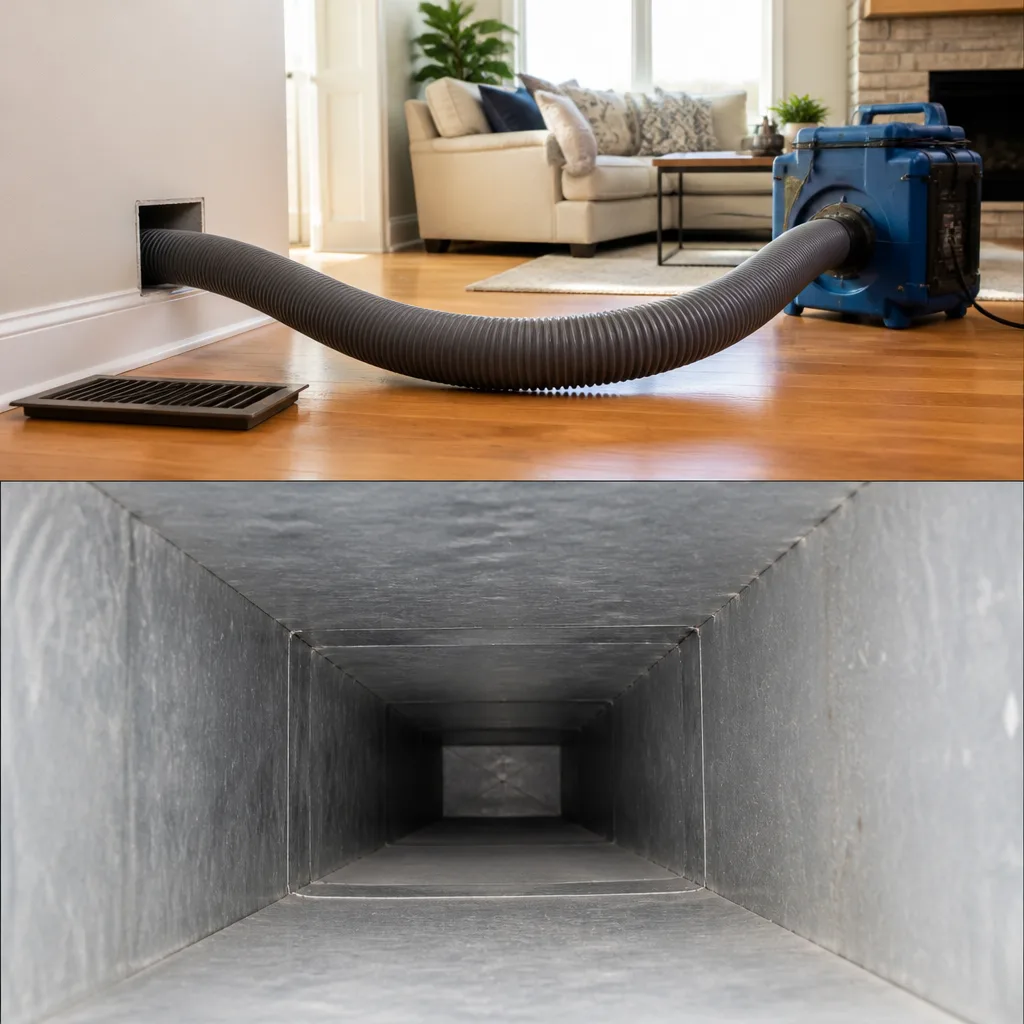 Whole-home duct cleaning
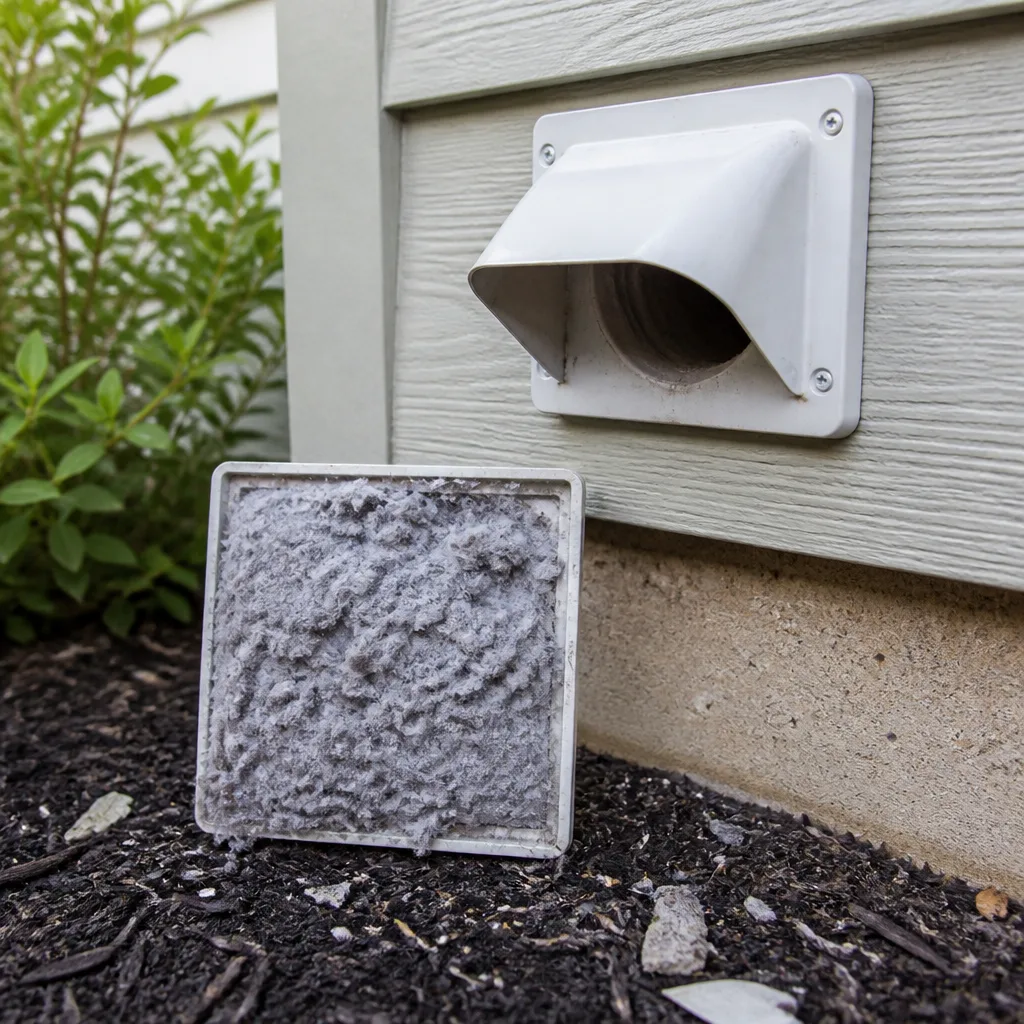 Dryer vent cleaning
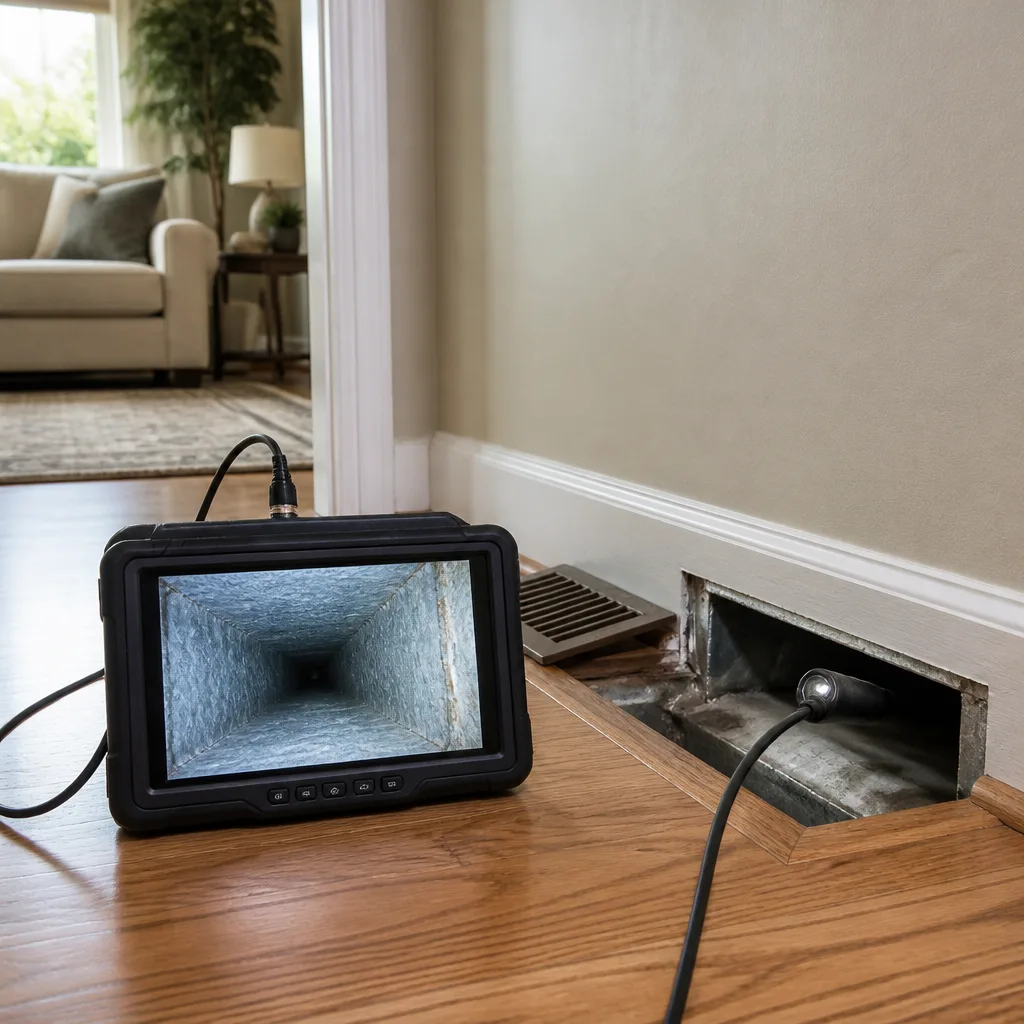 Camera inspection
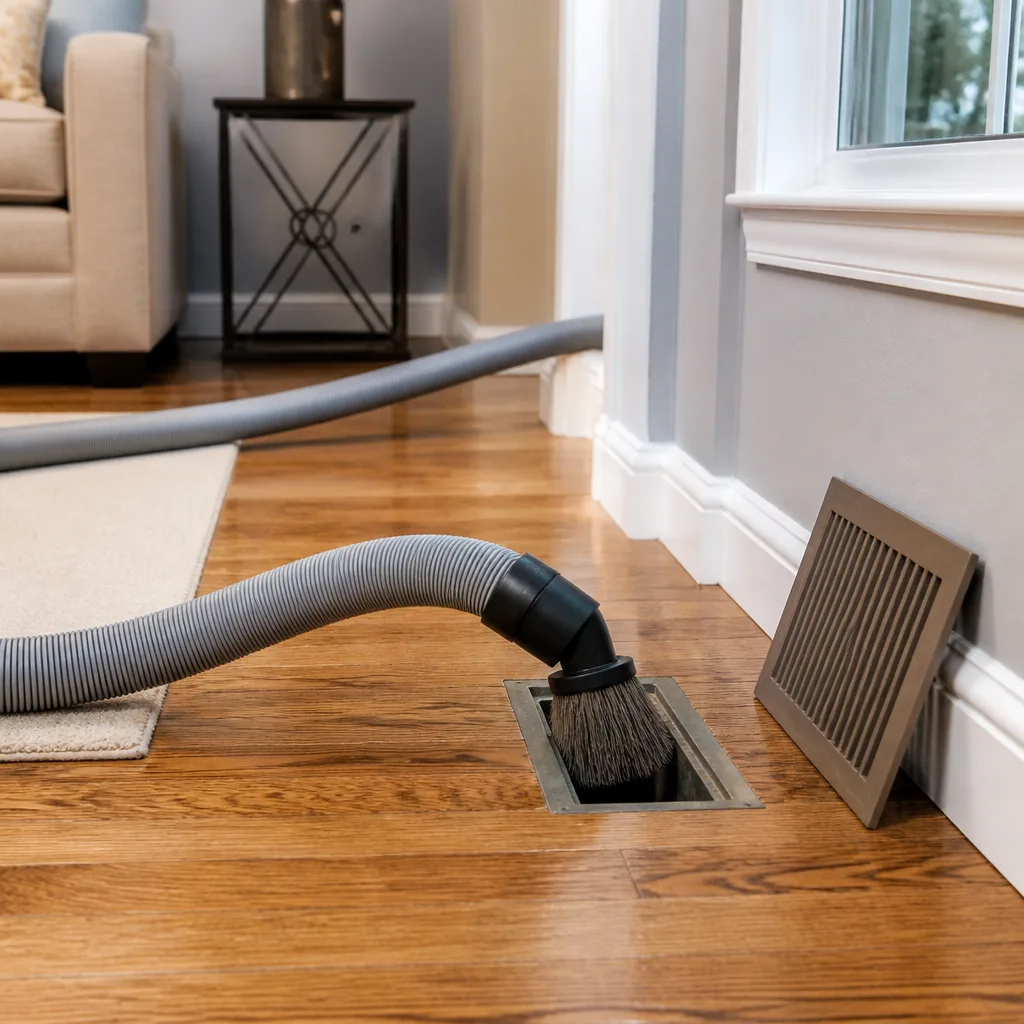 Sanitizing & deodorizing
Whole-system duct and dryer vent check with before-and-after photos - you see exactly what came out of your vents
That "$99 whole-house special" is a bait ad - the real number appears once they are in your hallway, or the "clean" is a shop-vac at the register. We photograph the inside of your ducts before and after instead.
Air Duct Cleaning Emergency Preparedness Guide for Capitol Hill Homes
Most Capitol Hill homeowners have a plan for the big stuff. They know where the gas shutoff is, they keep a case of water in the garage, and they’ve thought through what happens when the power grid fails during a windstorm. What almost nobody plans for is the duct system. During a smoke event, a mechanical-room flood, or a heavy renovation, the ducts can turn from a passive network of sheet metal into the fastest route for contamination to reach every room in the house. This guide covers the three emergencies that actually call for duct response in Capitol Hill, the sequence to follow before anyone touches a brush, and what to document for your insurer before cleaning starts.
Quick Answer
In a smoke, flood, or renovation emergency, the first move is to shut the air handler off, not to run it harder. Once the event has passed, the system needs an inspection before any cleaning, a scope built around the specific contaminant, and a documented record of the damage collected before remediation begins. Running the fan on recirculate during a smoke event pushes already-contaminated air through the ducts at full volume and makes a bad situation worse.
Styles & brands we work with
- Whole-home duct cleaning
- Dryer vent cleaning
- Camera inspection
- Sanitizing & deodorizing
Table of Contents
- The Three Capitol Hill Emergencies That Demand Duct Response
- What to Do During a Wildfire Smoke Event, In Order
- Assessing Duct Contamination After a Flood
- Renovation Debris and Post-Project Contamination
- What to Document Before Any Cleaning Begins
- Emergency Cleaning vs. Standard Cleaning: Why the Scope Changes
- Common Mistakes to Avoid
- When to Call a Professional
The Three Capitol Hill Emergencies That Demand Duct Response
Not every household disruption touches the duct system. A power outage doesn’t. A burst supply line under the kitchen sink usually doesn’t. Three specific events do, and they come up often enough in Capitol Hill that it’s worth knowing which is which before you’re standing in the middle of one.
Wildfire smoke infiltration is the most common. Western Washington gets smoke pushed down from fires to the north and east, and when the air quality index climbs into the unhealthy range, every forced-air home in the neighborhood is pulling that air through the return grilles. Smoke doesn’t just pass through. Fine particulate settles on duct interiors, and the odor compounds that come with it cling to the light dust film already inside the system.
Flood and moisture intrusion into mechanical spaces is the most dangerous to ignore. Capitol Hill has a lot of older housing stock with basement or crawlspace mechanical rooms, and Seattle’s storm infrastructure doesn’t always handle a heavy rain event. When water reaches a furnace, air handler, or the duct runs themselves, the problem stops being water and becomes biology. Wet dust grows mold. Mold spores then have a direct highway into living space.
Renovation debris contamination is the most underestimated. Drywall dust, sawdust, insulation fibers, and demolition grit get pulled into returns the moment someone flips the thermostat to heat. A duct system that was fine in March can be carrying a fine layer of construction particulate by April. Dust from a renovation is far finer than normal household dust and it doesn’t settle out the way you’d hope.
All three share a common thread: the contamination is inside the system, not on the surface of the house, and it reaches every room the ducts serve. That’s the difference between vacuuming a floor and cleaning a duct network, and it’s why the response sequence matters more than the tool.
What to Do During a Wildfire Smoke Event, In Order
The instinct during a smoke event is to close the windows and run the system to keep air moving. That instinct is wrong if the duct interior is already dirty, and in most Capitol Hill homes, it is dirtier than the owner realizes. Here’s the sequence that actually helps.
- Turn the air handler off. Set the thermostat to off, not to fan-on. If your system has a recirculate setting, leave it alone. Recirculation is designed for temperature control, not contamination control, and it does nothing for particulate that is already inside the ducts.
- Seal the obvious openings. Close fresh-air intakes if the system has them. Tape over a whole-house fan if you have one. Close windows and doors and use a towel along the bottom of exterior doors.
- Upgrade your filter, but sequence it correctly. Replace the filter before you run anything. A loaded filter has no capacity left to catch smoke particulate. Higher-MERV filters capture finer particles, but they also add static pressure, and a system not designed for a thick filter can lose airflow. Match the filter to the filter slot, not to the marketing on the box.
- Run a standalone HEPA air cleaner in the main living space. Room-level filtration handles what the duct system can’t, because during a smoke event you’ve shut the central system down. A single well-placed HEPA unit in the room you spend the most time in does more than any recirculation setting.
- Wait for the air to clear before you restart the system. Once outdoor air quality improves and you’re ready to run the HVAC again, that’s the point to schedule an inspection. Smoke events leave a residue that a filter change won’t remove.
What not to do: don’t run the system on recirculate hoping it will “filter itself clean.” That is not how duct systems behave. Don’t spray air freshener into a return grille to deal with the smell, either. Masking the odor leaves the particulate in place.
Households across Capitol Hill with forced-air systems, heat pumps, and ducted mini-split setups all follow the same basic sequence. The equipment varies; the logic doesn’t. When the smoke clears, an inspection through the system tells you what actually settled, and that’s what determines the cleaning scope.
Assessing Duct Contamination After a Flood
Water in a mechanical space is a two-part problem. Part one is the water itself. Part two is what happens in the 24 to 72 hours after it recedes, when wet dust and organic matter inside the ducts start to support microbial growth. The inspection sequence below is what we walk through before recommending any cleaning, because cleaning a wet duct system is the wrong order of operations.
Inspection sequence after moisture intrusion
- Confirm the system is off and the power is isolated. Never test a furnace or air handler that has been sitting in water. Electrical components and moisture don’t mix.
- Assess water line height on the equipment and ductwork. A few inches at the base of a furnace is different from a flooded trunk line. Record the height on the equipment cabinet and on any visible duct before it dries.
- Check for standing water or damp insulation inside the ducts. Lined flex duct and internal duct liner absorb water and hold it. Visible drips are a starting point, but a moisture meter tells you what a flashlight can’t.
- Look for visible mold growth. Any discoloration on the interior of the duct that wasn’t there before the flood needs to be treated as potential mold until proven otherwise.
- Photograph everything before anyone touches it. This step is worth its own section, and it’s covered below.
- Call for an inspection before cleaning, not for cleaning. Post-flood duct work is a diagnostic job first. The cleaning scope depends on whether the contamination is particulate, biological, or both.
One note on Capitol Hill specifically: basement mechanical rooms in the older housing stock here often sit in spaces that were retrofitted rather than purpose-built. That means duct runs that dip low, insulation that has been exposed to decades of humidity, and in some cases no floor drain. What that tells us is that moisture in a Capitol Hill basement mechanical room takes longer to dry than the homeowner expects, and that the inspection should happen before the ducts are treated as safe.
If microbial growth is confirmed, the response is no longer a standard cleaning. It becomes a containment and remediation job, and it should be handled by someone equipped for it. Abatement Technologies filtration equipment, which is standard in restoration and remediation work, is the class of gear that fits that scenario. When we quote a post-flood job in Capitol Hill, we say plainly whether the scope is standard cleaning or remediation.
Renovation Debris and Post-Project Contamination
Every remodel in Capitol Hill starts with a dumpster and ends with a change order. What happens in the middle is that the HVAC system gets quietly involved, whether anyone planned for that or not. Drywall dust is the worst offender. It’s fine, it’s alkaline, and it binds to surfaces. Sawdust carries odors. Insulation fibers are a respiratory irritant that a standard filter won’t fully capture once it has migrated into the system.
The mitigation plan is straightforward and should start before demolition, not after.
- Seal the return grilles before demolition begins. Plastic sheeting and painter’s tape over every return in the work zone, and on the supply grilles too if the ceilings are coming down.
- Turn the air handler off for the duration of the dusty work. That means setting the thermostat to off and not flipping it on to “clear the air” when the dust is thickest.
- Change the filter after demo and again at the end of the project. A filter loaded with drywall dust has stopped filtering long before it stops looking like a filter.
- Schedule a system inspection at the end, before you reoccupy the space. This is the step almost everyone skips, and it’s the one that matters most.
Post-renovation contamination is a common call for us in Capitol Hill, and it usually comes in one of two shapes. Either the homeowner knew the project was dusty and assumed the filter caught it, or the project was a kitchen or bath remodel where the trades were careful but a few return openings were missed. In our experience the careful project is usually fine after a filter change and an inspection, and the one where the return grilles were left unsealed needs a full cleaning. The inspection step handles both cases without guesswork.
What full-system cleaning addresses after a renovation
Professional-grade equipment is the difference between a surface pass and an actual clean. Rotobrush and Nikro duct cleaning systems are purpose-built for duct interiors, with agitation tools that reach the length of a run and a vacuum and filtration package that holds the debris instead of redistributing it into the room. A shop vacuum from the hardware store doesn’t do that. It has the wrong airflow and the wrong filtration class, and it adds a small motor load to the room while it works.
What to Document Before Any Cleaning Begins
The most common and most avoidable mistake in a post-emergency duct job is cleaning first and documenting later. Once the system has been cleaned, the evidence is gone, and an insurance claim on the damage becomes a matter of argument instead of record. Collect everything below before anyone touches a vacuum.
- Photograph the contamination in place. Take wide shots showing the room and the equipment, then close-ups of the duct interior, the filter, and any visible growth or moisture damage. Include something for scale, like a tape measure or a coin, in the close-ups.
- Record the date and time of the event and the time of discovery. Insurers care about sequence, and the sequence gets fuzzy fast.
- Save your filter. A dirty filter is documentation. Bag it, label it with the date, and put it aside before you replace it.
- Get an inspection report with photos before remediation. A written scope that names the contaminant type, the affected areas, and the recommended response is what an adjuster needs.
- Keep receipts for any interim measures. Air cleaners, filters, water extraction, and any emergency board-up or drying you arranged all belong in the claim file.
- Ask for a written estimate before work starts. The estimate is free, and it gives you a line-item record of what the work involves. If the scope changes once work is underway, that change should be documented in writing too.
Before-and-after photos of your own system are worth requesting on any cleaning job, emergency or not. They close the loop between what the estimate says and what the work actually covered. That’s the record you want in the file whether or not you ever file a claim.
Emergency Cleaning vs. Standard Cleaning: Why the Scope Changes
A standard duct cleaning in Capitol Hill is a scheduled job with a known contaminant: household dust, normal accumulation, and whatever the pet tracked in. A post-emergency cleaning is a different job. The contaminant is different, the containment has to be tighter, and the credentials of the person doing the work may need to match a different standard.
How the two scopes compare
- Contaminant type. Standard cleaning removes dust. Post-emergency cleaning after smoke removes fine particulate plus odor compounds. After a flood, it may remove biological growth. After a renovation, it removes construction debris, insulation fibers, and fine dust that behaves differently from household dust.
- Containment. Standard cleaning keeps debris out of the room. Emergency cleaning after a biological event requires negative-pressure containment and HEPA filtration at the machine. That’s the Abatement Technologies level of equipment – restoration-grade filtration, not consumer-grade.
- Scope of surfaces. Post-event work often extends beyond the ducts to the air handler interior, the blower, and the coil. An HVAC cleaning covers those components, and a duct-only pass would leave a contamination source in place. Clean ducts are only half the job when the furnace itself sat in water or pulled in smoke for weeks.
- Repair and sealing. A duct system compromised by a flood or a renovation often has open joints, disconnected runs, or damaged insulation. Cleaning without sealing those gaps means the contamination comes back through a path you’ve left open. That’s why we treat repair and sealing as a core part of the work, not an optional line item.
- Credential. Mold remediation after a flood isn’t a standard duct cleaning job. If a contractor tells you otherwise, that’s a signal to ask more questions. A proper remediation scope includes post-cleaning verification, and the contractor should be willing to show documentation before and after.
One point that surprises people: sanitizing is not the same as cleaning. Applying an antimicrobial product to a duct interior that is still covered in dust and debris does very little. Cleaning comes first, then sanitizing. We use Aprilaire and Honeywell air quality products as part of the longer-term picture after a post-event job, because the hardware side (filtration, humidity control) helps prevent the same contamination from returning. The cleaning and the hardware come together.
For anyone in Capitol Hill who wants to stay ahead of the problem rather than respond to it, scheduled air duct cleaning keeps the system from accumulating to the point where a smoke event or a renovation tips it into emergency territory. The same applies to a yearly check on the machine hose: dryer vent cleaning is a safety service on its own, and a lint-clogged vent is a fire risk independent of anything happening in the duct system. Our Air Duct Cleaning Capitol Hill page covers the full scope of what we do, and our HVAC cleaning service handles the equipment side when a post-event job reaches the air handler.
Common Mistakes to Avoid
- Running the system on recirculate during a smoke event. Recirculation circulates. If the duct interior is contaminated, you’re moving that contamination through every room at full airflow. Shut the system down and use a room-level HEPA unit instead.
- Cleaning before documenting. Once the ducts are cleaned, the evidence of the damage is gone. Photograph and save the filter before anyone touches the system, and if you plan to file a claim, tell the contractor that before work begins.
- Hiring the first company that answers the phone after a flood. Post-flood work is remediation, not cleaning, and the equipment standard is different. In Capitol Hill, mechanical rooms in older homes trap moisture longer than owners expect, and a quick pass with a shop vacuum doesn’t address the contamination that follows.
- Skipping the inspection after a renovation. A filter change is not the end of the project. Drywall dust that reached the returns has made it into the system, and an inspection is how you find out how much.
- Treating sanitizing as a substitute for cleaning. Applying a product to a dirty duct interior does almost nothing. The debris has to come out first.
- Ignoring a disconnected duct run. A gap in the system pulls air from a crawlspace or wall cavity instead of from the house. Cleaning without sealing that gap leaves a path for contamination to re-enter.
- Accepting a per-vent quote over the phone. The scope of a post-event job depends on what’s actually in the system, and nobody can price that without looking. Ask for an inspection and a written estimate.
When to Call a Professional
Call us when any of the following applies: your system ran during a heavy smoke event and the smell hasn’t cleared after a filter change; water reached the air handler, furnace, or duct runs during a storm; a renovation generated heavy dust that reached the return grilles; you can see visible growth or discoloration inside a duct or on the equipment; or you’ve noticed the system pulling air from a space it shouldn’t be. If you’re unsure whether your situation qualifies, describe it over the phone and we’ll tell you honestly whether an inspection is warranted or not.
Air Duct Cleaning Capitol Hill offers free estimates in Capitol Hill. Call (855) 970-9419 to schedule an inspection. We answer 24/7 and offer fast dispatch from 7am to 7pm, Sunday through Friday. Our technicians have up to 13 years of experience working with professional-grade equipment from Rotobrush, Nikro, and Abatement Technologies, and our scope covers duct cleaning, dryer vent cleaning, HVAC cleaning, duct repair and sealing, and air quality and sanitizing. One call covers the full system, and the written estimate sets the price per job before any work starts.
See the difference
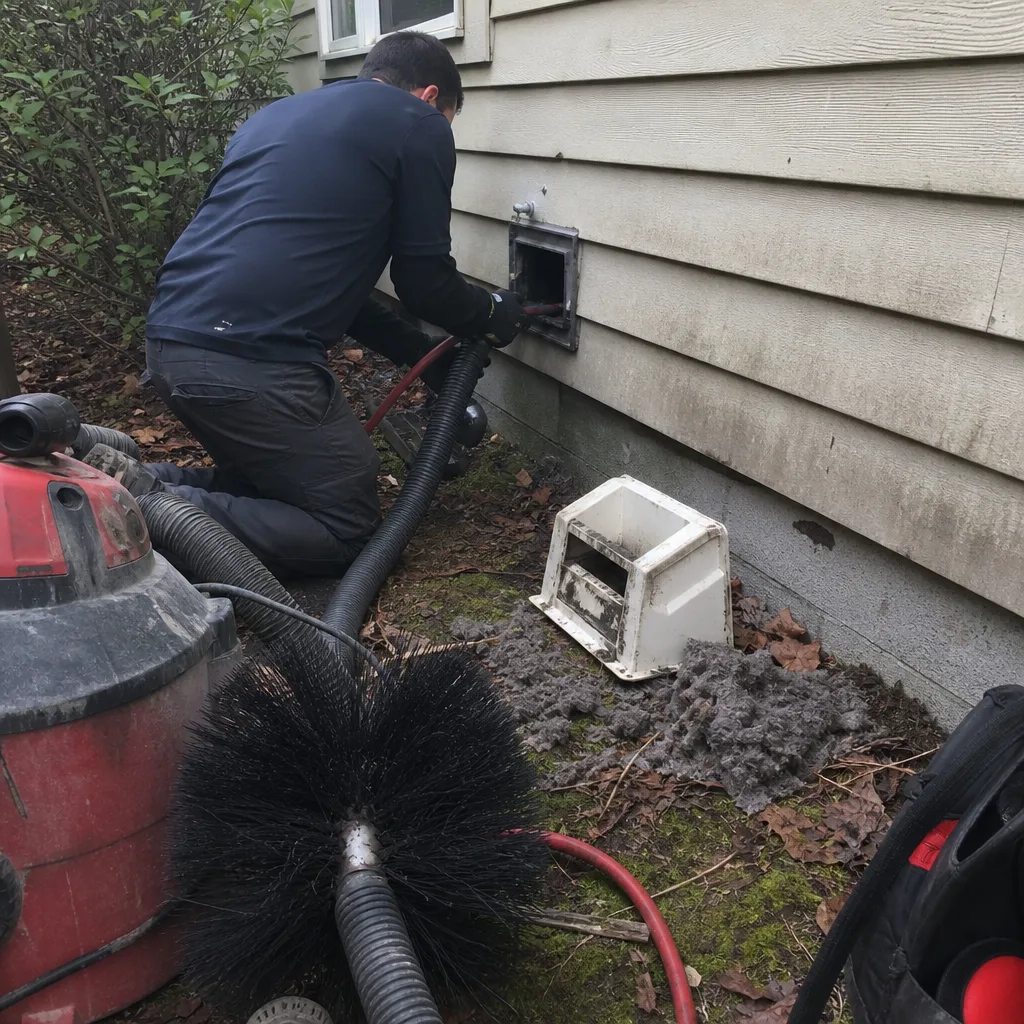 Before
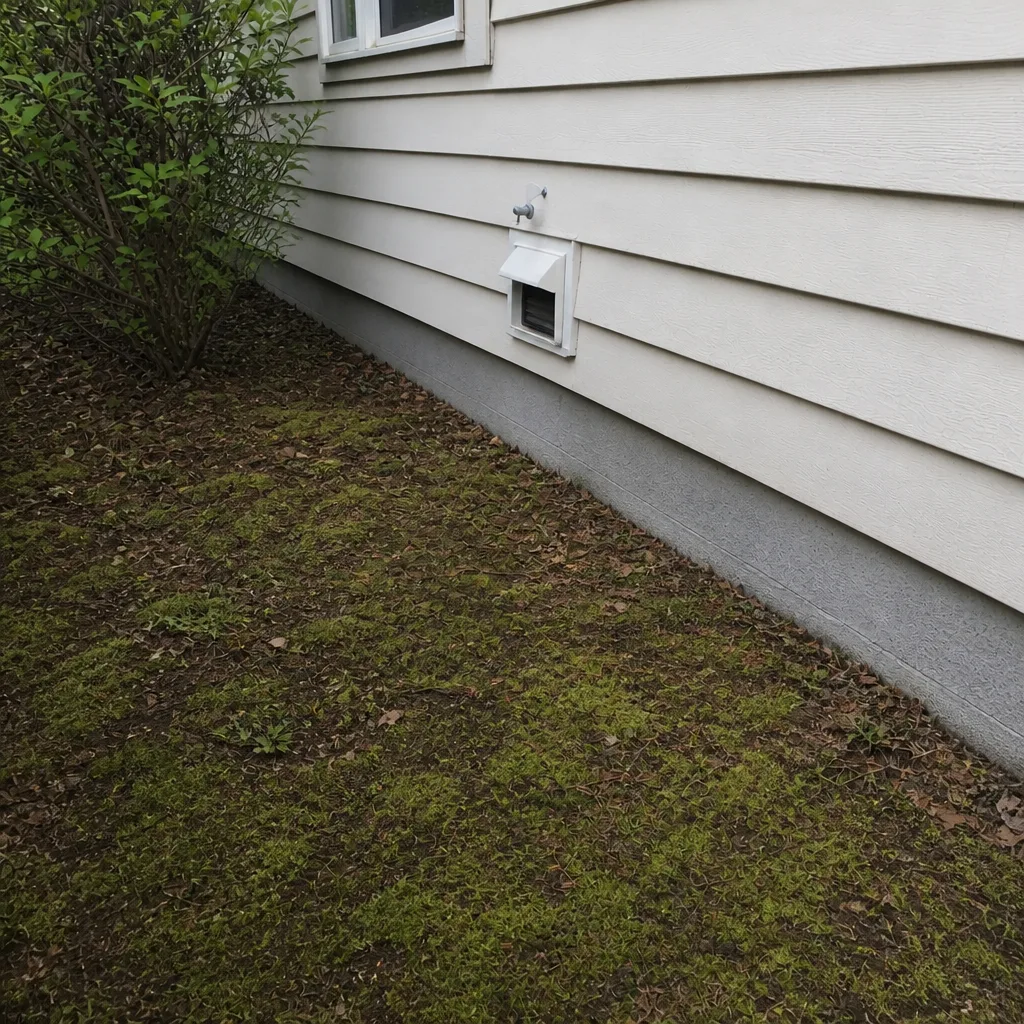 After
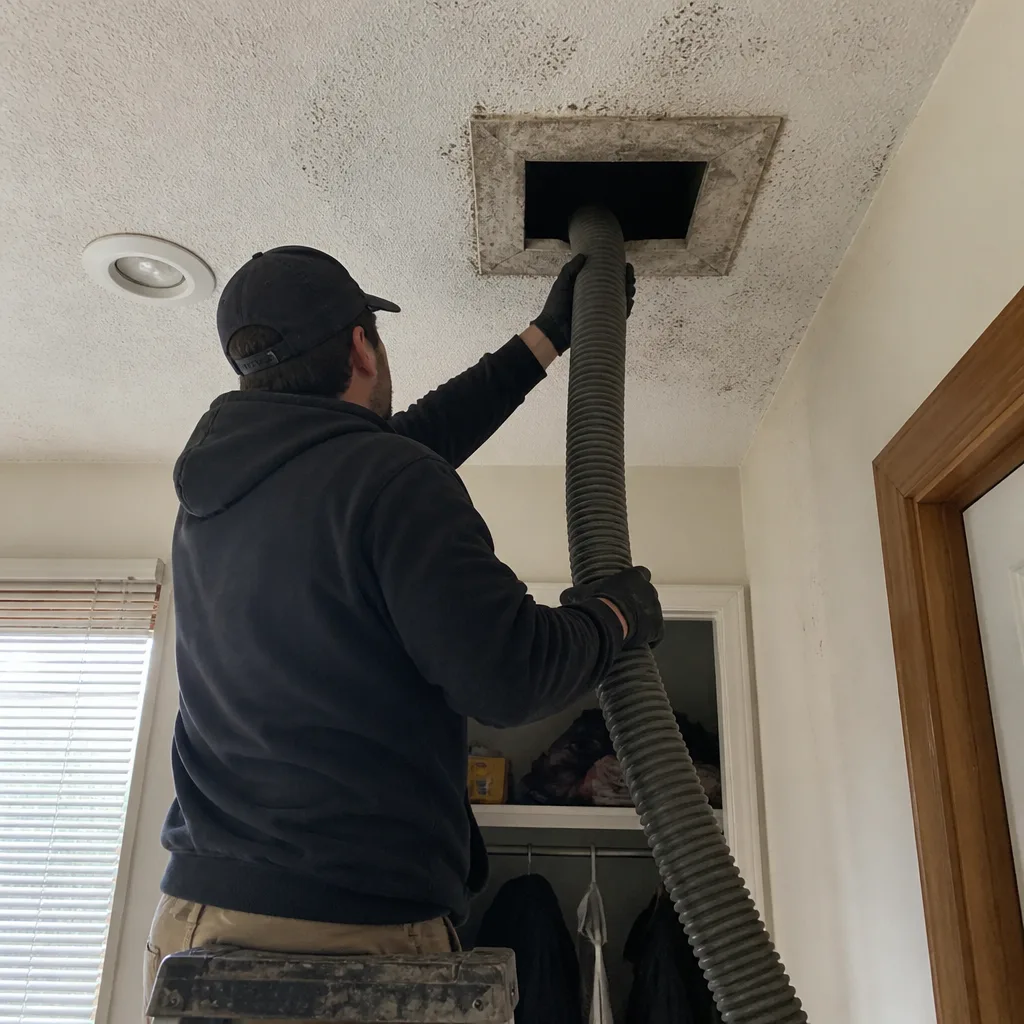 Before
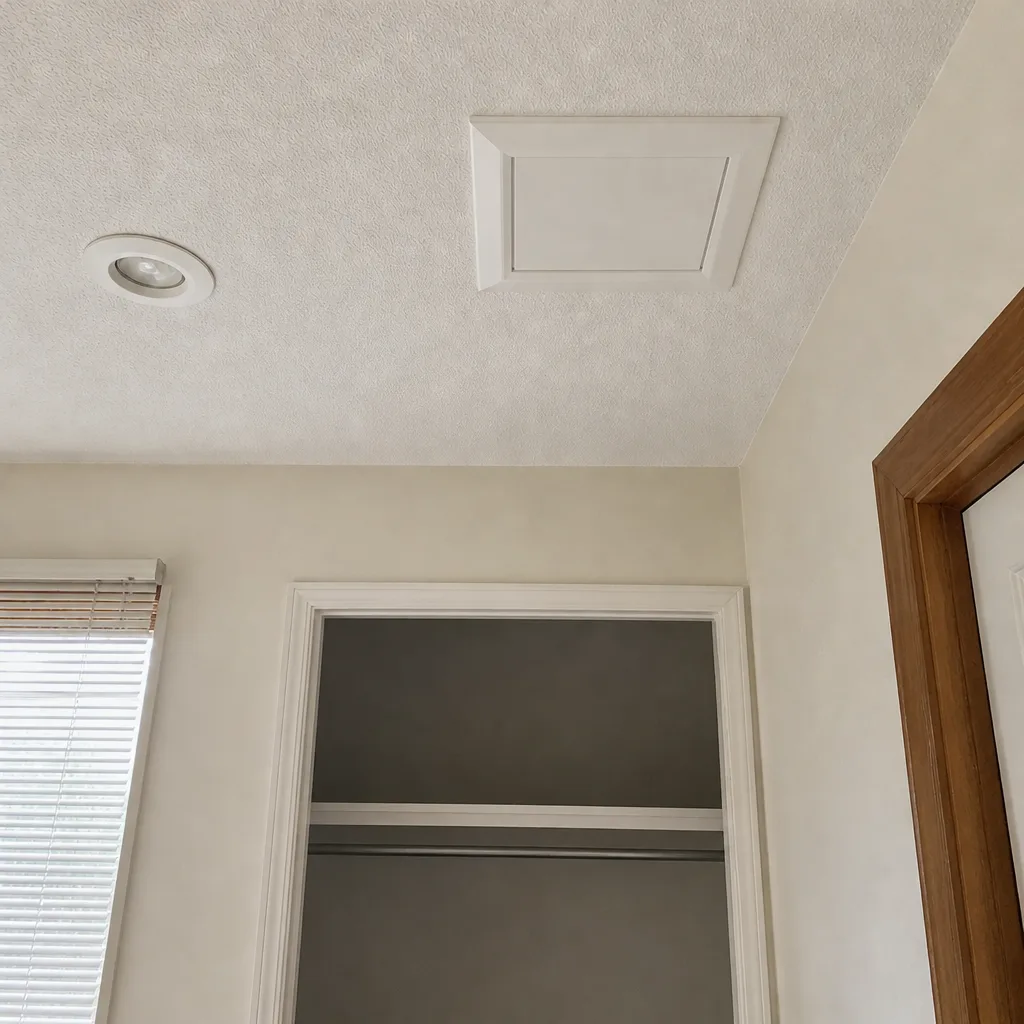 After
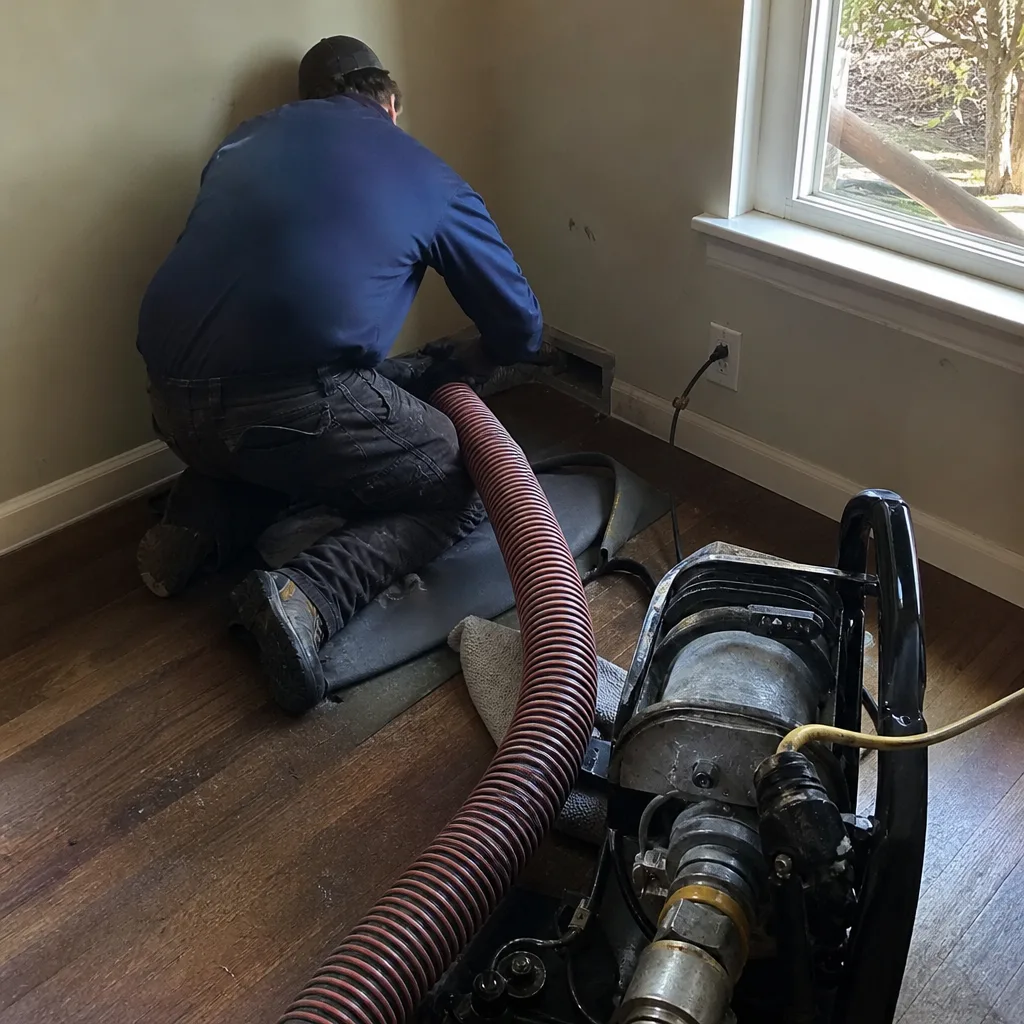 Before
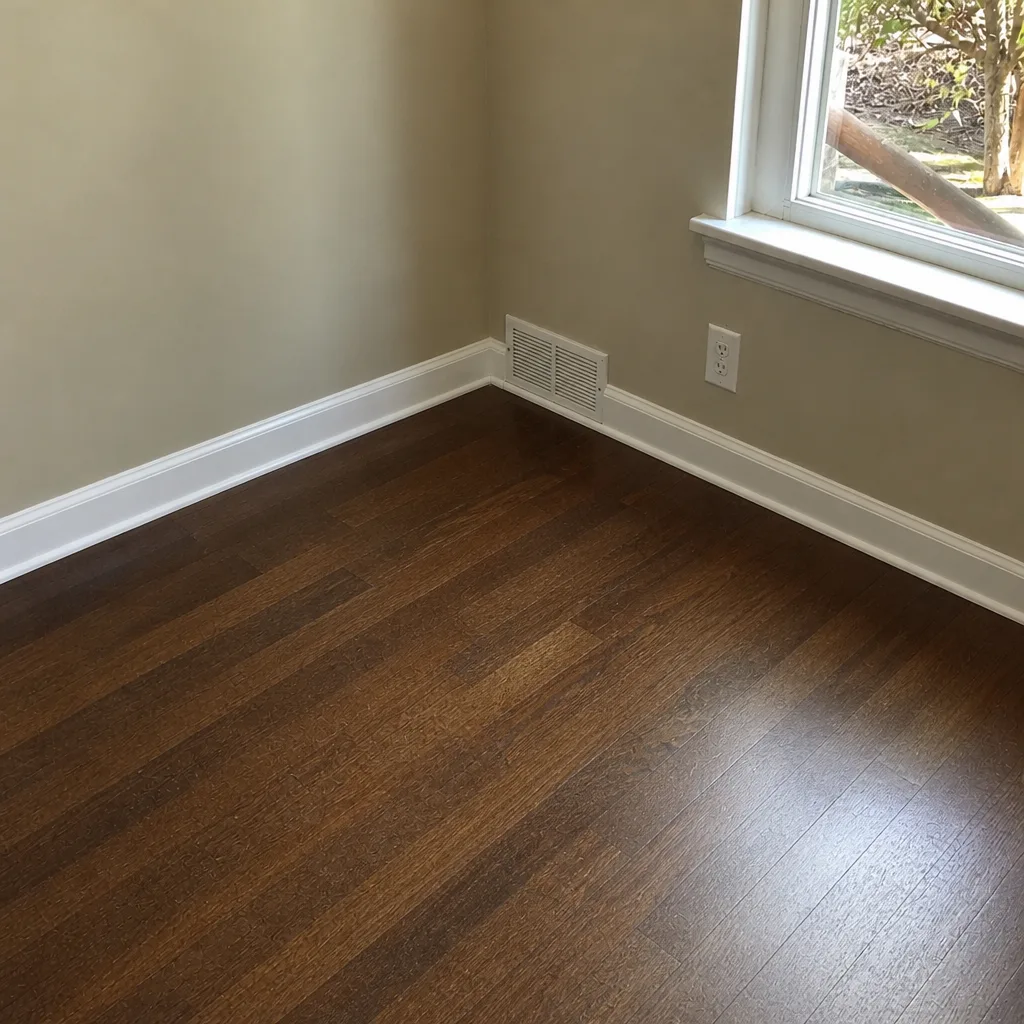 After
Frequently Asked Questions
Turn the air handler off. Set the thermostat to off, not to fan, close fresh-air intakes and windows, and place a standalone HEPA air cleaner in your main living space. Running the system on recirculate does not clear smoke from a contaminated duct interior, and it moves fine particulate through the house. After the air clears, schedule an inspection before restarting the system on a normal schedule. Call (855) 970-9419 for an exact quote on an inspection – estimates are free.
Post-event cleaning is priced per job by written estimate, not by the vent, because the scope depends on the contaminant type and how much of the system was affected. A standard cleaning and a post-flood remediation job are different scopes with different equipment requirements, and nobody can quote either one honestly without an inspection. We give you a flat price per system agreed before any work begins, with before-and-after photos of your own ducts. Call (855) 970-9419 for an exact quote – estimates are free.
Usually because they leave out the parts that matter. A low quote often skips containment, skips the air handler interior, and skips post-cleaning verification. That’s the difference between cleaning a duct system and actually remediating one, and the savings disappear when the contamination returns. Ask what equipment will be used and whether containment and documentation are included before you compare prices. Call (855) 970-9419 for an exact quote – estimates are free.
Ask for before-and-after photos of your own system, not stock photos. A contractor equipped for post-event work should be able to show you the interior of the ducts before cleaning and after, and the documentation that goes with it. We don’t charge extra for photos, and we won’t clean without them. If a contractor can’t produce that record, that tells you something. Call (855) 970-9419 for an exact quote – estimates are free.
No. Recirculation is a temperature control setting, not a filtration strategy. It moves air through the system at full volume, and if the duct interior is already carrying settled particulate from previous events or normal accumulation, that particulate comes along for the ride. You’re better off with the system off and a standalone HEPA unit in the room you use most. Call (855) 970-9419 for an exact quote after the event clears – estimates are free.
For most homes, a scheduled cleaning every few years is enough to keep accumulation from getting ahead of the system, but the events in this guide override that schedule. A smoke event, a flood, or a renovation is a trigger to inspect regardless of when the last cleaning happened. If your system was last cleaned years ago and you’ve since had any of the three events above, an inspection is the right next step. Call (855) 970-9419 for an exact quote – estimates are free.
The Bottom Line
The emergency isn’t the smoke or the water. It’s the hours afterward when the system is still running and nobody has looked inside. Shut the air handler off when an event is underway, inspect before you clean, document before you touch anything, and treat post-flood work as a different class of job than a scheduled cleaning. Capitol Hill homes with older mechanical rooms and duct systems that have been through a renovation or two are exactly the homes where those steps matter most. When the event is over, a proper inspection tells you what the cleaning scope actually needs to be. Call (855) 970-9419 for a free estimate. We answer 24/7, with fast dispatch from 7am to 7pm, Sunday through Friday.
Written by the team at Air Duct Cleaning Capitol Hill.