
Last updated November 22, 2026
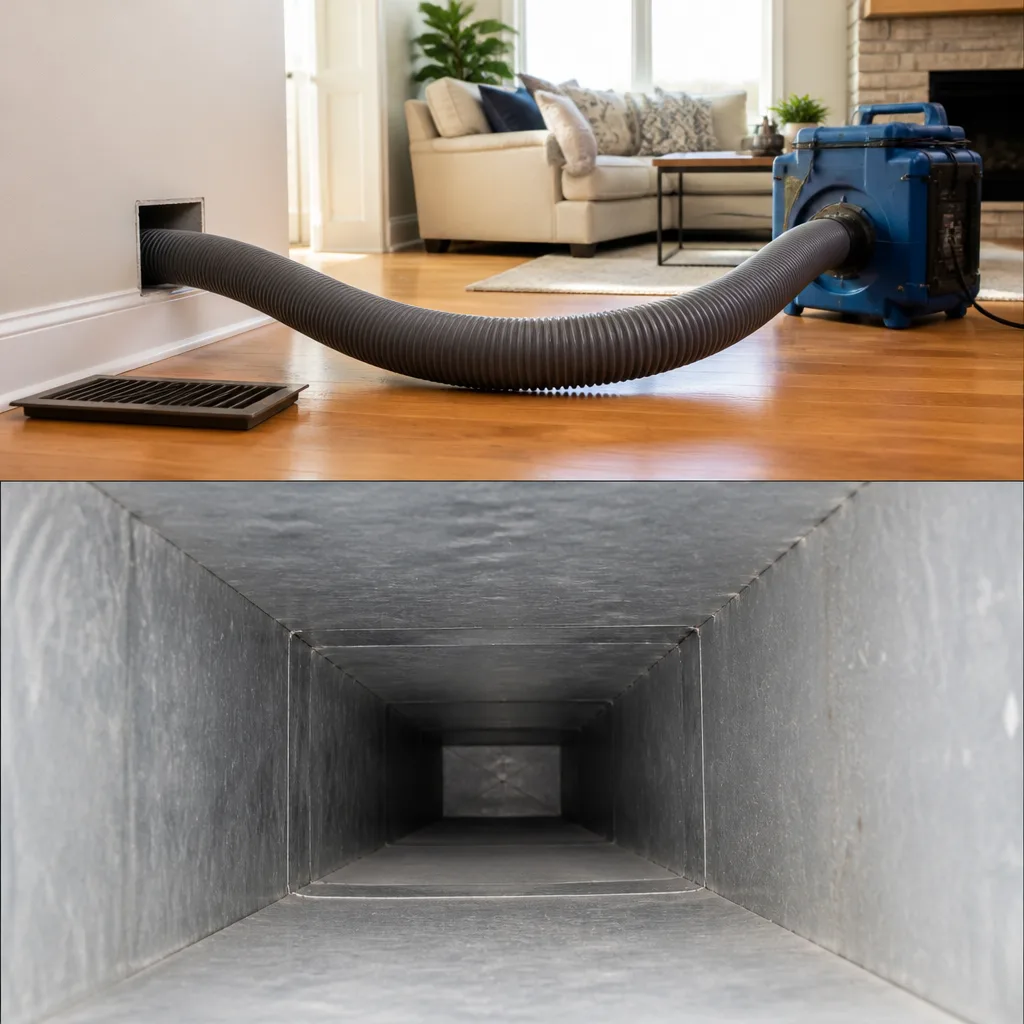 Whole-home duct cleaning
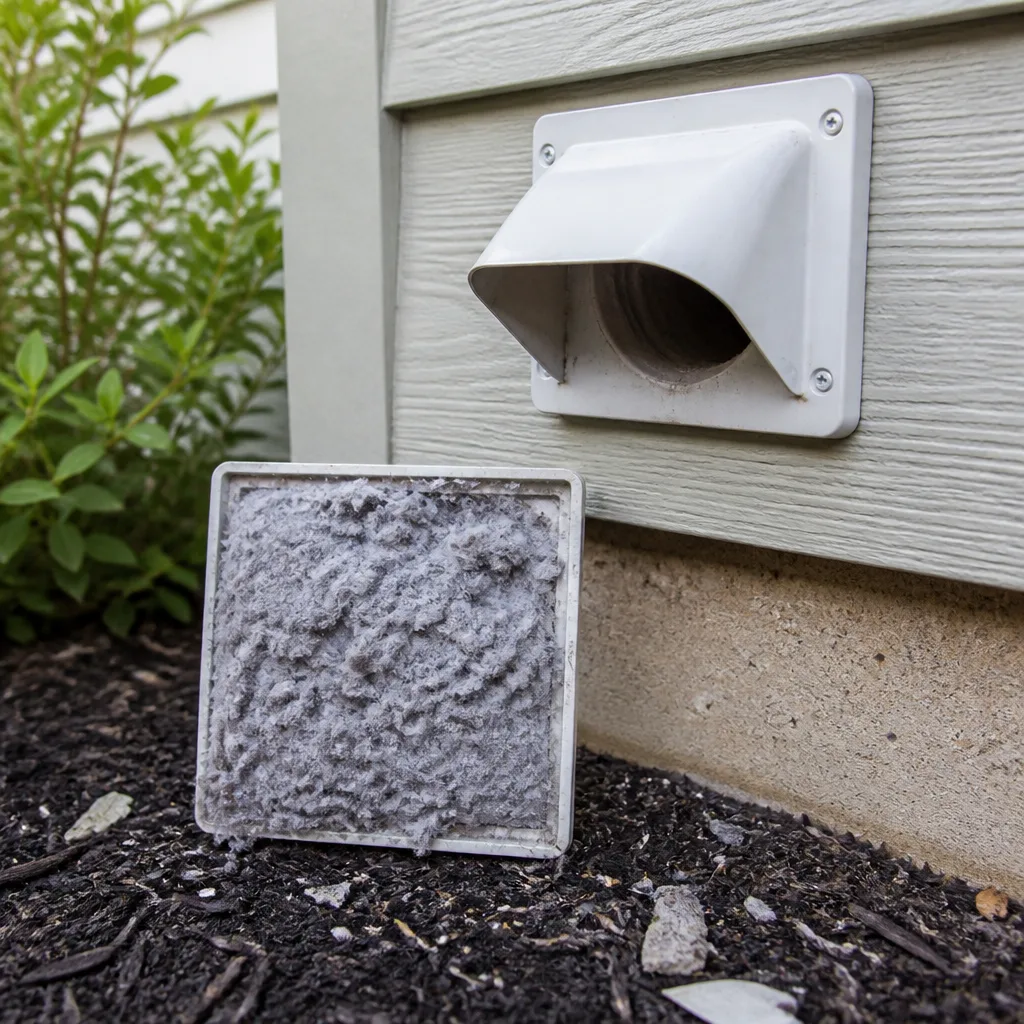 Dryer vent cleaning
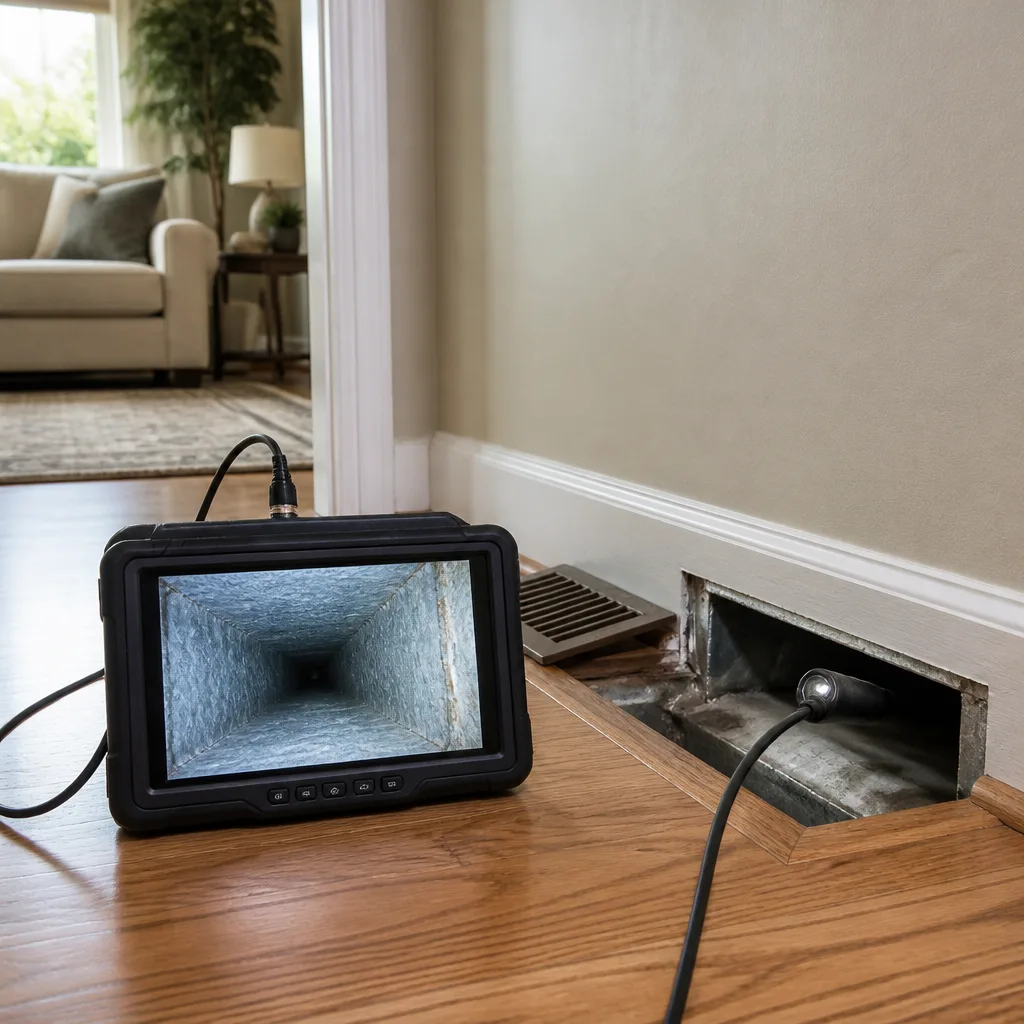 Camera inspection
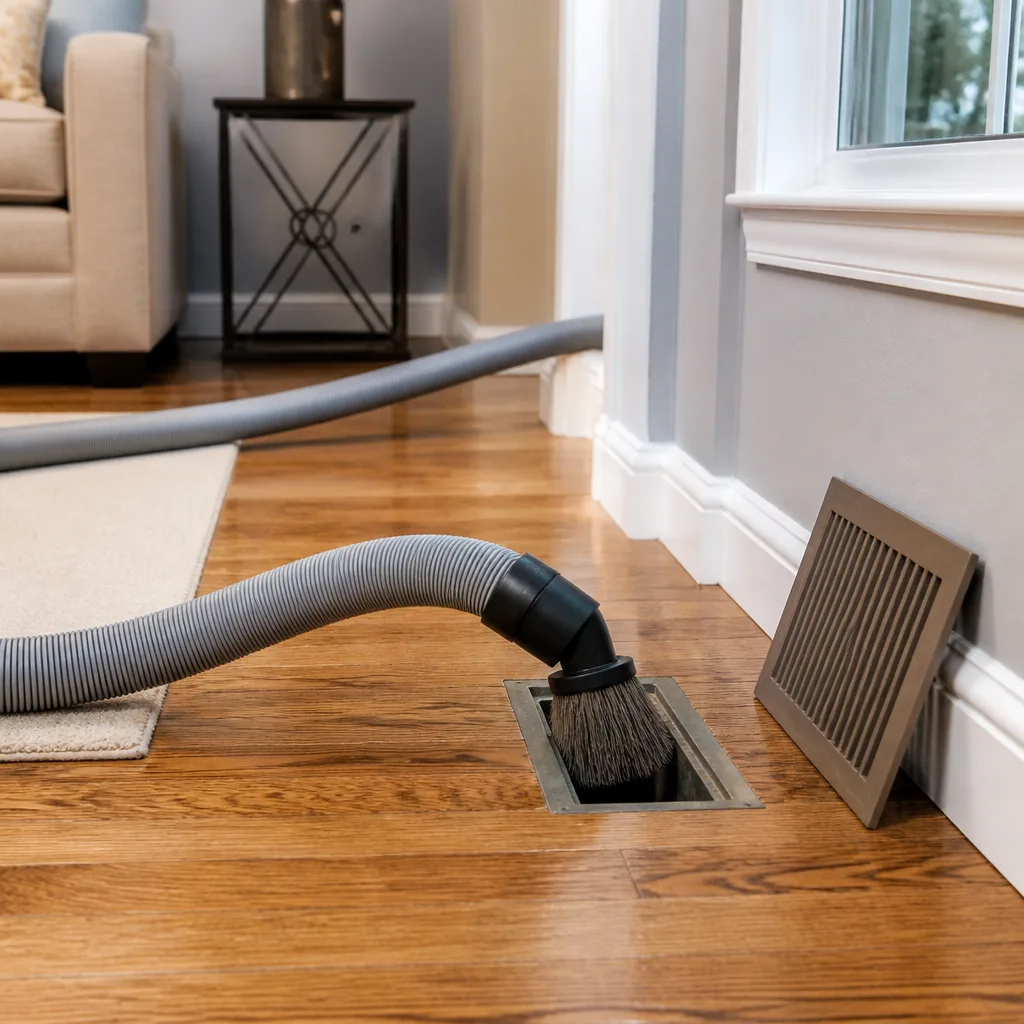 Sanitizing & deodorizing
Whole-system duct and dryer vent check with before-and-after photos - you see exactly what came out of your vents
That "$99 whole-house special" is a bait ad - the real number appears once they are in your hallway, or the "clean" is a shop-vac at the register. We photograph the inside of your ducts before and after instead.
Seasonal Air Duct Cleaning Care for Capitol Hill: Year-Round Homeowner’s Guide
Most homeowners here assume duct cleaning is a spring chore – crack the windows, flush the system, done until next year. That schedule was built for a climate with four even seasons. Capitol Hill doesn’t have that. It has a wildfire smoke season that parks fine particulate in your ducts through August and September, a wet season that puts condensation risk inside metal ductwork from November into March, a spring pollen surge fed by the maples and cherries along 15th Ave and around Cal Anderson, and a summer HVAC startup window where a winter’s accumulation gets pushed through every room in the house. Each season creates a different problem, and each one calls for a different response. This guide walks through the year month by month so you know what to check, what to clean, and when it actually matters. If you’d rather skip ahead and get a real assessment, call (855) 970-9419.
Quick Answer
The right seasonal duct cleaning schedule for a Capitol Hill home is not spring-and-fall. It runs October (post-wildfire-smoke cleaning, the highest-priority window of the year), then a pre-summer startup inspection in May or June before you switch from heating to cooling. Filter upgrades belong in late winter, ahead of the spring pollen surge. Wet-season monitoring from November through March catches condensation before it becomes a mold problem. Cleaning on a calendar instead of on your system’s actual load is the single most common mistake we see in Capitol Hill.
Styles & brands we work with
- Whole-home duct cleaning
- Dryer vent cleaning
- Camera inspection
- Sanitizing & deodorizing
Table of Contents
- Why a Standard Four-Season Schedule Fails in Capitol Hill
- October: The Highest-Priority Cleaning Window of the Year
- November Through March: Wet-Season Condensation Risk
- Late Winter to Spring: Pollen Loading and Filter Timing
- May and June: The Pre-Summer Startup Inspection
- July and August: Running the System Through Smoke Season
- The Capitol Hill Month-by-Month Action Calendar
- Why Cleaning Alone Isn’t Enough: Repair and Sealing
Why a Standard Four-Season Schedule Fails in Capitol Hill
National duct cleaning advice assumes your system runs in a predictable rhythm: heavy in winter, heavy in summer, light in between, with an annual cleaning at some neutral point. Capitol Hill’s climate doesn’t cooperate. Smoke season, wet season, pollen season, and startup season stack on top of each other in ways a generic calendar can’t account for.
The concrete example is wildfire smoke. When the regional air quality index climbs during August and September smoke events, every hour your HVAC system runs is pulling that fine particulate through the return and depositing a fraction of it on the interior surfaces of your ductwork. By the time the air clears in October, your ducts are carrying a load they weren’t carrying in June. A spring cleaning schedule misses that entirely – it cleans the system, then the heaviest loading event of the year happens six months later and sits there until the following spring.
The wet season creates a different problem. From November through March, outdoor air is cold and often saturated. When your heating cycles are inconsistent – mild days when the system barely runs, cold snaps when it runs hard – the interior of metal ductwork can swing between warm and cool, and moisture can condense on cold surfaces. That condensation is the seed for mold growth. It’s not a cleaning problem at first, it’s a monitoring problem.
Spring is a pollen problem, and Capitol Hill’s tree canopy makes it a real one. The maples and flowering cherries along 15th Ave and around Cal Anderson Park release pollen heavily for a compressed window. If your filter isn’t upgraded before that window opens, the pollen goes past the filter and into the duct system, where it settles and becomes food for everything that follows.
Then there’s the summer startup. The first hot week of the year, you switch from heating to cooling, and the system that just spent six months circulating winter air through a duct interior that hasn’t been cleaned starts pushing whatever accumulated through every room. That’s why the pre-summer inspection matters more than most homeowners realize. It’s the difference between starting the cooling season with a clean system and starting it by distributing a winter’s worth of accumulation.
None of this means you need to clean your ducts four times a year. It means the timing of a single annual cleaning matters, and October is the right anchor for most Capitol Hill homes. The rest of the year is about monitoring and light maintenance between the cleanings. For a broader walkthrough of what a full service visit involves, see our air duct cleaning page.
October: The Highest-Priority Cleaning Window of the Year
October is the highest-priority duct cleaning window for Capitol Hill homes, not spring. Here’s the reasoning: it’s the first month after smoke season ends, so the system carries its heaviest particulate load of the year, and it’s the last month before the wet season begins, so cleaning now gives you a clean interior going into the months when condensation risk is highest.
Why the timing works:
- Smoke season is over. The August and September wildfire events that push the regional AQI high have passed. Whatever particulate entered the system during those weeks is now settled on duct surfaces.
- The heating season is just starting. You haven’t yet begun running the furnace consistently, which means you’re cleaning the system before the first heavy push of warm air distributes winter dust through the house.
- The wet season is ahead. November through March brings condensation risk. Cleaning in October means the interior is clean when that risk period starts, not six months into it.
- You have a clean baseline for the holidays. For households that entertain or host family in late fall and winter, cleaning in October means the air circulating through the house during those months is coming from a clean system.
What October cleaning actually involves for a Capitol Hill home: a full source-removal pass on the supply and return runs using professional-grade equipment (we use Rotobrush and Nikro systems, not shop vacuums), followed by containment and filtration of the work area with Abatement Technologies equipment so the cleaning doesn’t just redistribute dust into the living space. Then a visual before-and-after photo set of the duct interior, so you can see what was actually removed rather than take it on faith.
If you’ve had a duct cleaning in the past but it happened in spring, the October window is your chance to break the cycle. Clean in October, and the next spring becomes about filter upgrades and a light inspection rather than a full cleaning. That’s the schedule shift that most changes the air quality in a Capitol Hill home.
November Through March: Wet-Season Condensation Risk
Seattle’s wet season – November through March – creates a condensation risk inside ductwork that most cleaning advice ignores. The mechanism is straightforward: outdoor air is cold and often saturated with moisture, and heating cycles in a mild winter are inconsistent. On mild days the system barely runs, so duct surfaces cool toward the outdoor temperature. On cold snaps it runs hard, pushing warm air through. Those swings between warm and cool interiors, especially in metal ductwork, can let moisture condense on cold surfaces.
Condensation itself is not a crisis. It becomes one when it persists. Damp duct interiors are ideal conditions for mold and microbial growth. That growth is what produces the musty, earthy, “old basement” smell that homeowners in Capitol Hill often notice in winter but can’t trace to a source.
What to monitor during the wet season:
- Odor. A musty smell that appears when the heat kicks on and fades when the system is off is the classic sign of a damp duct interior. Note when it appears – first heat cycle of the day, after a cold snap – and mention it if you call for an inspection.
- Condensation on registers. If the metal supply registers sweat visibly during heating cycles, that’s a sign the duct run behind them is running cool and the humid indoor air is condensing on the surface. Worth checking.
- Filter condition. A filter that’s loading up quickly in winter can indicate that dust and moisture are combining in the return. Check monthly and replace when the surface is visibly loaded.
- Humidity inside the home. Households that run humidifiers heavily during the wet season are adding indoor moisture that has to go somewhere. Keep indoor humidity reasonable; if it’s consistently high, the system is the first place moisture-related problems show up.
- Return grille dust patterns. Uneven dust distribution on the return grille can indicate air is bypassing the filter and carrying dust into the duct run. A sealing problem, not just a cleaning problem.
If you notice any of these during the wet season, the right response is an inspection, not a cleaning on spec. Sometimes the answer is a light cleaning and a dehumidification adjustment. Sometimes it’s a duct repair to close a gap that’s letting outdoor air enter the run. Sometimes the system is fine and the smell is coming from somewhere else. For a duct system that includes an HVAC component you want inspected at the same time, our HVAC cleaning service covers the air handler and coil in the same visit so you get one answer instead of three.
Late Winter to Spring: Pollen Loading and Filter Timing
Capitol Hill’s tree canopy makes spring pollen a duct problem, not just an outdoor inconvenience. The maples and flowering cherries along 15th Ave and around Cal Anderson Park release pollen for a compressed window in early-to-mid spring, and the volume is high. If your filter isn’t upgraded before that window opens, a substantial fraction of that pollen passes the filter and settles in the duct run, where it stays.
The timing that matters: upgrade your filter in late February or early March, before the first pollen release. Changing the filter in mid-April, after the surge has already passed, is a common mistake – by then the pollen has already moved into the system, and a fresh filter on top of a loaded duct interior doesn’t do much.
Filter choice for Capitol Hill homes:
- Late winter (February – March): upgrade to a higher-MERV filter ahead of the pollen window. Check that the filter is compatible with your system’s airflow rating – a too-restrictive filter can strain the blower.
- Spring (April – May): check monthly. Pollen loading shows up fast. Replace when visibly loaded, not on a fixed schedule.
- Summer (June – August): back to a standard filter if your system needs the airflow; smoke season is more about sealing and cleaning than filter only, though a high-MERV filter during smoke events helps.
- Fall (September – October): check after smoke season, replace, and pair the replacement with the October cleaning.
An upgraded filter doesn’t replace duct cleaning, but it does reduce the load between cleanings. For households where allergies are the driving concern, we also offer air sanitizing as a follow-on to a cleaning. The combination of a higher-MERV filter, an October cleaning, and sanitizing after wet season is the layered approach that actually changes what you’re breathing. If you’re not sure what filter your system can take, mention it on the call and the technician will check airflow at the same time.
May and June: The Pre-Summer Startup Inspection
The single highest-value check on the Capitol Hill seasonal calendar is the pre-summer startup inspection, in May or June, before you switch from heating to cooling. Here’s what it’s for: your system just spent six months circulating winter air through the house, and the duct interior has accumulated whatever it accumulated over that period. Before you start running cooling, you want to know the system is clean, sealed, and ready to push air through every room.
The pre-summer check, step by step:
- Visual inspection of the returns. Pull the return grille and check the duct interior behind it. A visible layer of dust, construction debris, or debris from the winter is a sign the system needs cleaning before cooling season.
- Filter check and replacement. Replace the filter before the first cooling run, not after. A fresh filter going into the cooling season starts you clean.
- Sealing check. Look for gaps at duct joints, especially in attics, crawlspaces, and where runs connect to the air handler. A gap that lets outdoor air into the run is the most common efficiency problem we find in Capitol Hill homes – the system is running longer and working harder than it needs to because it’s losing air it doesn’t have to lose.
- Airflow check at every register. Walk the house and feel the air at each supply register. Weak or uneven airflow at one register is a sign of a duct problem (a leak, a disconnected run, or a collapsed section) rather than a system problem.
- Smell check. Run the system for a few minutes and note whether you smell anything musty or dusty. If you do, that’s the signal to schedule a cleaning before the cooling season rather than after.
- Schedule the cleaning if needed. If any of the above turns up an issue, the cleaning happens before you switch to cooling. If you’re going to clean, cleaning before the smoke season is much less valuable than cleaning after – so if the inspection happens in May or June and the system looks fine, the next cleaning window is October.
The reason the pre-summer check is so valuable is that it happens at the one point in the year where you have a clean read on what the system accumulated over winter. By July, that evidence is mixed with smoke season particulate. Check in May or June, clean if needed, and you go into smoke season with a clean system. For an edge-to-edge look at what the full inspection involves, that’s part of our core Air Duct Cleaning Capitol Hill service.
July and August: Running the System Through Smoke Season
July and August in Capitol Hill are when the system faces its heaviest load. Wildfire smoke is regional, not local, but the effect on your duct interior is local: every hour the system runs during a smoke event is pulling fine particulate through the return and depositing a fraction of it inside the ductwork. The interior doesn’t clear itself between events. The particulate accumulates.
What to do during smoke season:
- Keep the windows closed and the system running. Shutting the system down during a smoke event sounds intuitive but usually creates a worse problem, because the house heats up and you have to ventilate with windows open. Running the system with a good filter is the better trade.
- Upgrade the filter if you can. A higher-MERV filter during smoke events captures more of the fine particulate before it reaches the ducts. Check airflow compatibility, and replace frequently during heavy events.
- Skip the whole-house fan. If you have one, resist the urge to run it during smoke events. It pulls outdoor air straight into the living space, which is the opposite of what you want.
- Note the heavy days. Keep a rough mental note of how many heavy smoke days you had. That’s the number that determines whether October cleaning is a nice-to-have or a priority.
One detail we’ve seen matter: don’t try to compensate for smoke season by deep cleaning your ducts in August. The heavy loading event is still happening, and the cleaning will be partly undone by the time smoke season ends. The right move is to keep the system running with a good filter through August and September, then clean in October when the loading is complete. That’s the schedule shift that actually removes the smoke season particulate from your home instead of just moving it around.
The Capitol Hill Month-by-Month Action Calendar
Here’s the whole year in one table. Print it, stick it on the fridge, and the decisions are already made.
- January: Wet-season monitoring. Note any musty smell on the first heat cycle of the day, check the filter, check for condensation on registers.
- February: Upgrade filter to higher MERV ahead of the pollen window. Schedule the pre-spring inspection if you haven’t had one.
- March: Pollen season begins. Check filter monthly. Note any increase in indoor dust or allergy symptoms.
- April: Peak pollen season. Continue monthly filter checks. If the system was not cleaned the previous fall, this is the last good window before summer.
- May: Pre-summer startup inspection. Check returns, filter, sealing, airflow per register. Schedule a cleaning if the inspection flags an issue.
- June: Switch to cooling. Watch for uneven airflow at registers during the first cooling cycles.
- July: Smoke season monitoring begins. Run the system with a high-MERV filter, don’t run the whole-house fan, note heavy smoke days.
- August: Peak smoke season. Keep the system running and the filter current. No duct cleaning this month – you’ll undo it.
- September: Smoke season winds down. Last heavy load. Schedule the October cleaning now rather than waiting.
- October: The main cleaning window. Full source-removal cleaning, containment, before-and-after photos. This is the one date on the calendar that matters most.
- November: Wet season begins. Filter replacement after smoke season. Monitoring begins again.
- December: Wet-season monitoring continues. If you host family over the holidays, the October cleaning means the air circulating through the house is coming from a clean system.
Two things stand out in this calendar. First, the cleaning anchors to October, not spring. Second, the rest of the year is monitoring and light maintenance, not another cleaning. The calendar is about knowing when to look, not about more services. And if the dryer is on your radar, that’s a separate schedule – dryer vent cleaning is best done annually, and the safety case for it is stronger than most homeowners realize.
Why Cleaning Alone Isn’t Enough: Repair and Sealing
Clean ducts are only half the job. A duct system that’s clean but leaking will re-contaminate the moment you close the access panel – outdoor air and attic dust enter through the gaps, and the system starts loading up again. That’s why duct repair and sealing are core services for us, not an upsell. Cleaning without sealing is a cleaning you’ll repeat sooner.
What sealing actually does:
- Stops re-contamination. A seated, sealed joint doesn’t let outdoor air into the run, which means cleaning lasts longer.
- Addresses energy loss. Leaky ducts in an unconditioned space lose conditioned air before it reaches the room. That loss shows up as longer run times and higher bills. Sealing recovers it.
- Improves airflow distribution. Weak registers in a house with otherwise good airflow are usually a leaking or disconnected duct run. Sealing and reconnecting fixes the register, not just the leak.
- Makes sanitizing worthwhile. Air sanitizing after a cleaning is most effective on a sealed system where the sanitizer reaches the whole interior. On a leaking system, part of it escapes.
For Capitol Hill homes, the repair and sealing piece matters because many of the houses are older and the ductwork was installed long before current sealing standards. Gaps at joints, disconnected runs in the attic, and gaps where the return connects to the air handler are the most common findings. Sealing those gaps is a one-visit fix that changes how the system behaves for the rest of the year. If you want to combine cleaning, sealing, and sanitizing into one visit, our team handles the full scope from a single provider – one call for the whole system, not three separate contractors.
Common Mistakes to Avoid
- Cleaning in spring instead of October. Spring cleaning is a habit borrowed from climates with a neutral summer and no smoke season. In Capitol Hill it means you clean, then the heaviest loading event of the year happens six months later and sits in the ducts until the following spring. Anchor the cleaning to October.
- Changing the filter in mid-April. By mid-April, the March pollen surge has passed. If you want the filter to do its job, it needs to go in before the surge, in late February or early March, not after.
- Running a whole-house fan during smoke events. It pulls smoke directly into the living space. Keep it off and keep the HVAC running with a good filter.
- Ignoring the wet-season musty smell. A musty smell on the first heat cycle of the day is the most reliable sign of a damp duct interior. Note the timing and mention it on an inspection call. Ignoring it into spring means the moisture has had four more months to work.
- Assuming uneven airflow is a system problem. Weak registers usually mean a leaking or disconnected duct run, not a failing blower. Seal before you replace.
- Hiring a shop-vac cleaning. A consumer vacuum on a duct system stirs dust into the air and misses the settled debris in the runs. The cleaning needs to be done with professional-grade equipment designed for source removal.
- Cleaning once and skipping sealing. Clean ducts on a leaking system will be dirty again within the year. If the technician finds gaps, seal them in the same visit.
See the difference
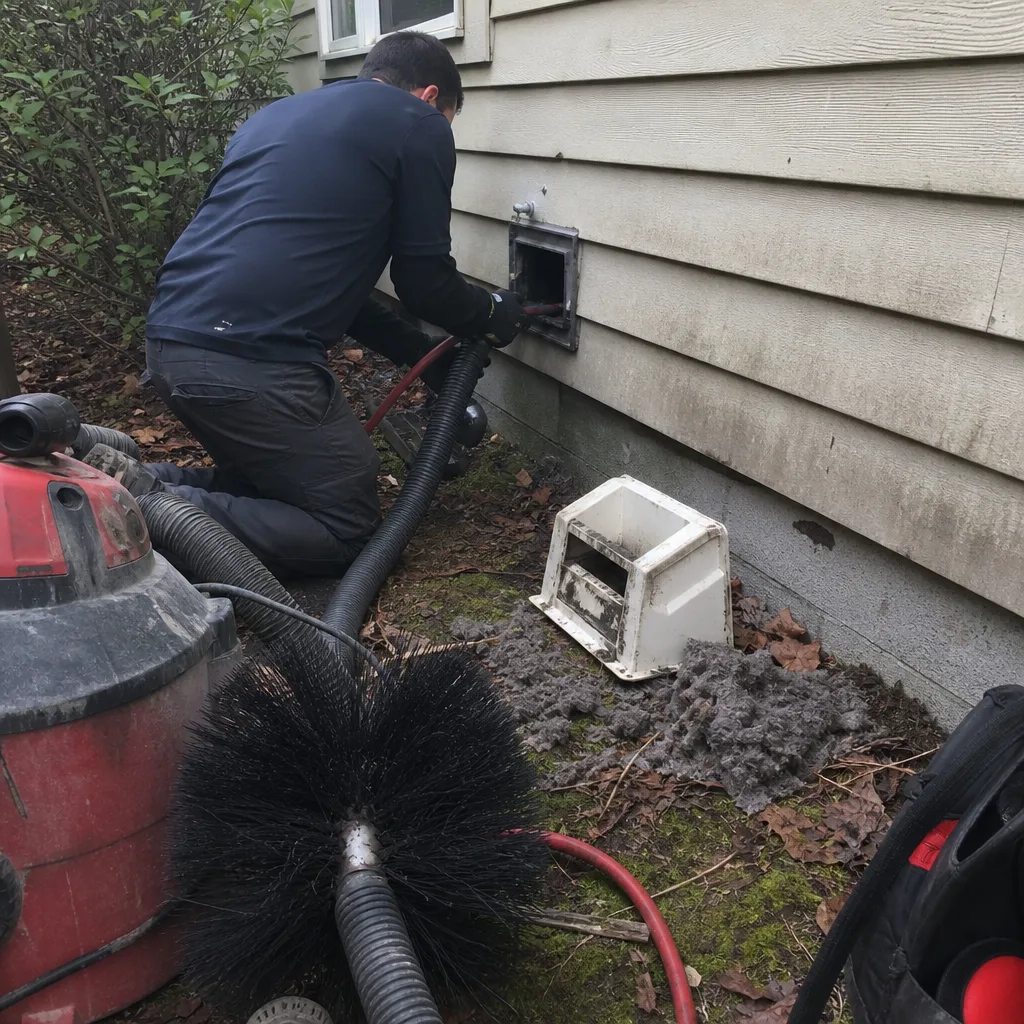 Before
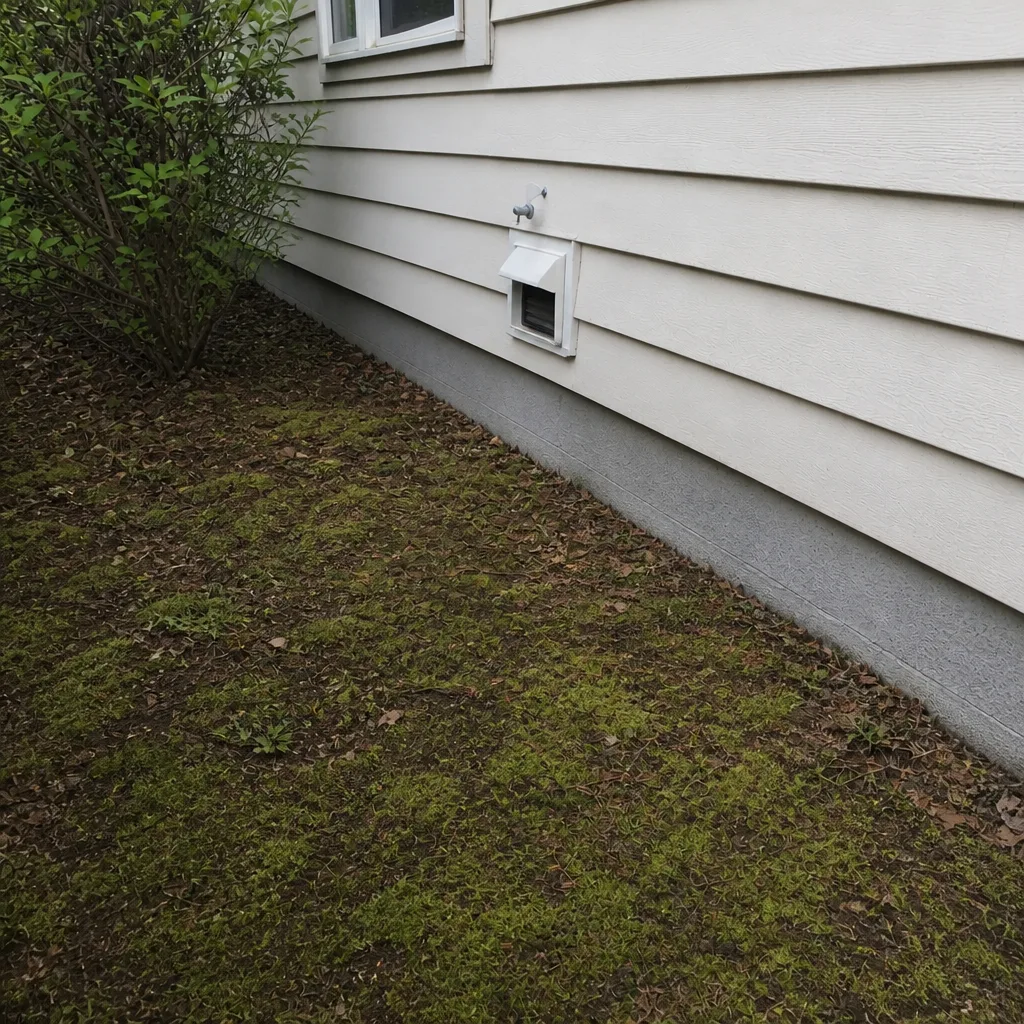 After
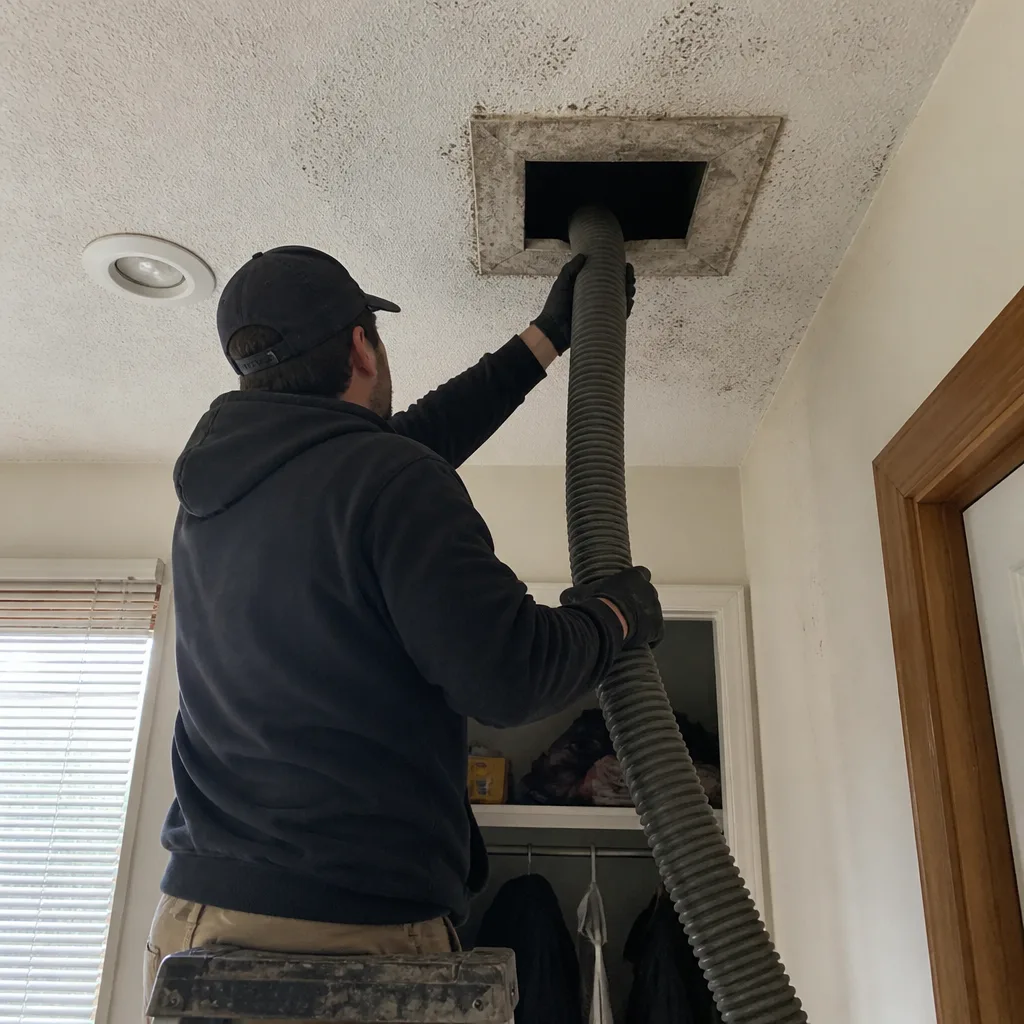 Before
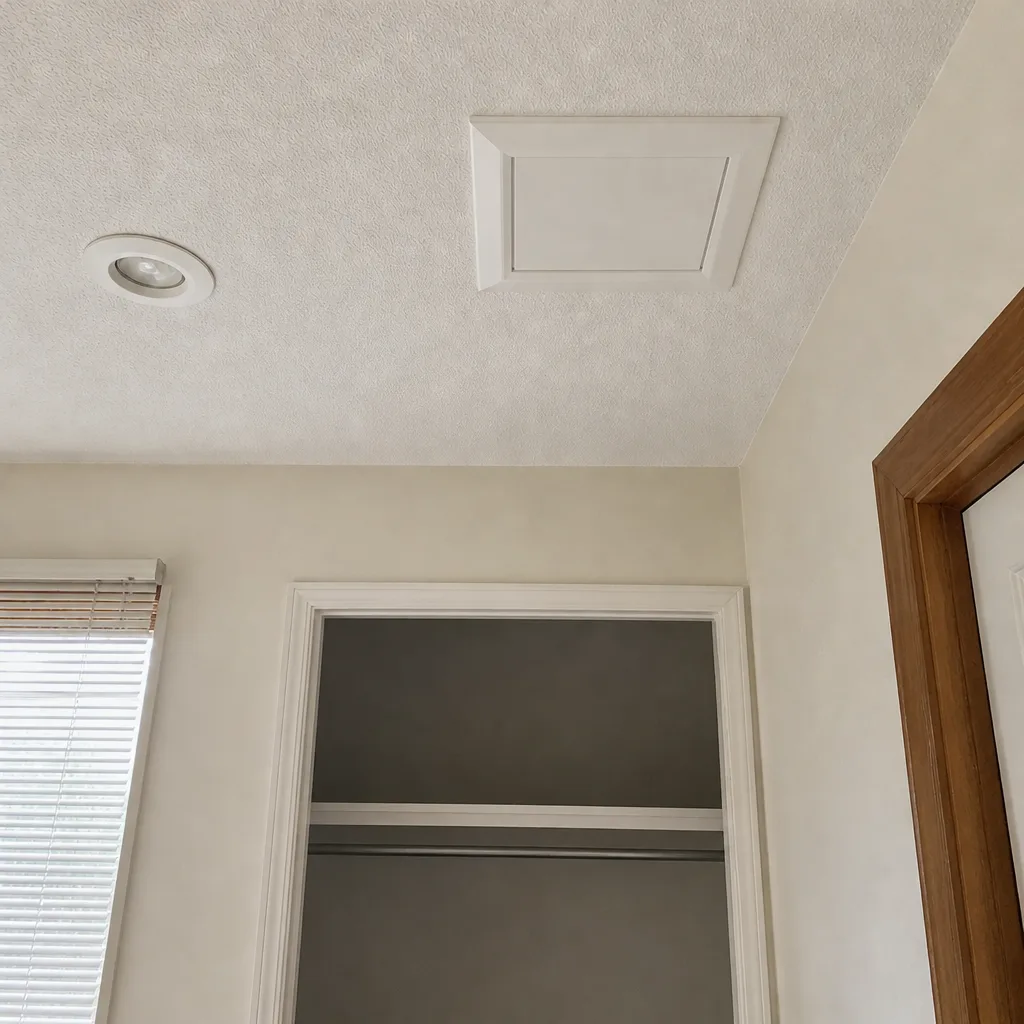 After
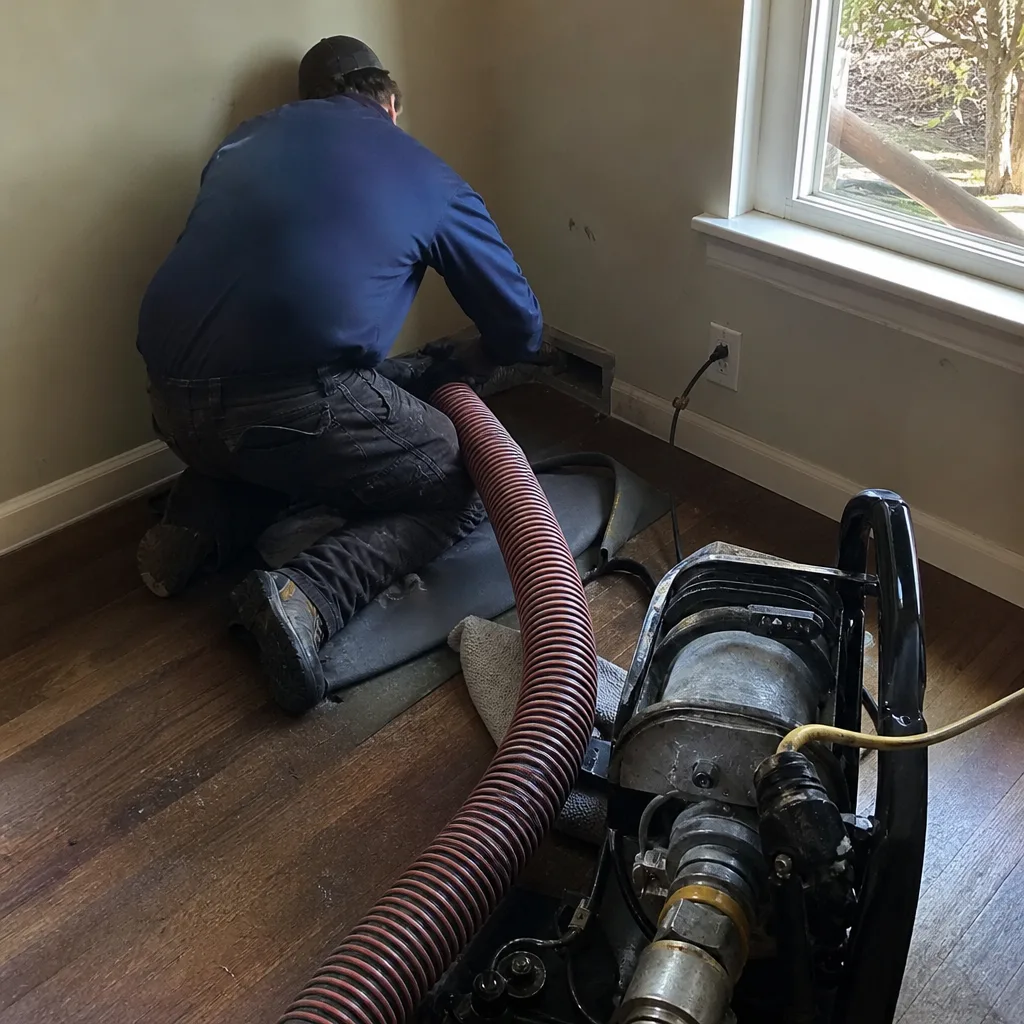 Before
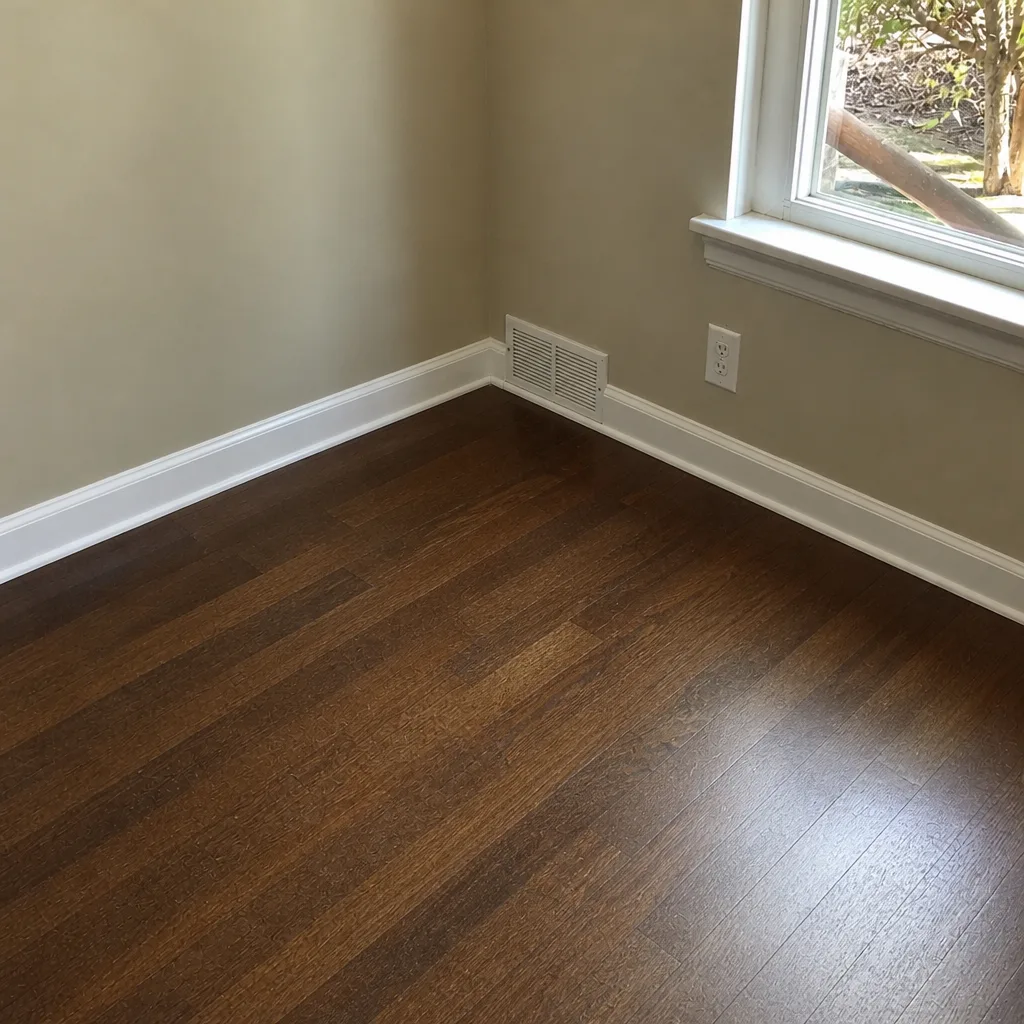 After
When to Call a Professional
Some of the checklist above you can do yourself: filter checks, visual inspections behind the return grilles, feeling airflow at each register, noting a musty smell. Others need a trained eye and professional equipment. Call a professional if any of the following applies:
- You smell musty, earthy, or “old basement” odor when the heat kicks on and it fades when the system is off.
- You can see a visible layer of dust or debris on the duct interior behind the return grille.
- One or more registers has noticeably weaker airflow than the others, or airflow changed this year versus last.
- You had a heavy smoke season (note the number of days) and haven’t cleaned the ducts since before it started.
- You’re planning to switch from heating to cooling and haven’t had the system inspected in over a year.
- Anyone in the house has worsening allergy or respiratory symptoms that track with time spent indoors.
- You see condensation on the supply registers during heating cycles, or dampness anywhere along a visible duct run.
Air Duct Cleaning Capitol Hill offers free estimates in Capitol Hill – call (855) 970-9419. We answer 24/7, and fast dispatch runs from 7am to 7pm, Sunday through Friday. The written estimate sets the final price, and it’s flat per system rather than per vent, so there’s no surprise invoice once the technician is on site. Before-and-after photos of your own ducts come with every cleaning.
Frequently Asked Questions
For most Capitol Hill homes, once a year in October is the right schedule, aligned to the post-wildfire-smoke window rather than the traditional spring-and-fall pattern. Homes with allergies, pets, or a heavy smoke season may need a supplementary inspection in late winter. Homes on a duct system that’s been sealed and upgraded with a higher-MERV filter can sometimes stretch to eighteen months, but October is the anchor to aim for. Call (855) 970-9419 for an exact quote on your system – estimates are free.
October is the highest-priority cleaning window because it’s the first month after smoke season ends and the last month before the wet season begins. The system carries its heaviest particulate load of the year at that point, and cleaning in October gives you a clean interior going into the months when condensation risk is highest. Cleaning in spring means the heaviest loading event of the year (August and September smoke) happens six months after the cleaning.
Air duct cleaning is priced per system, not per vent, and the written estimate sets the final price after a technician assesses your system – so we don’t quote a number before we’ve seen it. What we can tell you is the pricing model: flat per system, agreed before work starts, with before-and-after photos included. If a quote you’ve received is dramatically lower than others, read the terms carefully; per-vent pricing and teaser coupons are the most common source of invoice surprises. Call (855) 970-9419 for an exact quote – estimates are free.
Cheap quotes usually reflect a per-vent price, a shop-vac cleaning, or a scope that doesn’t include containment, sealing, or before-and-after verification. The work that matters – source removal with professional-grade equipment, filtration, and photographic proof – has a real cost, and a quote that omits it is not comparable. Ask what equipment is used, whether containment is included, and whether you’ll see photos of your own ducts before and after. The team at our Capitol Hill service uses Rotobrush and Nikro systems and Abatement Technologies filtration, and documents the work with photos.
Ask for before-and-after photos of your own duct interior, taken at the same locations, and ask whether the company uses containment during the work. Photos are the single most reliable check on whether a cleaning happened – a company that can’t produce them isn’t showing you the work. If a technician is on site and you want to see the duct interior yourself, ask to look at the returns before and after.
Yes, in a specific way: condensation. From November through March, cold, damp outdoor air combined with inconsistent heating cycles can let moisture condense on cold duct surfaces, which creates conditions for mold and the musty smell that shows up on the first heat cycle of the day. It’s a moisture and sealing problem as much as a cleaning problem. If you notice the smell, schedule an inspection rather than a cleaning on spec. Call (855) 970-9419 – estimates are free.
No. A consumer shop vacuum moves some surface dust but doesn’t reach the settled debris in the runs, and without containment it stirs particulate into the air rather than removing it. Duct cleaning requires professional-grade source-removal equipment and filtration, which is the entire reason the industry uses Rotobrush, Nikro, and Abatement Technologies systems. Filter replacement and visual checks you can absolutely do yourself. Full duct cleaning is a professional job.
The Bottom Line
Seasonal duct care in Capitol Hill is about one well-timed cleaning and a year of informed monitoring, not cleaning on a generic spring-and-fall schedule. The anchor is October, right after smoke season ends and before the wet season starts. Behind that anchor: late-winter filter upgrades ahead of the pollen surge, wet-season monitoring from November through March for condensation and musty odor, a pre-summer startup inspection in May or June, and smoke-season discipline in July and August. Sealing is part of the work, not an extra – clean ducts on a leaking system won’t stay clean. If you want the schedule built around your actual system, call (855) 970-9419. We answer 24/7, dispatch runs from 7am to 7pm Sunday through Friday, and estimates are free. Our technicians have up to 13 years of experience with the tools this work actually requires.
Written by the team at Air Duct Cleaning Capitol Hill.